Technology · Dev
Three PC Giants Begin Sourcing DRAM From Chinese Chipmaker
HP, Asus, and Acer deploy CXMT memory chips in budget laptops outside the US amid global shortage, marking a quiet shift in supply chains
KEY TAKEAWAYS
- ·HP, Asus, and Acer are using CXMT DRAM in budget notebooks sold outside the US, driven by global memory shortages.
- ·CXMT volumes remain limited to several hundred thousand units quarterly, confined to laptops priced below 500 USD.
- ·The adoption provides CXMT credibility while giving PC makers supply optionality amid tight allocation from Samsung, SK hynix, and Micron.
A Quiet Supply Chain Pivot
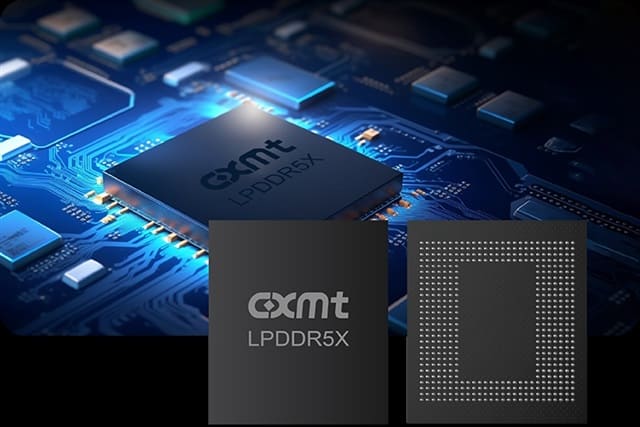
Three of the world's largest PC manufacturers have begun integrating memory chips from ChangXin Memory Technologies (CXMT), a Chinese DRAM producer, into certain budget laptop models distributed outside the United States. HP, Asus, and Acer are deploying limited volumes of CXMT components as global memory supply constraints force diversification beyond traditional suppliers.
The move represents a pragmatic response to persistent shortages that have squeezed margins and延长ed lead times across the notebook industry. While volumes remain small and confined to lower-tier product lines, the adoption signals growing acceptance of Chinese semiconductor suppliers among Tier-1 PC brands seeking cost relief and supply security.
Market Context and Timing
Global DRAM prices have climbed steadily through 2025 and into early 2026, driven by capacity constraints at incumbent suppliers Samsung, SK hynix, and Micron. Server and mobile segments have absorbed most available high-performance memory, leaving PC makers competing for allocation. Contract prices for DDR4 modules, the standard for budget notebooks, rose approximately 18 percent year-on-year in Q2 2026, compressing already thin margins on entry-level systems.
CXMT, based in Hefei, has ramped production of DDR4 and early-generation DDR5 chips over the past 18 months. The company operates 12-inch wafer fabs with capacity estimated near 50,000 wafers per month, modest by industry standards but sufficient to supply niche segments. Quality and yield improvements have brought CXMT components closer to parity with established players in performance-insensitive applications.
Geographic and Product Scope
The deployment is carefully scoped. All three PC makers are limiting CXMT memory to models sold in Asia-Pacific, Europe, and Latin America. No units containing CXMT DRAM are being shipped to the United States, reflecting ongoing export control sensitivities and potential regulatory friction. The chips appear in notebooks priced below 500 USD, where performance demands are lower and cost sensitivity is acute.
Industry sources indicate volumes are in the range of several hundred thousand units per quarter across the three brands, a fraction of their combined annual shipments exceeding 100 million units. The strategy mirrors earlier adoption patterns seen with other emerging suppliers: test in low-risk segments, monitor field performance, and scale if quality holds.
Supply Chain Implications
The shift carries weight beyond immediate volume. For CXMT, validation by multinational brands provides a credibility boost that can accelerate penetration into other markets and customer segments. For PC makers, it establishes optionality at a time when memory allocation from incumbent suppliers remains tight and pricing power has shifted back to chipmakers.
Taiwan-based suppliers, historically dominant in memory module assembly, are also involved. Several Taiwanese module makers have begun sourcing CXMT die for integration into DIMMs and SO-DIMMs destined for budget notebooks, creating a hybrid supply chain that blends Chinese silicon with established Taiwanese assembly expertise.
Competitive and Regulatory Watch
The adoption unfolds against a backdrop of tightening semiconductor export controls and heightened scrutiny of Chinese technology supply chains. US restrictions on advanced chipmaking equipment to China, expanded in late 2023 and again in mid-2025, have constrained CXMT's ability to move beyond mature process nodes. The company's current output focuses on 17nm and 19nm DDR4, several generations behind the sub-10nm processes used for high-performance DRAM.
Washington has not imposed direct restrictions on purchasing CXMT memory, but procurement by US government agencies and contractors remains effectively barred under existing supply chain security rules. The geographic firewall maintained by HP, Asus, and Acer reflects awareness of this regulatory landscape.
Meanwhile, traditional memory suppliers are watching closely. Samsung and SK hynix have both announced capacity expansion plans for 2026 and 2027, partly in response to share erosion risks in cost-sensitive segments. Micron, which derives significant revenue from US defense and enterprise customers, has been more vocal about security concerns related to Chinese memory components.
What Comes Next
The test will be durability. If field failure rates and performance metrics hold, expect broader deployment across additional models and potentially higher price tiers outside the US market. If quality issues surface, the experiment will likely remain contained to its current narrow scope.
For now, the adoption is a data point in a longer story: the gradual, segmented integration of Chinese semiconductor suppliers into global technology supply chains, shaped as much by geopolitics and regulation as by cost and capacity.
RELATED STORIES
Huawei Unveils Sub-800-Gram Laptop Running Homegrown Kirin Chip
Cheng Wei-Lun · 3 min

Beijing's AI Bar Offers Free DeepSeek Access as Price Wars Reshape Global Market
Cheng Wei-Lun · 3 min

ByteDance Founder Rules Out AI Distillation Amid US Scrutiny
Cheng Wei-Lun · 4 min

Asia's Memory Makers Shift Focus as DRAM Margins Challenge HBM Dominance
Cheng Wei-Lun · 4 min
Spot something wrong? Email editor@briefasia.com. We log every correction publicly.