Real Estate · Hotels
Pavilion REIT Posts 13% Jump in Second-Quarter Profit on Hotel Expansion
The Malaysian trust's net profit climbed to RM89.03 million as newly acquired hospitality assets offset a dip in flagship mall revenue amid renovations.
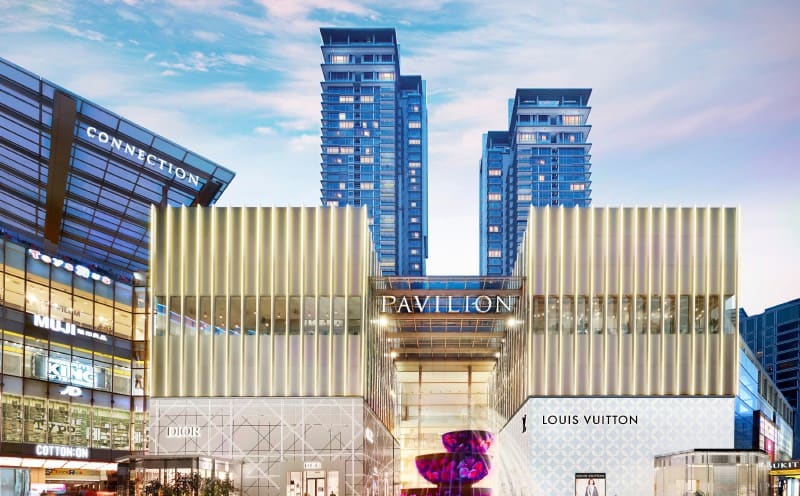
KEY TAKEAWAYS
- ·Pavilion REIT recorded RM89.03 million net profit in Q2 2026, a 13 percent increase from RM78.66 million a year earlier, with revenue rising four percent to RM221.01 million.
- ·Two hotels acquired in June 2025, Banyan Tree Kuala Lumpur and Pavilion Hotel Kuala Lumpur, contributed the majority of rental income growth, offsetting a slight decline at Pavilion Kuala Lumpur Mall.
- ·The trust declared an interim distribution of 5.17 sen per unit and plans experiential retail programming tied to Visit Malaysia Year 2026 to sustain foot traffic and occupancy.
Hotels Drive Growth Amid Mall Reconfiguration
Pavilion Real Estate Investment Trust delivered a net profit of RM89.03 million for the quarter ended June 30, 2026, marking a 13 percent increase from RM78.66 million in the same period a year earlier. Revenue expanded four percent to RM221.01 million, according to the trust's filing with Bursa Malaysia.
The uptick came largely from rental income generated by Banyan Tree Kuala Lumpur and Pavilion Hotel Kuala Lumpur, both of which the REIT acquired on June 20, 2025. Pavilion Bukit Jalil maintained stable occupancy levels, further supporting the top line. Meanwhile, rental income from Pavilion Kuala Lumpur Mall slipped slightly as the trust carries out a reconfiguration of retail space on Level 3.
First-Half Performance Accelerates
For the six months through June 30, 2026, Pavilion REIT posted a net profit of RM194.84 million, up from RM169.08 million in the prior-year period. Revenue climbed six percent to RM466.91 million, compared with RM441.51 million a year earlier. The two hotels acquired in mid-2025 accounted for the bulk of the gain, complemented by steady performance at Pavilion Bukit Jalil.
The board declared an interim distribution of 5.17 sen per unit for the financial year ending December 31, 2026. The payout comprises 4.97 sen of taxable income and 0.20 sen of non-taxable income, providing unitholders with a modest return as the trust integrates its hospitality portfolio.
Experiential Retail and Cost Discipline
Pavilion REIT outlined plans to sustain shopper engagement through a pipeline of experiential and cultural programming, aligning its calendar with Visit Malaysia Year 2026. The trust expects the campaign to lift foot traffic across its retail properties, offsetting any near-term drag from the ongoing mall reconfiguration.
Management emphasized continued vigilance on operating costs, particularly those tied to property upkeep and capital improvements. With two hotels now in the portfolio, the trust faces a broader set of maintenance and service requirements than it did when anchored solely by retail and office assets.
Malaysia's REIT Landscape
The result underscores a broader trend among Malaysian REITs: diversification into hospitality to smooth income streams and capture recovery in tourism. Pavilion's move into hotels came as borders reopened and corporate travel rebounded, though the sector remains sensitive to economic cycles and shifts in consumer spending.
Retail landlords in Kuala Lumpur have grappled with a bifurcated market. Flagship malls in prime locations continue to draw crowds, while secondary properties struggle with vacancies and downward pressure on rents. Pavilion Kuala Lumpur Mall sits in the city's Golden Triangle, a district that has historically commanded premium rates and attracted international brands.
The Level 3 reconfiguration at Pavilion Kuala Lumpur Mall reflects a recalibration of tenant mix and layout, a common strategy as landlords respond to changing consumer preferences and the rise of experiential retail. The short-term revenue dip signals both the cost of disruption and the trust's willingness to invest in long-term positioning.
Outlook and Execution Risk
Pavilion REIT's near-term performance hinges on three variables: the pace at which the mall reconfiguration concludes and tenants take up the refreshed space, the trajectory of hotel occupancy and average daily rates as Visit Malaysia Year 2026 unfolds, and the trust's ability to manage operating expenses without compromising service quality.
The interim distribution of 5.17 sen per unit translates to an annualized yield that will depend on unit price movements and the trust's ability to sustain distributions in the second half. Investors will watch whether the hospitality assets deliver steady cash flow or introduce volatility tied to seasonal demand and macroeconomic headwinds.
With inflation moderating in Malaysia and Bank Negara signaling a steady monetary stance, REITs face a relatively stable interest-rate environment. That backdrop supports asset values and keeps financing costs predictable, though any uptick in borrowing costs would squeeze margins for trusts carrying significant debt.
Pavilion REIT's expansion into hotels represents a calculated bet on Malaysia's tourism recovery and the resilience of Kuala Lumpur's hospitality market. Execution over the next two quarters will reveal whether the trust can convert higher revenue into sustained distribution growth and maintain occupancy across a more complex portfolio.
RELATED STORIES
Mah Sing Acquires 14-Acre Ampang Site for $1.92 Billion Residential Play
Priyanka V. Rao · 3 min
Malaysia's KLCI Index to Add 20 Stocks in Phased Expansion
Jun-ho Seo · 2 min

Southeast Asian Firms Overlook Digital Pact Worth USD 2 Trillion
Lim Hui Ying · 4 min

Malaysian Ringgit Gains Ground as Markets Anticipate Fed and BOJ Rate Moves
Tran Quoc Bao · 2 min
Spot something wrong? Email editor@briefasia.com. We log every correction publicly.