Asia · Business
Orion-Led Consortium Targets $20 Billion in Southeast Asian Mining Deals
US private equity firm pursues critical minerals across the region as governments race to secure supply chains for energy transition
KEY TAKEAWAYS
- ·A consortium led by Orion Resource Partners and backed by US and Abu Dhabi investors plans to deploy over $20 billion into Southeast Asian critical mineral projects.
- ·Indonesia is the primary focus, with discussions underway with sovereign wealth fund Danantara to finance nickel, copper, and battery metal ventures.
- ·The move reflects intensifying competition for supply chains as Western governments seek alternatives to Chinese-dominated refining networks.
A New Force in Regional Mining
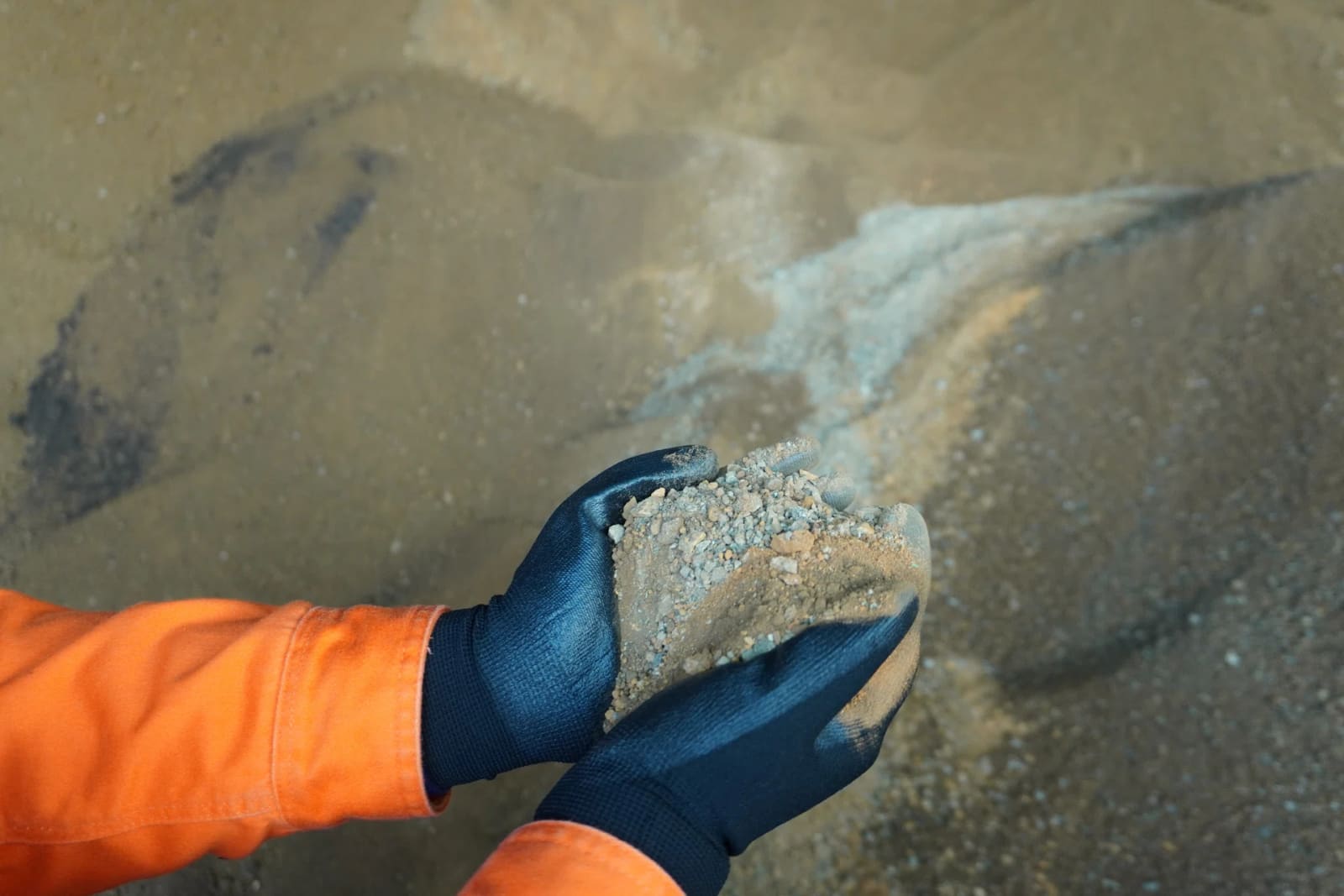
A consortium anchored by New York private equity firm Orion Resource Partners is preparing to deploy more than $20 billion into mining ventures across Southeast Asia, marking one of the largest capital commitments to the region's resource sector in recent years. The Orion Critical Mineral Consortium counts the US International Development Finance Corp and Abu Dhabi sovereign wealth fund ADQ among its backers, positioning the group at the intersection of Western strategic interests and Gulf capital.
Oskar Lewnowski, founder and group CEO of Orion, confirmed that the consortium has entered discussions with multiple government entities in the region, including Danantara, Indonesia's sovereign wealth fund. The talks center on financing large-scale extraction and processing projects for metals essential to batteries, electric vehicles, and renewable energy infrastructure.
Why Southeast Asia
The region has emerged as a focal point for global competition over critical minerals. Indonesia holds the world's largest nickel reserves and has aggressively moved to capture more value by banning raw ore exports and mandating domestic processing. The Philippines ranks among the top nickel producers globally, while Myanmar and Laos host significant rare earth and copper deposits.
Demand for these materials is accelerating. Electric vehicle production is expected to triple by 2030, and grid-scale battery storage is expanding in tandem with solar and wind capacity additions. Western governments, particularly the United States, have identified mineral supply chains as a national security priority following years of dependence on Chinese refining and processing networks.
The involvement of the US International Development Finance Corp signals Washington's intent to build alternative supply routes. The agency has increased its focus on critical minerals financing since 2023, offering political risk insurance and co-investment structures to attract private capital into geographies where Chinese state-owned enterprises have historically dominated.
Indonesia at the Center
Indonesia represents the consortium's most immediate opportunity. The country produced over 1.6 million metric tons of nickel in 2025, accounting for roughly half of global output. Yet most of that volume is processed by Chinese-funded smelters, leaving Jakarta with limited downstream revenue and exposing buyers to concentrated supply risk.
Danantara, established in 2024 to consolidate state assets and attract foreign investment, has been tasked with identifying joint venture partners for resource projects. The fund's mandate includes upgrading infrastructure around mining hubs in Sulawesi and Kalimantan, areas where logistics bottlenecks have constrained output despite abundant reserves.
Lewnowski's group is well positioned to engage. Orion has a track record in complex jurisdictions, having previously financed copper projects in Mongolia and lithium ventures in Argentina. The firm typically structures deals with offtake agreements pre-arranged, reducing price risk and providing cash flow visibility that appeals to institutional co-investors.
Competing for Access
The consortium enters a crowded field. Chinese companies have spent more than $30 billion in Indonesian nickel alone since 2018, building integrated supply chains from mine to battery precursor. South Korean conglomerates, including LG and SK, have also committed billions to secure feedstock for their battery manufacturing operations.
What differentiates the Orion group is its financial engineering. By combining development finance, sovereign wealth capital, and private equity, the consortium can offer host governments a package that includes technology transfer, environmental standards alignment, and political cover. For countries wary of over-reliance on Beijing, the structure provides optionality.
The Philippines, Vietnam, and Thailand are also on the consortium's radar. Manila has signaled interest in reviving dormant copper and gold projects, while Hanoi is exploring rare earth development in its northern provinces. Thailand, though less resource-rich, offers processing infrastructure and a stable regulatory environment that could support regional refining hubs.
Execution Risks
Deploying $20 billion will take years and face significant obstacles. Permitting timelines in Southeast Asia are unpredictable, community opposition to mining remains strong in many areas, and infrastructure deficits add cost and complexity. Political risk is non-trivial, particularly in countries where mining licenses have historically been subject to renegotiation after elections.
Environmental scrutiny is intensifying as well. Nickel extraction in Indonesia has been linked to deforestation and water contamination, drawing criticism from NGOs and European regulators considering supply chain due diligence rules. Any consortium involving US government financing will face pressure to meet higher environmental and social governance standards, which could slow project timelines and increase capital requirements.
Still, the fundamentals support the bet. Critical mineral prices have remained elevated despite recent volatility, and long-term demand projections continue to rise. For Southeast Asian governments, the opportunity to capture more value from their resource endowments while diversifying their investor base is compelling. For Orion and its partners, the region offers one of the few remaining frontiers where scale and speed can still generate outsized returns.
RELATED STORIES
Bayan Resources Halts Coal Deliveries After Indonesia Quota Dispute
Lim Hui Ying · 3 min

Five ASEAN Members Back Regional Oil Stockpile as Study Nears Completion
Tran Quoc Bao · 3 min

Indonesian Digital Banks Outpace Regional Peers on Deposits and Loan Growth
Priyanka V. Rao · 3 min

Southeast Asian Firms Overlook Digital Pact Worth USD 2 Trillion
Lim Hui Ying · 4 min
Spot something wrong? Email editor@briefasia.com. We log every correction publicly.