Asia · Business
Nissan Holds Firm on Full-Year Outlook as Turnaround Takes Shape
The Japanese automaker's latest quarterly results signal progress in CEO Ivan Espinosa's campaign to reverse years of declining sales and internal upheaval
KEY TAKEAWAYS
- ·Nissan maintained its full-year outlook following quarterly results that signal early progress in CEO Ivan Espinosa's stabilization effort after years of falling sales and management disruption.
- ·The automaker is adjusting production capacity and streamlining costs while accelerating its electric vehicle rollout in a crowded and competitive market.
- ·Investor sentiment remains cautious as markets await evidence that revenue stabilization can translate into sustained profitability and margin growth.
Stabilization After Years of Decline
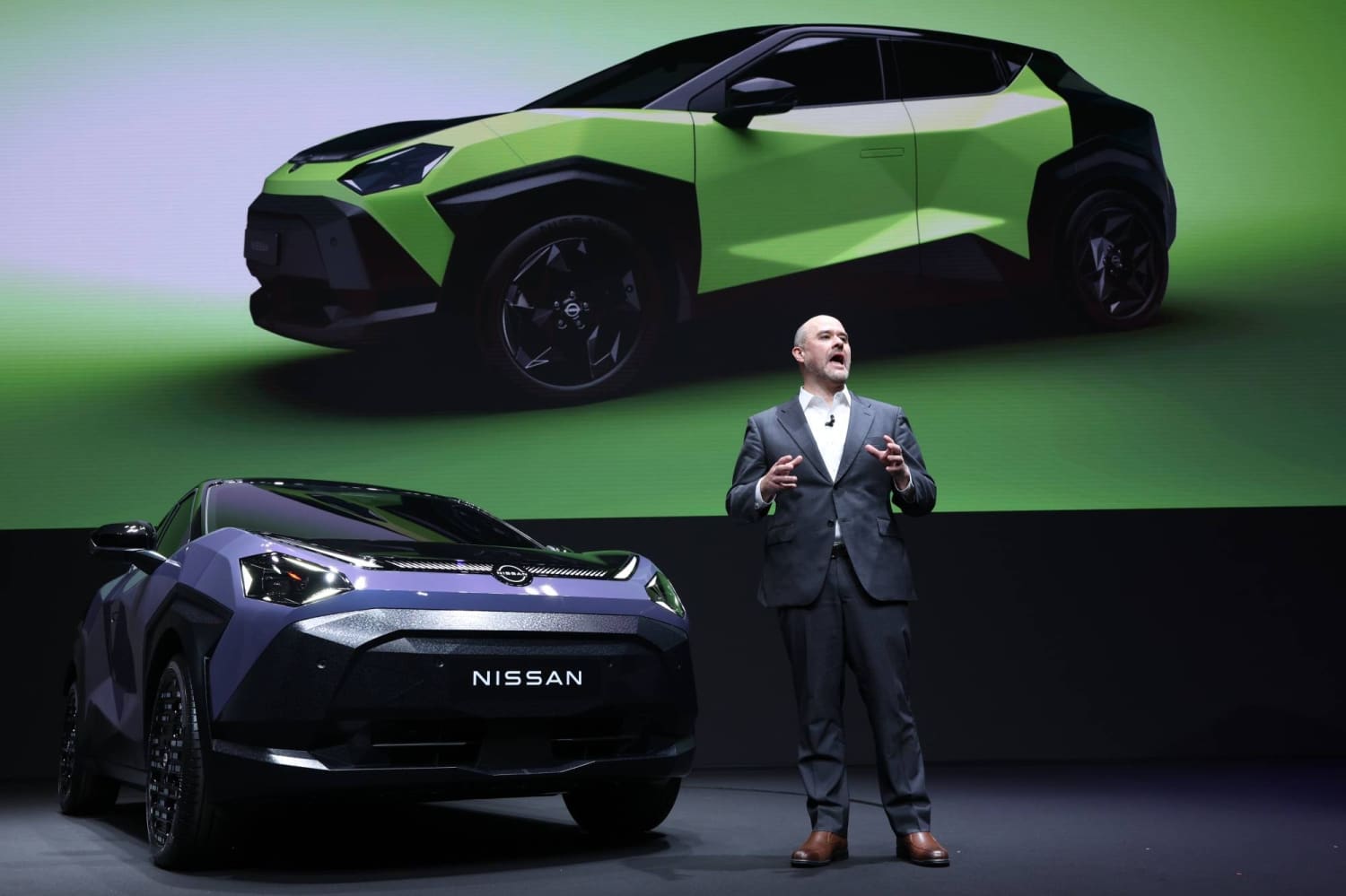
Nissan Motor kept its full-year outlook unchanged following quarterly earnings that point to early stabilization under CEO Ivan Espinosa. The results arrive as the Yokohama-based automaker works to rebuild momentum after an extended period marked by falling sales volumes and management disruption.
Espinosa, who took the helm with a mandate to restore operational health, has prioritized cost discipline and product focus over aggressive expansion. The approach reflects a strategic shift for a company that spent much of the past half-decade navigating leadership scandals and market share erosion across key regions.
Regional Performance and Production Adjustments
The quarter showed mixed regional dynamics. Nissan's domestic Japan sales faced headwinds from a sluggish consumer environment, while its North American operations continued to grapple with intense competition in the SUV and electric vehicle segments. China, once a cornerstone market for the automaker, remains challenging as local brands capture greater share with competitively priced electric models.
To align production with demand, Nissan has been adjusting output at several plants. The company reduced shifts at facilities in North America earlier this year and has signaled further capacity reviews are underway. These moves form part of a broader efficiency drive aimed at reducing fixed costs and improving factory utilization rates.
Product Strategy and Electric Push
Espinosa has emphasized a leaner product lineup, focusing resources on models with stronger profit margins rather than chasing volume across every segment. The strategy includes accelerating the rollout of electric vehicles, though Nissan enters a market already crowded with established players and well-funded newcomers.
The company's electric platform investments are central to its long-term plan, but near-term results hinge on the performance of refreshed internal combustion models and hybrid variants. Analysts note that Nissan's ability to balance legacy product profitability with the capital demands of electrification will determine whether the turnaround gains durability.
Cost Structure and Margin Pressure
Operating margins remain under pressure as raw material costs and currency fluctuations weigh on profitability. Nissan has implemented headcount reductions and streamlined its supplier base to offset these pressures, but the benefits are materializing gradually.
The company's fixed cost base, built during an era of higher production volumes, remains elevated relative to current output. Management has indicated that further structural adjustments may be necessary if market conditions do not improve, though no specific targets have been disclosed.
Alliance Dynamics and Strategic Positioning
Nissan's relationship with alliance partners Renault and Mitsubishi continues to evolve. The partnership has delivered procurement savings and shared platform development, but coordination challenges persist. Espinosa has worked to clarify governance structures and reduce friction points that previously hampered joint initiatives.
The alliance's strategic value lies in its ability to pool resources for electric vehicle and autonomous technology development, areas where individual scale is increasingly difficult to sustain. How effectively Nissan leverages these shared capabilities will influence its competitive positioning in the next phase of industry transformation.
Investor Sentiment and Path Forward
Equity markets have responded cautiously to Nissan's turnaround narrative. The stock has traded in a narrow range over the past year, reflecting investor uncertainty about the pace of recovery and the sustainability of margin improvements. Analysts are watching for signs that revenue stabilization can translate into sustained profitability growth.
Nissan's decision to maintain its full-year forecast suggests management confidence in the trajectory, though external risks remain. Global economic uncertainty, potential trade policy shifts, and the pace of consumer adoption of electric vehicles all pose variables that could alter the outlook.
The company faces a delicate balancing act: cutting costs to restore profitability while investing enough in new products and technology to remain competitive. Whether Espinosa can execute this dual mandate will determine if the current quarter's results mark the start of a sustained recovery or a temporary reprieve in a longer struggle.
RELATED STORIES

Japan's August Exports Rise 19.3% on Semiconductor Demand
Aiko Nakamura · 3 min

Berkshire Hathaway Eyes Larger Stakes in Japan's Top Trading Houses
Cheng Wei-Lun · 3 min
China Imposes Anti-Dumping Measures on Japanese Semiconductor Chemical Imports
Jun-ho Seo · 3 min

Fujitsu to Exit Commodity Hardware as AI Shifts Production Strategy
Aiko Nakamura · 4 min
Spot something wrong? Email editor@briefasia.com. We log every correction publicly.