Asia · Business
Nike Ends Distribution Partnerships in China to Strengthen Direct Retail Control
The sportswear giant is cutting ties with Chinese distributors as it shifts toward company-owned stores and upgraded partner locations across the mainland.
KEY TAKEAWAYS
- ·Nike is ending distribution agreements with Chinese partners and will invest in its network of more than 200 directly operated stores across the mainland.
- ·The shift tightens control over store experience and inventory as Nike faces rising competition from domestic brands like Anta and Li-Ning in lower-tier cities.
- ·Success depends on whether owned stores and upgraded partner locations can offset lost distributor reach, with digital channels playing a critical role.
A Retail Reset in the World's Largest Sportswear Market
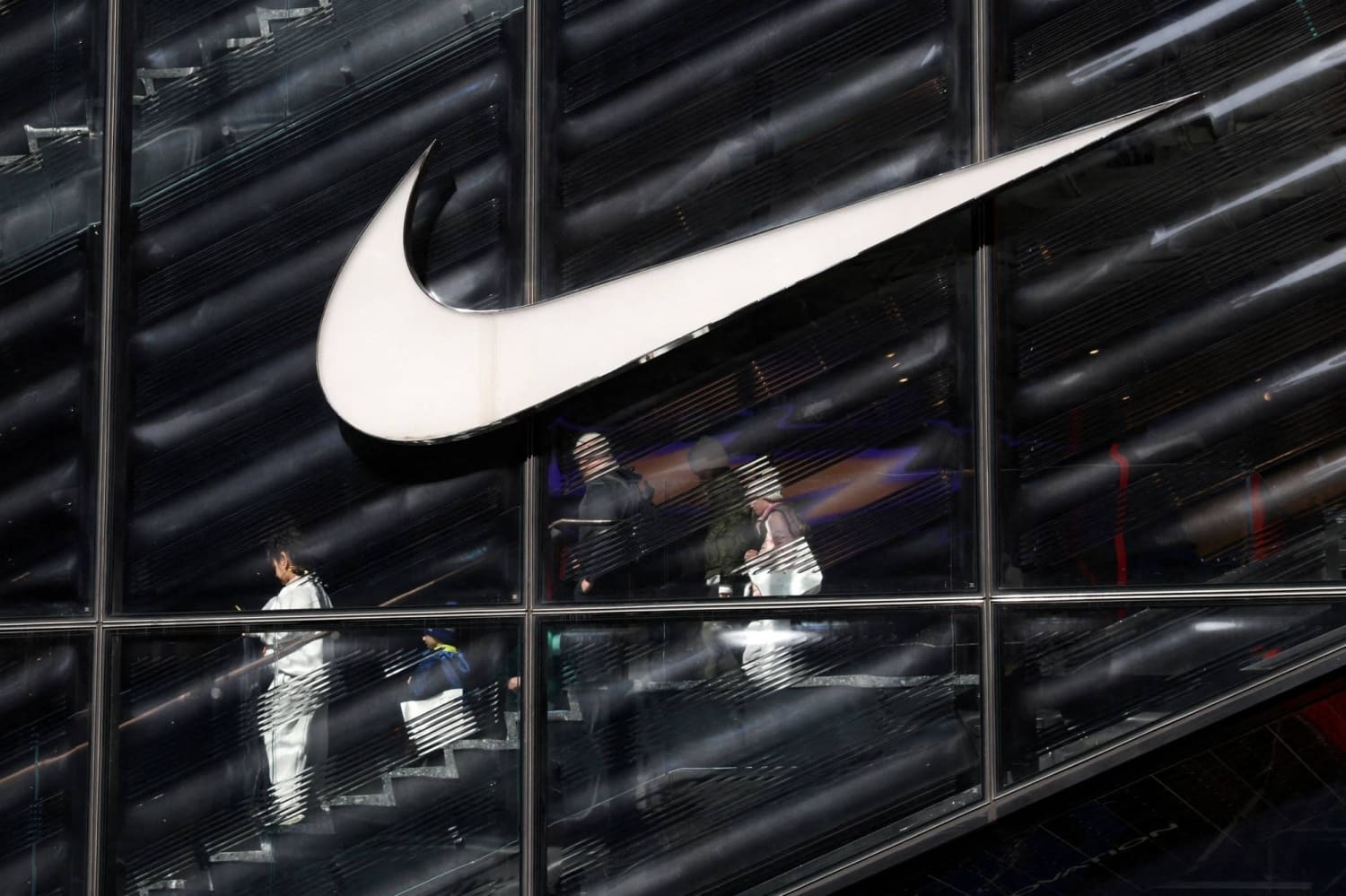
Nike is severing distribution agreements with several Chinese partners, marking a decisive turn in its retail strategy for the mainland. The move consolidates control over how the brand reaches consumers in a market where competition has intensified and local rivals have gained ground.
The company plans to channel investment into its network of more than 200 directly operated stores across China, according to Nike. At the same time, it will collaborate with select partners to upgrade remaining physical retail locations rather than maintain the broader distributor relationships that have long underpinned its presence in the region.
The shift reflects a broader rethinking of retail footprint in China, where international sportswear brands face pressure from domestic players such as Anta, Li-Ning, and Fila, which have expanded rapidly in lower-tier cities. Nike's decision to pull back from third-party distributors suggests the company believes tighter control over store experience and inventory will help it defend market share.
Why the Distribution Model Is Being Dismantled
For years, Nike relied on a hybrid approach in China: company-owned flagship stores in major cities, combined with a network of distributors who managed retail in secondary and tertiary markets. This model enabled rapid geographic expansion but also introduced inconsistencies in merchandising, pricing, and customer experience.
The distributor model has come under strain as e-commerce and direct-to-consumer channels have grown. Nike's digital sales in China have climbed steadily, and the company has invested heavily in its own apps and online platforms. By cutting distributor agreements, Nike can align its physical retail more closely with its digital strategy, using stores as fulfillment hubs and brand showcases rather than simply points of sale.
The timing also reflects a period of recalibration for Western brands in China. Geopolitical tensions, shifting consumer sentiment, and the rise of domestic alternatives have forced companies to reassess their go-to-market strategies. For Nike, that means betting on fewer, better-controlled retail environments rather than broad distribution reach.
What Comes Next for Nike's China Footprint
Nike's investment will focus on enhancing the experience in its directly operated stores, which are concentrated in tier-one and tier-two cities. The company is also working with a smaller group of partners to upgrade select physical locations, though details on which partners remain and what those upgrades entail have not been disclosed.
The strategy carries risk. Reducing distributor relationships may narrow Nike's reach in smaller cities, where local partners have deeper market knowledge and established customer bases. If domestic brands continue to expand in those markets, Nike could find itself ceding ground in regions that represent significant growth potential.
At the same time, the shift aligns with a broader industry trend. Adidas, Puma, and other global sportswear brands have all moved to tighten control over their China operations in recent years, prioritizing brand consistency and margin control over sheer distribution scale.
For Nike, success will depend on whether its owned stores and upgraded partner locations can generate enough traffic and sales to offset the loss of distributor-managed retail. The company's digital channels will play a critical role in that equation, serving as both a sales driver and a tool for customer engagement.
China remains one of Nike's largest markets, and the outcome of this retail reset will shape its competitive position in Asia for years to come. The decision to sever distributor ties signals confidence in a direct-control model, but execution will determine whether that confidence is justified.
RELATED STORIES
China's Manufacturing Index Holds Below Expansion Threshold for Second Month
Cheng Wei-Lun · 5 min
Honda Demands 30% Price Cuts From Suppliers in $9.4 Billion Cost Plan
Cheng Wei-Lun · 3 min
Beijing Warns Domestic EV Makers Against Overseas Price Wars
Cheng Wei-Lun · 3 min
Shein Stumbles in Hong Kong Debut After Years of IPO Delays
Cheng Wei-Lun · 3 min
Spot something wrong? Email editor@briefasia.com. We log every correction publicly.