Technology · AI
Moonshot AI Targets Public Offering Within Six Months After Model Launch
Chinese artificial intelligence startup showcases Kimi K3 model at Shanghai conference as it prepares for market debut
KEY TAKEAWAYS
- ·Moonshot AI has set a six-month target for its initial public offering following the launch of its Kimi K3 large language model at Shanghai's World Artificial Intelligence Conference.
- ·The Beijing-based startup enters a competitive landscape where Chinese AI companies navigate tight regulatory oversight on data security and cross-border information flows before accessing capital markets.
- ·Investor appetite for Chinese AI infrastructure remains strong despite market volatility, with venture capital firms deploying billions into domestic language model developers over the past two years.
IPO Timeline Announced
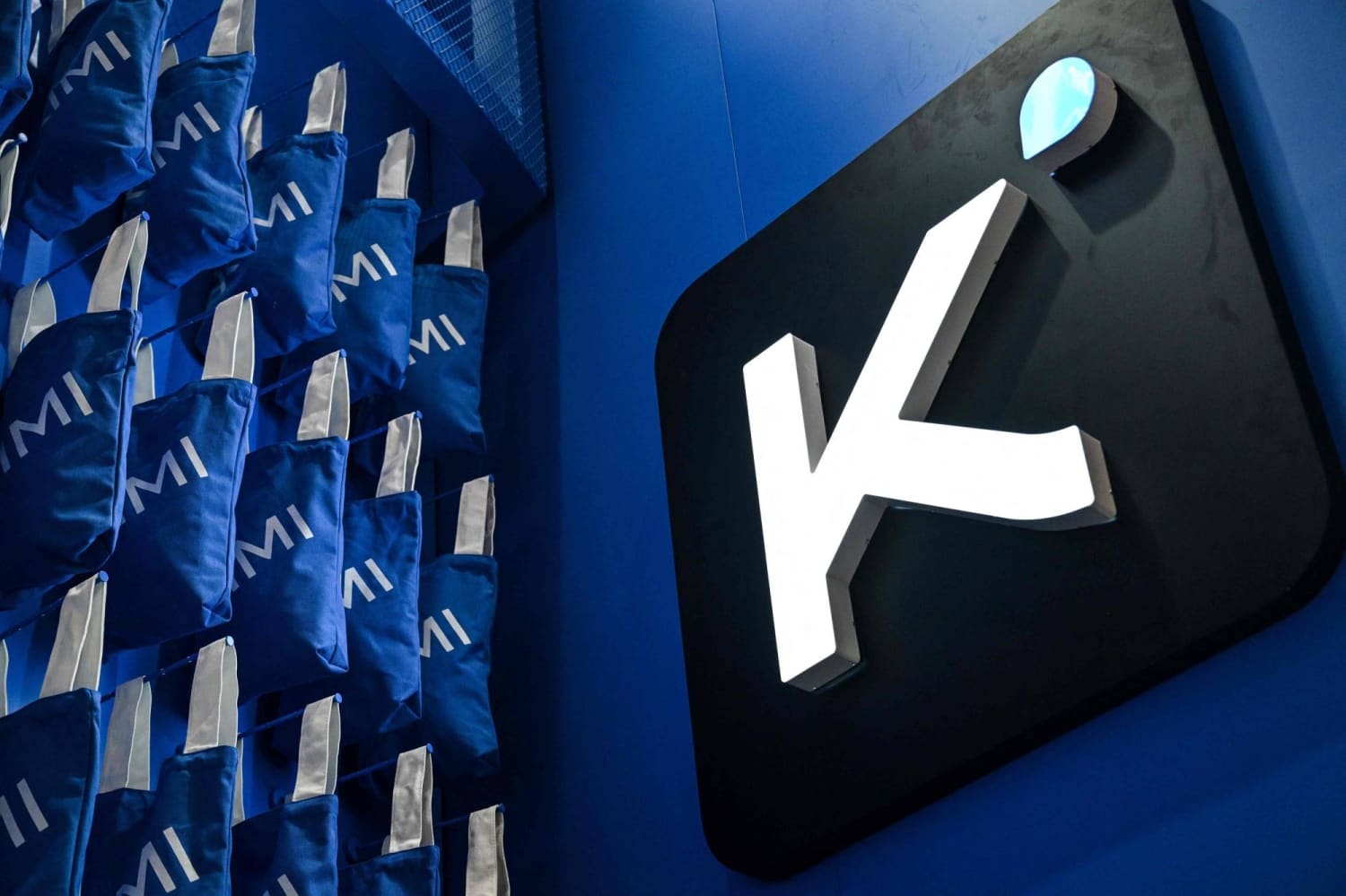
Moonshot AI has set a six-month target for its initial public offering, marking a significant acceleration in the Beijing-based startup's growth trajectory. The company demonstrated its latest Kimi K3 large language model at the World Artificial Intelligence Conference in Shanghai this weekend, signaling its readiness to enter public markets.
The timeline positions Moonshot among a wave of Chinese AI companies racing to capitalize on investor appetite for artificial intelligence infrastructure. Founded in 2023, the startup has rapidly expanded its technical capabilities and commercial partnerships over the past three years.
Technical Capabilities on Display
The Kimi K3 model represents Moonshot's entry into the competitive landscape of Chinese large language models, where domestic players have sought to match capabilities offered by U.S. counterparts. The company's exhibition stand at the Shanghai conference drew attention from industry participants and potential institutional investors evaluating the sector.
Moonshot has focused its development efforts on natural language processing and context-window optimization, technical areas that differentiate its offering in a crowded market. The company's flagship Kimi assistant application has gained traction among Chinese enterprise users seeking localized AI tools that comply with domestic data regulations.
Market Context for Chinese AI Listings
The planned offering comes as Chinese technology companies navigate a complex regulatory environment for public listings. Beijing has tightened oversight of data security and cross-border information flows, requirements that AI companies must address before accessing capital markets.
Moonshot's six-month timeline suggests the company has made progress on regulatory approvals and financial disclosures required for a domestic listing. The startup has not disclosed whether it will pursue a Shanghai STAR Market listing, a Hong Kong offering, or a dual-track approach.
Investor interest in Chinese AI infrastructure remains robust despite broader market volatility. Venture capital firms have poured billions of dollars into domestic language model developers over the past two years, betting that China's vast user base and regulatory barriers will protect local champions from foreign competition.
Competitive Landscape
Moonshot enters the public-offering pipeline alongside established players and well-funded rivals. Baidu, Alibaba, and Tencent have deployed their own large language models, while startups including Zhipu AI and MiniMax have raised substantial private funding rounds.
The company's ability to articulate a differentiated business model and demonstrate sustainable revenue growth will determine its valuation reception. Early-stage AI companies in China have faced scrutiny over their path to profitability, particularly as computational costs and talent expenses remain elevated.
Asia's AI Investment Cycle
The planned listing reflects broader patterns in Asian technology capital flows. Singapore, Tokyo, and Hong Kong have all seen increased AI-related investment activity as regional governments prioritize digital infrastructure and sovereign capabilities.
China's domestic AI sector benefits from policy support under the country's New Generation Artificial Intelligence Development Plan, which targets leadership in core technologies by 2030. State-backed venture funds and strategic investors have accelerated deployment into companies demonstrating technical progress and commercial traction.
For Moonshot, the next six months will test its ability to convert technical achievements into a compelling equity story. The company must finalize financial audits, complete regulatory filings, and navigate investor roadshows while continuing to ship product updates and retain engineering talent in a competitive hiring environment.
The Shanghai conference appearance serves as an early marketing effort, putting the Kimi brand in front of institutional investors and strategic partners ahead of formal offering documents. Whether Moonshot can execute its ambitious timeline will depend on regulatory processing speeds and market conditions at the time of launch.
RELATED STORIES
Sharpa Secures $668 Million at $3.3 Billion Valuation in Tech Giant-Backed Round
Cheng Wei-Lun · 2 min
Hong Kong Debuts Robot-Run Convenience Store in Commercial Automation Push
Cheng Wei-Lun · 3 min
Private Capital Floods Asia's MedTech Sector as Brain Interfaces and Robotics Draw Investors
Priyanka V. Rao · 4 min
CaoCao Mobility Bets on Autonomous Taxis as Revenue Tops RMB 10 Billion
Cheng Wei-Lun · 3 min
Spot something wrong? Email editor@briefasia.com. We log every correction publicly.