Finance · Markets
MISC Net Profit Jumps 148% as Shipping Rates and Construction Projects Drive Growth
Malaysia's international maritime group posted RM1.15 billion in second-quarter profit, fueled by petroleum shipping demand and offshore engineering progress
KEY TAKEAWAYS
- ·MISC Bhd reported second-quarter net profit of RM1.15 billion, a 148 percent increase from RM464.40 million a year earlier, with revenue rising 76.1 percent to RM4.79 billion.
- ·Petroleum shipping revenue climbed 74.1 percent to RM2.24 billion on higher freight rates, while offshore and heavy engineering segments more than doubled on construction progress.
- ·Management expects tanker rate strength to moderate in the second half of 2026 amid shifting supply-demand dynamics and geopolitical developments.
Profit Surge Reflects Robust Shipping Market
MISC Bhd, Malaysia's state-controlled maritime and offshore energy group, delivered a 148 percent year-on-year increase in net profit for the second quarter ended June 30, 2026, reaching RM1.15 billion compared with RM464.40 million in the same period a year earlier. Revenue climbed 76.1 percent to RM4.79 billion from RM2.72 billion, according to the company's filing with Bursa Malaysia.
The performance underscores the strength of global tanker markets and the ramp-up of offshore construction activity across Asia, even as currency headwinds and capacity adjustments in the liquefied natural gas fleet tempered gains in certain segments.
Petroleum and Products Shipping Lead the Charge
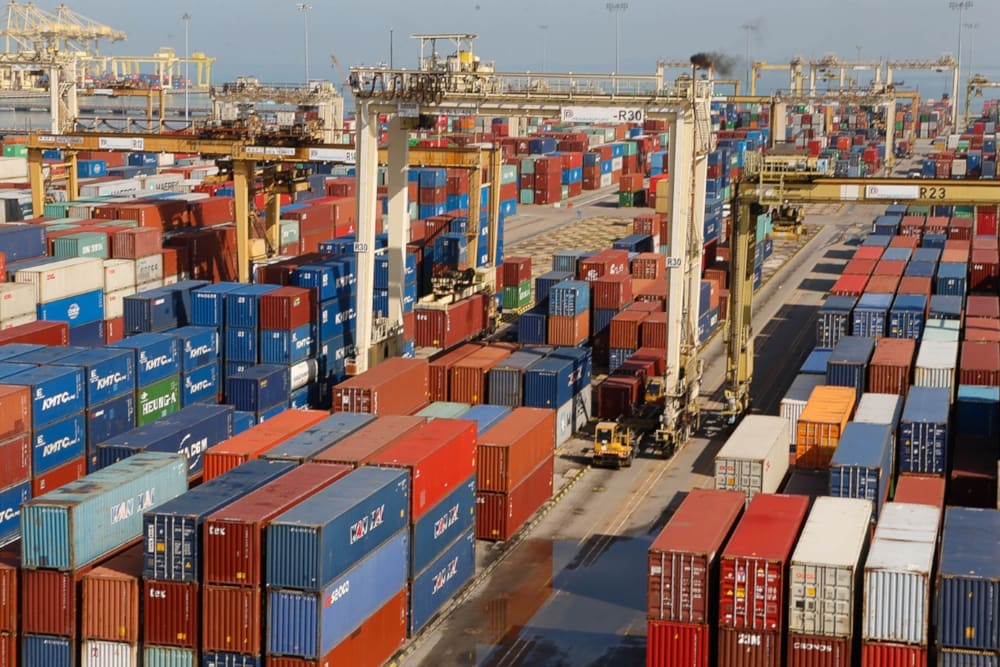
Petroleum and products shipping revenue rose 74.1 percent to RM2.24 billion from RM1.29 billion in the second quarter of 2025, the company reported. Higher freight rates and increased earning days across MISC's tanker fleet were the primary drivers. The company operates one of the world's largest fleets of LNG carriers and petroleum product tankers, positioning it to capture upside when global energy trade intensifies.
However, MISC noted that the stronger ringgit against the US dollar during the quarter partially offset revenue gains, a reminder of the currency exposure inherent in dollar-denominated shipping contracts.
Offshore and Heavy Engineering Segments Accelerate
The offshore business segment recorded revenue of RM1.04 billion in the second quarter, up from RM454.3 million a year earlier. The increase of RM592 million was largely attributable to higher construction revenue recognized during the period, reflecting progress on a floating storage and offloading unit and a floating production unit under development.
Marine and heavy engineering revenue more than doubled to RM984.8 million from RM431.6 million, driven by projects advancing into higher construction phases and the completion of post sail-away work. The segment's performance highlights MISC's diversification beyond shipping into complex offshore infrastructure, a strategy that has become increasingly important as oil and gas operators in Southeast Asia, South America, and Africa seek localized engineering capacity.
Gas Assets Segment Contracts
In contrast, the gas assets and solutions segment saw revenue decline 20.4 percent to RM417.2 million from RM524.4 million. The company attributed the drop to the absence of construction revenue in the quarter, lower earning days resulting from vessel disposals and lay-ups, and softer charter rates. The LNG shipping market has faced capacity oversupply in certain trade lanes, pressuring day rates even as long-term demand for gas remains firm.
MISC also reported a higher operating loss in its corporate segment, which widened by RM39.6 million compared with the second quarter of 2025, due to increased corporate expenses.
First-Half Performance and Management Outlook
For the first half of 2026, MISC posted net profit of RM1.89 billion, up from RM1.17 billion in the same period of 2025. Revenue for the six-month period increased to RM7.68 billion from RM5.53 billion.
In a statement, MISC president and group chief executive Datuk Zahid Osman said the results reflected the group's focus on operational excellence and safe execution. "While tanker rates are firm, the market is influenced by changing supply-demand dynamics and geopolitical developments," he said. "As such, we remain measured in our expectations for 2H 2026, recognizing that the strong contribution from petroleum in the second quarter may moderate from current levels."
Regional Offshore Pipeline Remains Robust
Looking ahead, MISC said its offshore segment is expected to remain resilient, supported by a strong pipeline of floating production storage and offloading contract awards across Asia, South America, and Africa. The company anticipates that demand for offshore infrastructure will continue as national oil companies and international majors advance deepwater and marginal field developments.
The marine and heavy engineering segment, meanwhile, faces a more uncertain outlook. MISC acknowledged that the operating environment is expected to remain dynamic amid geopolitical tensions, economic uncertainties, and shifting investment priorities in the energy sector. The company's ability to secure new fabrication and engineering work will depend on the pace of final investment decisions by project sponsors, many of whom are recalibrating capital allocation in response to volatile oil prices and energy transition pressures.
MISC's second-quarter results illustrate the cyclical nature of maritime and offshore markets, where strong quarters can be followed by moderation as rates normalize and project pipelines ebb and flow. For investors tracking Southeast Asia's energy infrastructure plays, the company's diversified portfolio offers exposure to both seaborne trade and offshore construction, though currency and rate volatility remain persistent risks.
RELATED STORIES

Public Bank Reports 3.7% Profit Growth to RM1.82 Billion in Second Quarter
Priyanka V. Rao · 2 min

Ringgit Gains Ground as Traders Await Fed Chair Warsh's Jackson Hole Address
Priyanka V. Rao · 3 min
Malaysia's Benchmark Index Holds Steady Ahead of Holiday and Earnings Season
Priyanka V. Rao · 3 min

Malaysian Palm Oil Giant KLK Swings to RM1.34 Billion Quarterly Loss
Priyanka V. Rao · 3 min
Spot something wrong? Email editor@briefasia.com. We log every correction publicly.