Asia · Trade
Middle East Crude Premiums Hit Two-Month High Amid Red Sea Attacks
Tanker strikes and Hormuz blockades push Dubai and Oman spot premiums past $12 per barrel, forcing Asian refiners to scramble for Atlantic and Russian barrels.
KEY TAKEAWAYS
- ·Dubai crude premiums doubled to $12.74 per barrel and Oman reached $12.62, the highest since late May, following Red Sea tanker attacks and Strait of Hormuz blockades.
- ·Saudi Aramco is offering additional cargoes from Egypt's Sidi Kerir terminal, with SK Energy chartering a VLCC at $18.5 million to load 2 million barrels for South Korea in August.
- ·Asian refiners are pivoting to Atlantic Basin and Russian crude, with Chinese state refiners buying most September ESPO Blend cargoes and Indian refiners increasing Russian oil purchases.
Supply Disruption Pushes Premiums Higher
Spot premiums for Middle East crude benchmarks reached their highest levels in two months this week, driven by tanker attacks in the Red Sea and renewed disruptions at the Strait of Hormuz. Dubai crude premiums to swaps doubled to $12.74 per barrel on Thursday, while Oman climbed to $12.62, according to market data. Both marks represent the steepest pricing since late May.
The escalation follows strikes on two tankers in the Red Sea by Yemen's Houthi forces, compounding existing bottlenecks at Hormuz that have slowed crude and fuel exports to Asia. Saudi Arabia has begun rerouting some shipments around Africa via the Cape of Good Hope, adding transit time and cost. The Brent-Dubai spread settled at $13.22 per barrel on Thursday, the widest gap since early May.
Energy Aspects noted in a client briefing that premiums are likely to climb further as additional cargoes divert away from the Bab el-Mandeb strait, which links the Red Sea to the Gulf of Aden. The consultancy expects the Brent-Dubai differential to continue narrowing as Middle East barrels become scarcer.
Black Sea Outages Add Pressure
Abu Dhabi's Murban crude saw its premium surge to $19.04 per barrel, the highest since April 7. The spike reflects tight availability of light-sour grades after suspected Ukrainian drone strikes forced Kazakhstan to reduce production and close its main CPC Blend export terminal on the Black Sea. The convergence of disruptions in two key export corridors has left buyers with fewer alternatives.
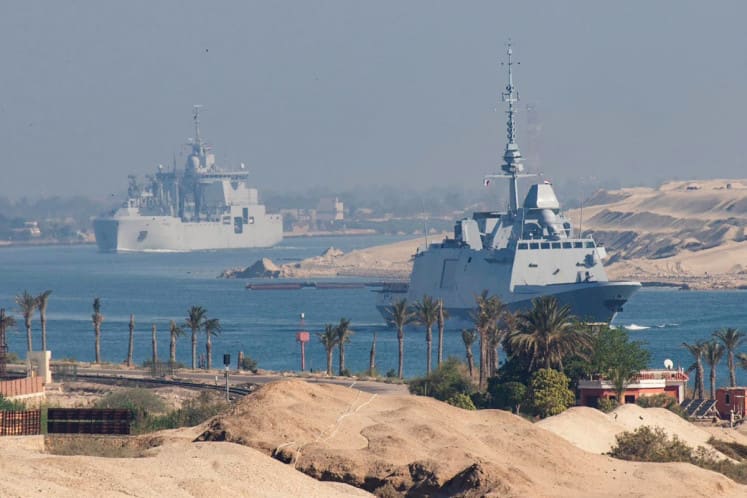
Middle East grades had traded at steep discounts earlier this month during a brief lull in US-Iran tensions. That window closed quickly. The security environment has deteriorated to the point where several tankers that had been heading south through the Red Sea reversed course toward the Suez Canal, even as two Chinese supertankers exited Bab el-Mandeb into the Gulf of Aden on Thursday.
Asian Buyers Turn to Mediterranean and Russia
Saudi Aramco has offered additional crude cargoes for August loading from Sidi Kerir, a Mediterranean terminal in Egypt, according to multiple trading sources. The move signals an effort to redirect supply away from congested routes. SK Energy, South Korea's largest refiner, chartered a very large crude carrier to load 2 million barrels from Sidi Kerir to Ulsan on August 18-20, paying a lump-sum freight rate of $18.5 million, shipping sources said.
Japanese and South Korean refiners are now competing for Atlantic Basin crude, a shift from their usual reliance on Middle East barrels. One refiner-linked trader described the market as frantic, with North Asian buyers entering tenders for cargoes they would typically source closer to home.
Chinese state refiners have absorbed most of the September-loading Russian ESPO Blend crude available from the Pacific port of Kozmino. Indian refiners have also increased purchases of Russian oil, taking advantage of discounted barrels as Western buyers remain constrained by sanctions and freight complications.
Outlook and Market Implications
The combination of geopolitical risk, infrastructure outages, and route diversions has tightened the supply picture for Asian refiners more sharply than any single event this year. The premium structure suggests buyers expect disruptions to persist into August, with no clear resolution to either the Red Sea threat or the Hormuz transit delays.
If Bab el-Mandeb remains unsafe for commercial shipping, the Cape route will become standard for Saudi and UAE exports to Asia, adding roughly two weeks to voyage times and locking up tanker capacity. That structural shift would likely keep Middle East crude premiums elevated and sustain demand for alternative supply from Russia, West Africa, and the Americas.
For now, the market is pricing in continued volatility. Refiners that locked in long-term supply agreements with flexible loading terms are faring better than those dependent on spot purchases. The scramble for Sidi Kerir cargoes and Russian ESPO underscores how quickly the Asia crude trade can pivot when primary supply lanes are compromised.
RELATED STORIES
Southeast Asian Firms Race to Raise Green Debt as Region Falls Behind on Renewables
Priyanka V. Rao · 3 min

CIMB Commits to 55% Dividend Floor as Regional Portfolio Offsets Indonesia Pressure
Priyanka V. Rao · 4 min

Singapore Captures Two-Thirds of Southeast Asian EV Startup Capital
Priyanka V. Rao · 3 min

Singapore Targets High-Value Data Centre Workloads as Neighbors Scale Up Capacity
Cheng Wei-Lun · 3 min
Spot something wrong? Email editor@briefasia.com. We log every correction publicly.