Real Estate · Homes
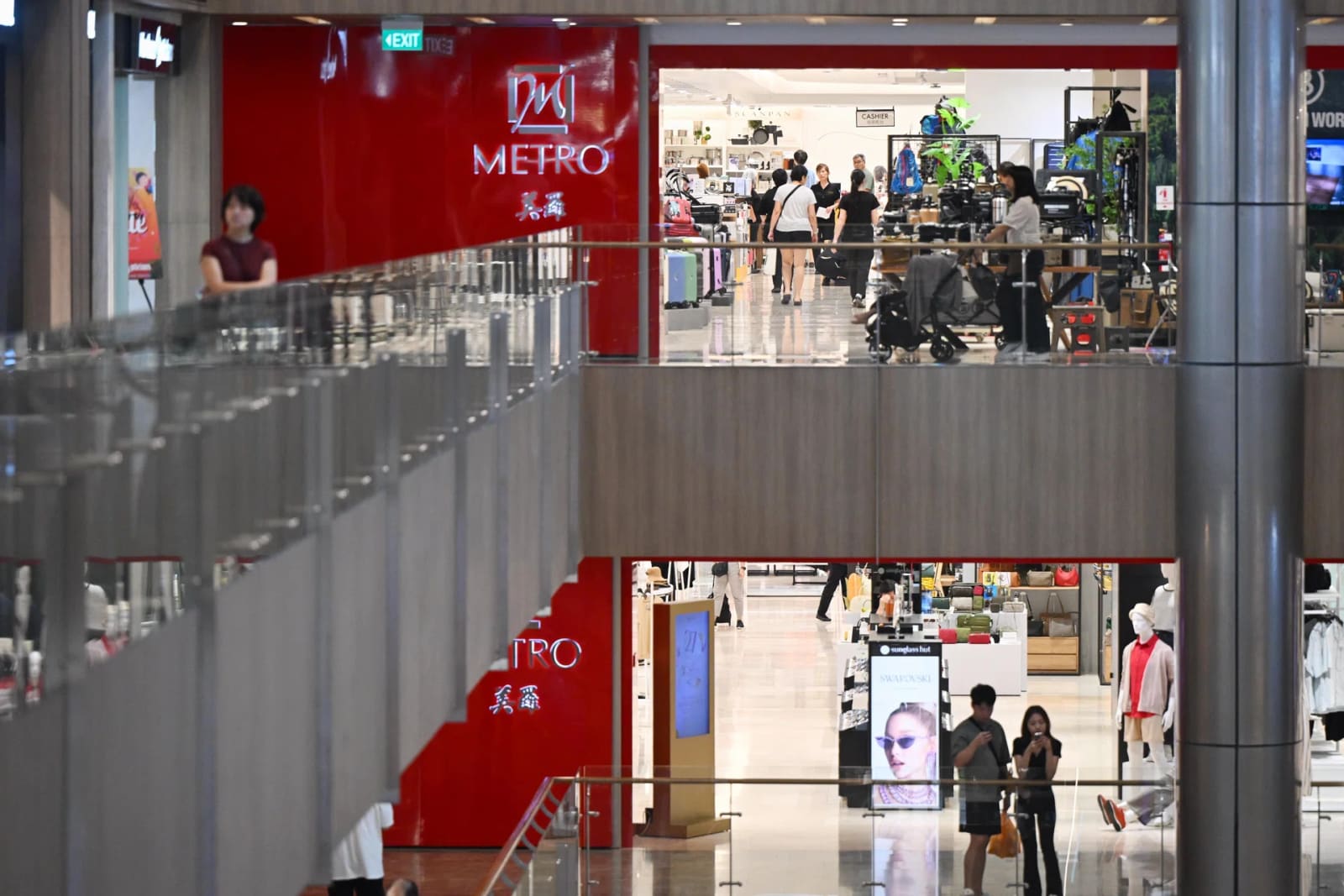
Metro Holdings Shifts Strategy from Retail to Residential Property
Singapore department store operator pivots to condominium development as decades-long retail business faces closure
KEY TAKEAWAYS
- ·Metro Holdings is closing its department store operations in Singapore to focus on residential property development, ending a retail presence that dates back to the 1970s.
- ·The strategic shift reflects economic pressures on traditional retailers and the higher returns available from condominium development in Singapore's land-constrained market.
- ·Metro's exit continues a regional trend of department store consolidation as brick-and-mortar chains struggle against e-commerce competition and changing consumer behavior.
End of an Era for Singapore Retail
Metro Holdings, the mainboard-listed operator behind one of Singapore's most recognizable department store chains, is closing its retail operations after serving generations of shoppers since the 1970s. The company is redirecting its business model toward residential property development, marking a significant strategic pivot for the decades-old brand.
The department store chain built its reputation as a family shopping destination, particularly during festive seasons when Singaporeans flocked to its outlets for Chinese New Year clothing, Christmas toys, and gifts for special occasions. For many households, Metro became synonymous with milestone purchases and holiday traditions.
Retail Pressures Mount
The decision to exit retail comes amid prolonged challenges facing traditional department stores across Asia. Competition from e-commerce platforms, changing consumer preferences, and rising operational costs have compressed margins for brick-and-mortar retailers throughout the region.
Metro's shift reflects a broader pattern among Singapore property holders who are reassessing the value of prime retail space. With residential property prices in the city-state maintaining strength despite periodic cooling measures, land use economics increasingly favor residential over retail development.
Property Development Focus
The company's strategic redirection toward condominium construction positions it to capitalize on its existing real estate assets. Singapore's residential market has demonstrated resilience, supported by the city-state's limited land supply, steady population growth from immigration, and demand from both local upgraders and foreign buyers.
Metro Holdings holds property assets in locations that were originally developed for retail use. Converting these sites to residential projects could unlock significantly higher returns per square meter compared to continuing retail operations, particularly in a market where condominium prices have held relatively stable.
Regional Retail Realignment
Metro's exit adds to the ongoing consolidation in Southeast Asian retail. Traditional department stores across the region have struggled to adapt to digital competition and shifting shopping behaviors accelerated by the pandemic. Several regional chains have either downsized footprints, merged with competitors, or explored alternative revenue streams.
The pivot also highlights how companies with dual real estate and retail operations are increasingly choosing to focus on property development. Real estate offers more predictable returns and requires less intensive operational management compared to the rapidly evolving retail sector.
Market Implications
For Singapore's retail landscape, Metro's closure removes another heritage brand from the high street. The company's outlets occupied prominent locations, and their conversion to residential use will reshape neighborhood commercial dynamics in affected areas.
Investors will watch whether Metro can execute the transition successfully. Property development carries its own risks, including construction timelines, regulatory approvals, and market timing for unit launches. However, the company's existing land bank and familiarity with Singapore's property regulations may provide advantages as it scales up residential projects.
The move also raises questions about the future of mid-market department stores in Singapore. With Metro exiting and other chains consolidating, the retail sector is increasingly polarized between luxury brands and value-oriented mass-market operators, leaving fewer options for middle-income shoppers seeking curated merchandise in physical stores.
RELATED STORIES
Frasers Property Wins Shareholder Backing for S$2.1 Billion Hospitality Reshuffle
Lim Hui Ying · 3 min
Singapore Export Growth Hits 46% in August on AI-Driven Electronics Demand
Rajesh K. Iyer · 3 min
China's Beverage Giants Face Profitability Test After Rapid Expansion
Jun-ho Seo · 3 min
Singapore Brokerages Raise STI Targets on Earnings Strength
Jun-ho Seo · 3 min
Spot something wrong? Email editor@briefasia.com. We log every correction publicly.