Technology · AI
Memory Price Surge Threatens to Constrain China's AI Expansion
Industry analysts warn that sustained high prices for DRAM and other memory components may create unintended obstacles for Beijing's artificial intelligence ambitions through 2027.
KEY TAKEAWAYS
- ·Memory component prices will remain elevated through 2026 and into 2027 due to AI and data-center demand outpacing global manufacturing capacity.
- ·A South Korean analyst notes that high memory costs may constrain China's AI deployment, though Washington has not targeted memory pricing as policy.
- ·Meaningful supply relief depends on fabrication capacity additions that will not reach high-volume production until late 2027 at the earliest.
Supply Constraints Drive Prices Higher
Memory component costs are climbing as demand from artificial intelligence infrastructure outpaces manufacturing capacity across the semiconductor industry. The gap between supply and demand shows no signs of closing in the near term, with industry observers pointing to late 2027 as the earliest window for meaningful production increases.
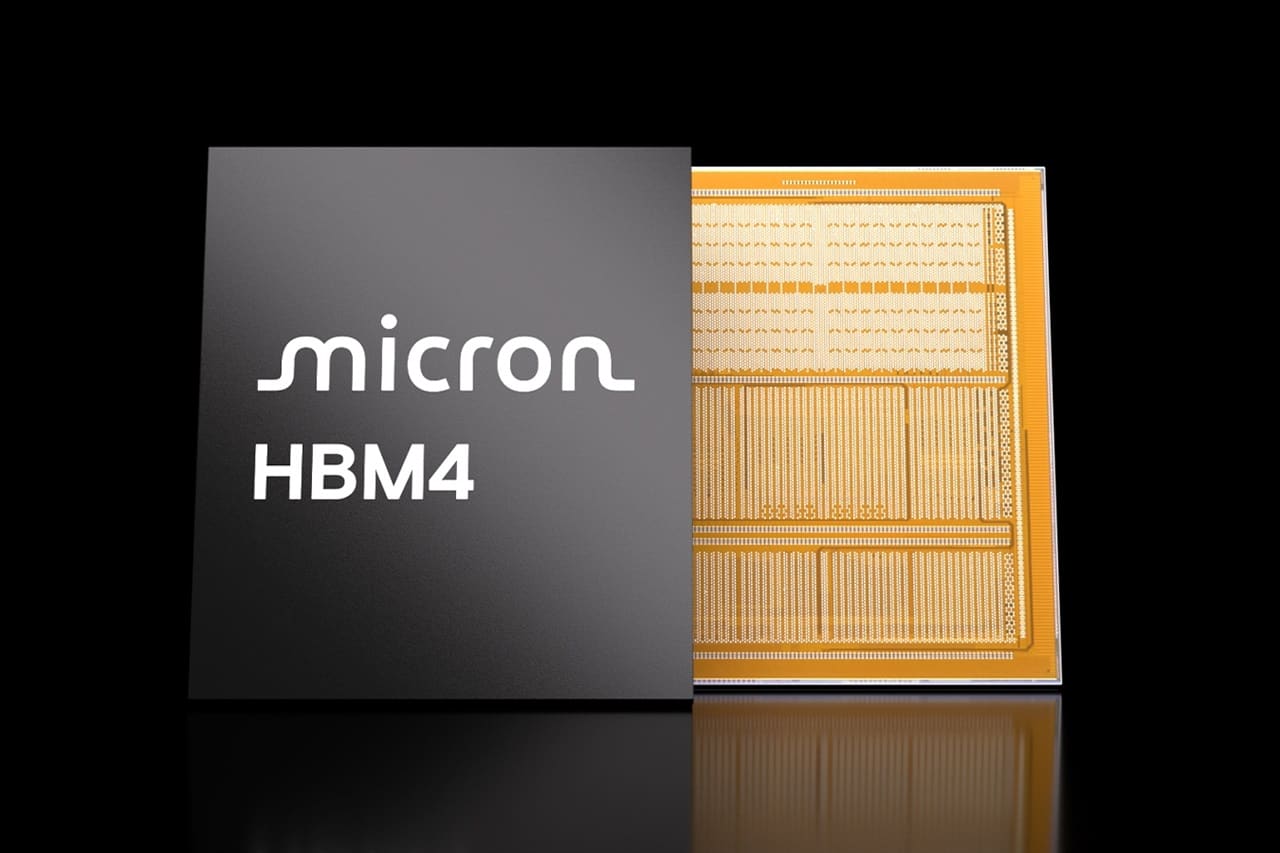
Data centers deploying large language models and machine learning workloads require substantial quantities of high-bandwidth memory, creating competition for limited manufacturing output. This dynamic has pushed prices upward across DRAM and specialized AI memory products, affecting buyers throughout Asia and beyond.
Unintended Pressure on Chinese AI Deployment
A Seoul-based securities analyst has identified the price environment as a potential headwind for China's domestic artificial intelligence initiatives. Companies and research institutions in mainland China seeking to build or expand AI capabilities face the same elevated component costs as their counterparts elsewhere, but with fewer alternative sourcing options due to existing technology restrictions.
The observation highlights how market forces can shape technology adoption patterns even without explicit policy intervention. While the United States has implemented export controls targeting advanced chips and manufacturing equipment, memory pricing has not been part of that framework.
Chinese technology firms have invested heavily in AI development over the past three years, with applications spanning autonomous vehicles, natural language processing, and industrial automation. However, the capital required to procure sufficient memory for training clusters and inference infrastructure has increased substantially since early 2025.
Regional Manufacturing Dynamics
South Korea and Taiwan dominate global memory production, with Samsung Electronics and SK hynix accounting for the majority of DRAM output. Micron Technology in the United States and a handful of smaller manufacturers supply the remainder. None of these producers have announced capacity expansions large enough to significantly alter the supply picture before the second half of 2027.
Chinese semiconductor manufacturers have made progress in older-generation memory technologies, but remain years behind in the high-bandwidth memory variants required for cutting-edge AI workloads. This technological gap means mainland buyers must rely on imports for the most advanced components, exposing them fully to global pricing trends.
Industry analysts note that the current supply tightness differs from previous semiconductor cycles. Earlier shortages often stemmed from sudden demand spikes that manufacturers could address within 12 to 18 months. The current situation reflects sustained structural demand from a new category of computing infrastructure, requiring multi-year investments in fabrication capacity.
Market Outlook and Strategic Implications
Semiconductor equipment manufacturers have reported strong order books for memory production tools, suggesting that capacity additions are underway. However, the timeline from equipment order to high-volume production typically spans two to three years, placing meaningful output increases firmly in the 2027 timeframe or later.
For technology strategists across Asia, the pricing environment creates a window where access to capital becomes as important as access to technology itself. Well-funded organizations can secure memory supplies despite high costs, while smaller players or those with constrained budgets face difficult choices about project scope and timelines.
The situation also underscores the interconnected nature of semiconductor supply chains. Policy measures targeting one segment of the technology stack can have ripple effects, but so too can pure market dynamics. In this case, commercial demand from cloud providers and AI developers worldwide has created cost pressures that affect all participants, regardless of geography or political considerations.
Whether memory prices will be formally incorporated into technology competition strategies remains an open question. For now, the market itself is delivering constraints that policymakers in Washington have not explicitly sought, while simultaneously challenging technology ambitions in Beijing and elsewhere across the region.
RELATED STORIES

LG Pivots to AI-Defined Vehicle Platform as Korea Chases China's Self-Driving Lead
Jun-ho Seo · 3 min
China Targets 84% Share of AR-HUD Production by 2031
Cheng Wei-Lun · 3 min

Li Auto Expands Battery Roster with CALB as Third Supplier
Siti Nuraini · 2 min
Arm Unveils Mobile Compute Platform Targeting China's AI Handset Sector
Tran Quoc Bao · 3 min
Spot something wrong? Email editor@briefasia.com. We log every correction publicly.