Real Estate · Land
Megaworld Deploys $98 Million from REIT Share Sales into Township Expansion
The Filipino property developer is channeling proceeds from block sales into a new wave of office, retail, and hospitality projects across Metro Manila and provincial growth centers.
KEY TAKEAWAYS
- ·Megaworld raised P5.6 billion from MREIT Inc. share sales between April and July 2026, earmarked for township expansion projects across Metro Manila and provincial growth centers.
- ·Wave 5 asset infusion will add 303,500 square meters of GLA to MREIT, shifting the portfolio mix from over 95 percent office to approximately 77 percent office, 20 percent retail, and three percent hotel.
- ·The company targets two million square meters of office GLA and one million square meters of retail GLA by 2030, bringing total leasing portfolio to three million square meters.
Capital Recycling Platform at Work
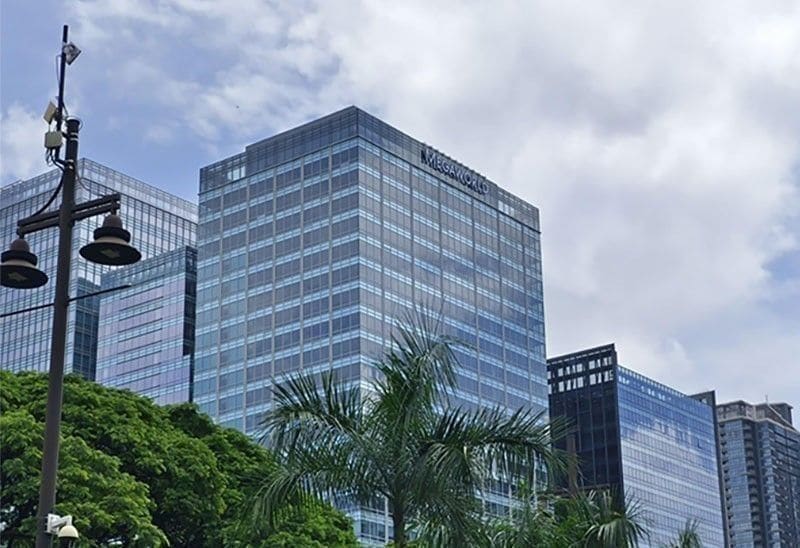
Megaworld Corp. has completed a series of block sales totaling P5.6 billion ($98 million) in shares of its real estate investment trust, MREIT Inc., between April and July 2026. The company announced that all proceeds will be reinvested into the next generation of income-generating developments across its integrated township portfolio.
The transactions form part of Megaworld's preparation for a fifth wave of asset infusions into MREIT. By selling down its stake in mature, stabilized properties already held within the REIT, the developer unlocks capital to build new offices, malls, hotels, and mixed-use components in townships that have yet to reach full buildout.
According to Megaworld, the reinvestment underscores MREIT's role as a capital recycling engine. Rather than accumulating cash on the balance sheet or relying solely on debt, the firm monetizes leased assets that have stabilized and channels those funds into greenfield or expansion-phase projects expected to generate recurring rental income within a few years.
Metro Manila and Provincial Pipeline
In Metro Manila, a portion of the proceeds will flow into ArcoVia City in Pasig, one of Megaworld's newer urban estates. The township sits along the eastern corridor of the capital region, an area that has seen increasing office and residential absorption as multinational and domestic firms seek alternatives to the central business districts of Makati and BGC.
Outside the capital, the company intends to advance developments in provincial growth centers that combine tourism, office, retail, hospitality, and residential layers. Megaworld has historically anchored its regional townships around lifestyle and leisure themes, integrating hotels and convention facilities with commercial leasable space to attract both business process outsourcing tenants and leisure visitors.
President and CEO Lourdes Gutierrez-Alfonso emphasized the holistic design of the company's estates. "Through MREIT, we are able to bring that value cycle forward, allowing capital from stabilized assets to help build the next generation of developments and expand our recurring income platform across our townships," she said.
Wave 5 and Portfolio Diversification
The upcoming fifth wave of infusions into MREIT will add 303,500 square meters of gross leasable area to the trust's portfolio, pushing total GLA beyond 950,000 square meters and within reach of the one-million-square-meter milestone originally targeted for 2027.
More significant than the absolute scale, however, is the shift in asset composition. MREIT has historically leaned heavily on office properties, with more than 95 percent of its portfolio by GLA dedicated to business process outsourcing and corporate tenants. Wave 5 will rebalance that mix to approximately 77 percent office, 20 percent retail, and three percent hotel.
MREIT chairman Kevin Tan described the move as the platform's most substantial diversification to date. "This gives shareholders access to a wider range of recurring income streams generated within Megaworld's integrated estates, where each component strengthens the others to drive long-term value creation," he said.
The diversification reflects both tenant demand and Megaworld's township model, in which office workers, residents, hotel guests, and retail visitors circulate within a single estate, creating cross-traffic that supports higher occupancy and rental rates across asset classes.
Leasing Targets Through 2030
Looking beyond the immediate capital deployment, Megaworld has set a target of two million square meters of office GLA and one million square meters of retail GLA by 2030. That would bring the company's total leasing portfolio to three million square meters, more than double the current footprint held within MREIT.
The ambition signals confidence in sustained demand for Grade A office space in both Metro Manila and regional hubs, even as hybrid work arrangements persist in certain sectors. The retail target also suggests that the company sees opportunity in neighborhood and lifestyle malls anchored within townships, rather than standalone regional centers that compete primarily on scale.
For MREIT unitholders, the shift toward a broader asset base may smooth income volatility. Office leases in the Philippines typically run three to five years with annual escalations, but retail leases can be shorter and more sensitive to consumer spending cycles. Hotel income, meanwhile, fluctuates with occupancy and average daily rates but benefits from tourism recovery and business travel.
Asia's Township REIT Model
Megaworld's strategy echoes patterns seen elsewhere in Asia, where developers use REITs not as passive income vehicles but as active tools for balance-sheet management. In Singapore, CapitaLand and Mapletree have used their REIT platforms to recycle capital from mature assets in the city-state into higher-growth markets across the region. In Japan, sponsor-backed J-REITs regularly acquire properties from parent developers, providing liquidity for new construction.
The Philippines introduced its REIT framework in 2009, but uptake remained slow until regulatory amendments in 2020 lowered minimum public float requirements and streamlined listing processes. Since then, a handful of property firms have listed trusts, with MREIT among the first movers when it debuted in 2021.
By maintaining a pipeline of assets eligible for future infusions, Megaworld can offer MREIT unitholders visible growth while keeping its own development engine funded. The model depends on execution: projects must lease up on schedule, tenants must remain solvent, and valuations must justify the transfer prices at which assets move from parent to REIT.
With Wave 5 on the horizon and P5.6 billion already allocated, the next twelve months will test whether the cycle can turn as smoothly as the company projects.
RELATED STORIES

Jollibee Shifts IPO Plans to Hong Kong After US Listing Target
Cheng Wei-Lun · 3 min
SM Prime Commits $72 Million to Expand Three Philippine Regional Malls
Priyanka V. Rao · 3 min

PhilWeb Trading Halted After P4.2 Billion JKS Tech Bet
Tran Quoc Bao · 3 min

Manila Halts Approvals for Digital Payment Operators Pending Fraud Review
Jun-ho Seo · 4 min
Spot something wrong? Email editor@briefasia.com. We log every correction publicly.