Asia · Business
MBK Partners Faces Questions Over Workforce Changes at Osstem Implant
South Korea's largest dental manufacturer undertakes internal restructuring as private equity owner draws regulatory attention
KEY TAKEAWAYS
- ·MBK Partners is under scrutiny for internal workforce restructuring at Osstem Implant, South Korea's largest dental manufacturer, where employees must find new roles independently.
- ·The approach follows controversy over MBK's Homeplus investment and raises questions about labor protections in private equity-backed firms.
- ·Regulatory attention may lead to stricter oversight of buyout fund workforce practices across Asia as governments balance efficiency with employee stability.
Fresh Pressure on Private Equity Practices
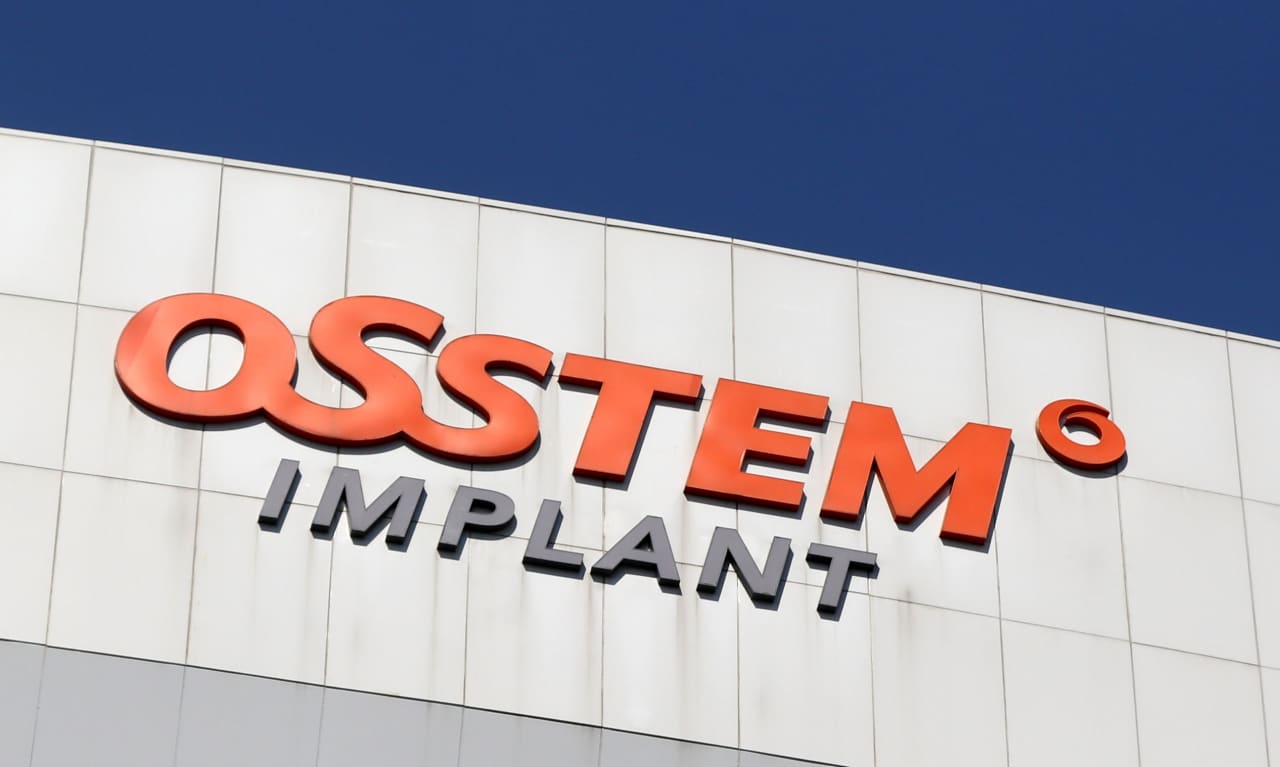
MBK Partners is drawing regulatory attention over workforce changes at Osstem Implant, South Korea's dominant dental implant manufacturer. The scrutiny arrives as the private equity firm navigates fallout from its earlier Homeplus investment, placing its portfolio management practices under a broader spotlight.
Osstem Implant has initiated an internal reorganization that requires certain employees to identify and secure new roles within the company independently. Workers unable to locate suitable positions enter a waiting-for-reassignment category, where they remain until the company designates alternative duties.
The approach marks a departure from traditional Korean corporate restructuring, where human resources departments typically manage internal transfers and role assignments. By shifting the burden of job-hunting to affected employees, the company has triggered questions about labor practices within private equity-backed firms operating in Asia's fourth-largest economy.
Context of the Homeplus Shadow
The timing amplifies sensitivity around MBK's operational decisions. The firm's handling of Homeplus, a major retail chain, generated controversy and regulatory reviews that continue to reverberate through Seoul's business community. Observers note that consecutive portfolio challenges risk damaging MBK's reputation in a market where investor confidence hinges on stable management of high-profile assets.
Osstem Implant holds a commanding position in the dental implant sector, supplying products across Asia and beyond. Any operational disruption carries implications not only for the company's workforce but also for distribution networks spanning multiple countries. The restructuring unfolds as dental implant demand in emerging Asian markets continues to climb, driven by rising incomes and increased awareness of oral health.
Labor Market Implications
South Korean labor law allows companies flexibility in reorganizing workforces, yet the self-directed job-search model employed at Osstem raises questions about employee protections and corporate accountability. Critics argue that placing the onus on workers to find internal roles creates uncertainty and undermines morale, particularly in a company with specialized technical positions.
The dental manufacturing sector requires highly trained engineers, quality assurance specialists, and regulatory affairs professionals. Asking such employees to navigate internal job markets without clear guidance may lead to talent attrition, as specialists opt for competitors offering stable roles rather than endure reassignment limbo.
Private Equity Under the Microscope
MBK Partners, one of Asia's most active buyout firms, manages billions in assets across consumer goods, healthcare, and technology sectors. The firm's investment strategy emphasizes operational improvements and efficiency gains, a model that has delivered returns but occasionally sparked friction with labor groups and regulators.
The Osstem situation illustrates tensions inherent in private equity ownership of companies with large workforces. While financial sponsors prioritize margin expansion and cost discipline, governments and labor advocates push for employment stability and worker protections. Balancing these interests becomes especially delicate in markets like South Korea, where corporate restructuring carries political weight.
What Comes Next
Regulatory bodies have yet to announce formal investigations, but the increased attention suggests MBK will face pressure to demonstrate that its restructuring methods comply with labor standards. The company may need to clarify the criteria for role reassignments, the duration employees can remain in waiting status, and the support provided during internal transitions.
For Osstem Implant, the challenge lies in executing necessary organizational changes without eroding the technical expertise that underpins its market leadership. The dental implant industry demands precision manufacturing and rigorous quality control, both of which depend on experienced personnel. Any exodus of skilled workers could weaken the company's competitive position just as regional demand accelerates.
MBK's ability to navigate this episode will influence how other private equity firms approach workforce optimization in Asia. A transparent, employee-focused resolution could set a constructive precedent. Conversely, prolonged controversy may invite stricter oversight of buyout fund labor practices across the region.
The restructuring at Osstem Implant serves as a test case for private equity's role in Asian corporate governance, with implications extending well beyond a single portfolio company.
RELATED STORIES

South Korea Breaks Full-Year Export Record in September
Tran Quoc Bao · 3 min

SK Hynix Union Rejects Wage Deal in Razor-Thin Vote
Cheng Wei-Lun · 3 min

SK Chemicals Targets Europe's Can-Coating Shift After BPA Ban
Cheng Wei-Lun · 2 min

Hyundai Motor Faces First Full-Day Strike in a Decade as Wage Talks Stall
Jun-ho Seo · 2 min
Spot something wrong? Email editor@briefasia.com. We log every correction publicly.