Finance · Fintech
Maybank Singapore Enters Central Bank Digital Payments Program
The Southeast Asian lender joins 16 financial institutions in MAS's BLOOM initiative exploring tokenised settlement infrastructure
KEY TAKEAWAYS
- ·Maybank Singapore joined MAS's BLOOM initiative, a program launched in October 2025 with 17 participants exploring tokenised cross-border settlement using digital bank liabilities and regulated stablecoins.
- ·The bank brings prior tokenisation experience from projects in Malaysia, including work on Khazanah's tokenised sukuk and an on-chain ringgit-to-Singapore dollar conversion for Yinson Holdings.
- ·Maybank will invest RM10 billion, approximately S$3.2 billion, over five years in technology under its ROAR30 strategy, with tokenisation forming part of that allocation.
Singapore's Digital Currency Experiment Adds a Regional Player
Maybank Singapore has joined the Monetary Authority of Singapore's BLOOM initiative, a collaborative program exploring programmable cross-border settlement using tokenised bank liabilities and regulated stablecoins. The program, launched in October 2025, now includes 17 financial institutions and fintech firms working to establish shared standards for digital payments infrastructure.
BLOOM, an acronym for Borderless, Liquid, Open, Online, Multi-currency, builds on earlier work from Project Orchid, which examined use cases and technical requirements for a digital Singapore dollar. The initiative brings together traditional banks, digital asset platforms, and payment providers to test how tokenised money can move across borders with greater speed and programmability than legacy correspondent banking rails.
The participant roster spans established financial institutions and crypto-native firms. DBS, OCBC, UOB, Standard Chartered, and J.P. Morgan represent the banking side. Ant International, Circle, Coinbase, Stripe, and StraitsX bring digital payment and stablecoin expertise. Anchorage Digital, Partior, and Xweave contribute infrastructure and custody capabilities. Asset manager Schroders, sovereign wealth fund Temasek, and Thailand's Kasikorn Bank round out the group.
Maybank's Tokenisation Track Record
Maybank Singapore will collaborate with MAS and other participants on developing common standards and infrastructure principles for tokenised payments. The bank enters BLOOM with prior experience in digital asset projects across ASEAN markets.
In Malaysia, Maybank participated in the first tokenised sukuk issuance by Khazanah Nasional Berhad, the country's sovereign wealth fund. The bank also completed an on-chain foreign exchange conversion and real-time cross-border payment for Yinson Holdings Berhad, converting Malaysian ringgit to Singapore dollars under Bank Negara Malaysia's Digital Asset Innovation Hub.
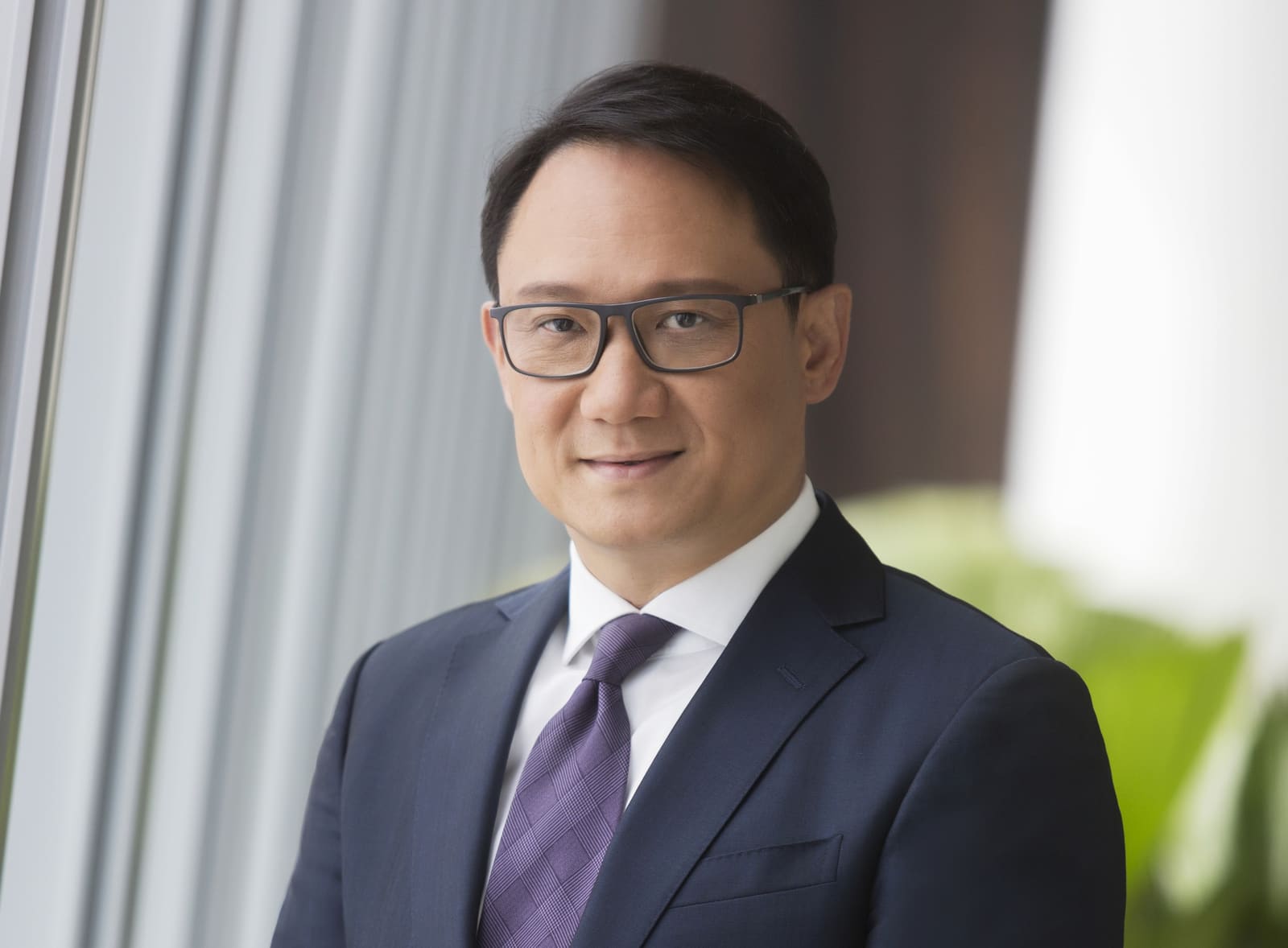
Alvin Lee, Country CEO and CEO of Maybank Singapore, said the bank aims to help shape infrastructure principles for digital finance in Singapore through collaboration with MAS and fintech participants. He noted the initiative aligns with ROAR30, Maybank's five-year strategic plan focused on values-based offerings and improved efficiency for small and medium enterprises.
Investment Scale and Regional Context
Maybank plans to invest RM10 billion, approximately S$3.2 billion, over five years in technology, data, and artificial intelligence under its ROAR30 strategy. Tokenisation forms part of that investment allocation.
The BLOOM initiative represents Singapore's continued push to position itself as a regulated digital asset hub in Asia. By convening banks, stablecoin issuers, and payment platforms under a central bank-led framework, MAS is testing whether tokenised money can address longstanding friction in cross-border payments: slow settlement times, high costs, and limited transparency.
The practical question is whether tokenisation can deliver meaningful efficiency gains over existing real-time payment networks and correspondent banking relationships, especially for the SME corridor that Maybank is targeting. Early projects like Maybank's ringgit-to-Singapore dollar conversion for Yinson suggest some use cases are viable, but scaling those experiments into production systems remains the challenge.
MAS has left the door open for additional participants. Entities interested in joining BLOOM can register their interest directly with the central bank. The initiative's success will depend not just on technical interoperability but on whether participants can align on governance, compliance, and liquidity management across multiple jurisdictions and currency pairs.
RELATED STORIES
Singapore Approves 37 Crypto Firms From Nearly 300 License Applications
Priyanka V. Rao · 2 min
Southeast Asian Workers Embrace AI Tools Faster Than Global Peers
Priyanka V. Rao · 3 min
Singapore Banks Hit Record Highs on Wealth Management Surge
Priyanka V. Rao · 2 min
Allianz Acquires HSBC Singapore Insurance Operations in $2.3 Billion Deal
Priyanka V. Rao · 3 min
Spot something wrong? Email editor@briefasia.com. We log every correction publicly.