Finance · Banking
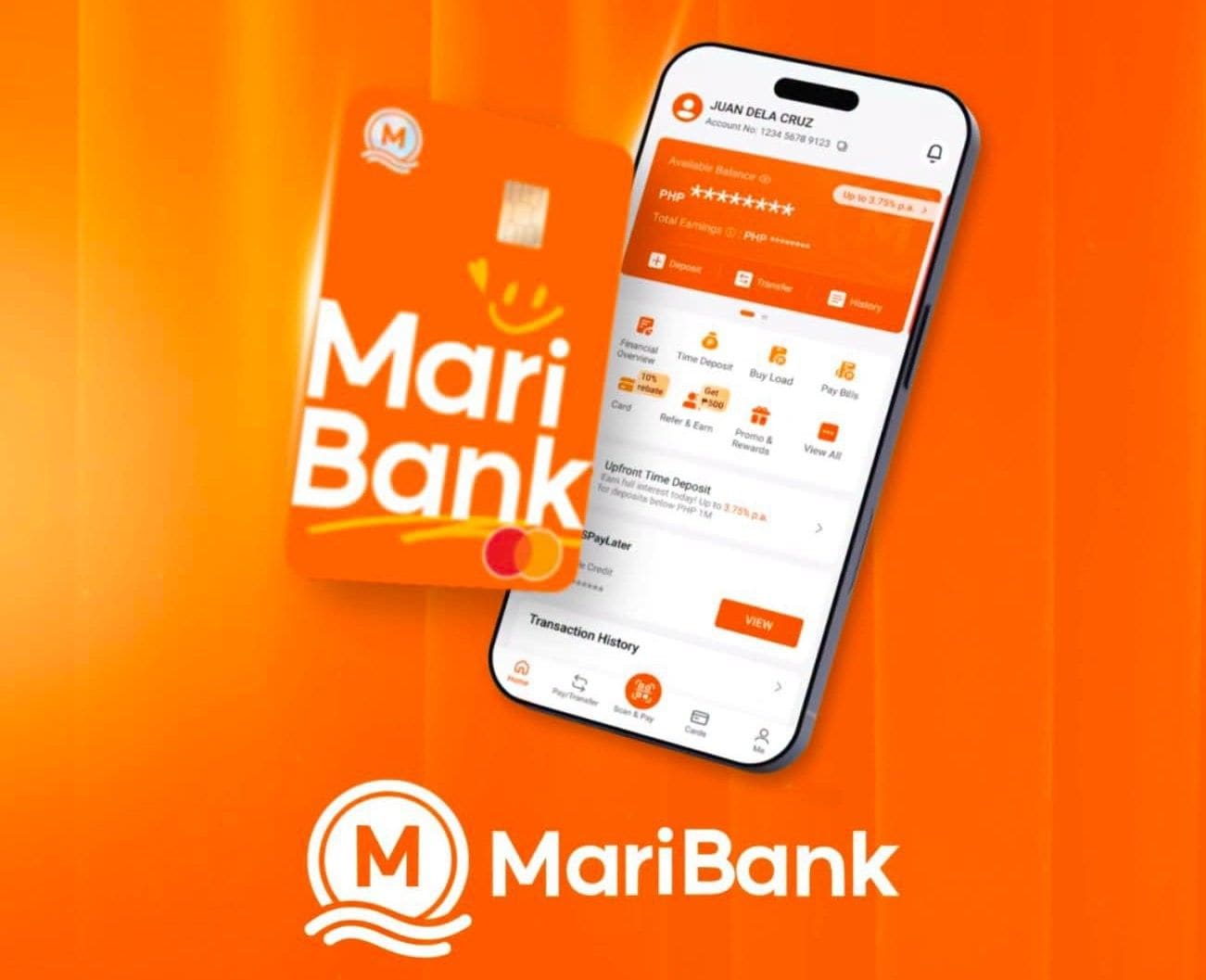
MariBank Secures Full Digital Banking License in the Philippines
The mobile-first lender becomes the seventh digital bank authorized by the central bank, joining a competitive field reshaping Filipino retail finance.
KEY TAKEAWAYS
- ·MariBank received approval from the Bangko Sentral ng Pilipinas to upgrade from a rural bank to a digital bank, with the certificate of authority issued on July 8, 2026.
- ·The Philippines now has seven licensed digital banks, including UNO Digital Bank, UnionDigital Bank, GoTyme Bank, Tonik Digital Bank, Maya Bank, and Overseas Filipino Bank.
- ·Digital banks in the Philippines must maintain minimum capitalization of 1 billion pesos and comply with technology risk management standards tailored to branchless operations.
License Upgrade Finalized
MariBank has completed its transition from a rural bank to a fully licensed digital bank, according to the Bangko Sentral ng Pilipinas. The central bank's Monetary Board approved the license upgrade on July 22, following a multi-stage regulatory process that began with the Securities and Exchange Commission's approval of amended corporate documents on June 16.
The BSP governor issued the official certificate of authority to operate as a digital bank on July 8, 2026, according to the central bank. The approval places MariBank in a small group of institutions authorized to offer branchless banking services under the Philippines' digital banking framework.
The Digital Banking Landscape
The Philippines now has seven licensed digital banks, each competing for a share of the archipelago's underbanked population. MariBank joins UNO Digital Bank, UnionDigital Bank, GoTyme Bank, Tonik Digital Bank, and Maya Bank in the private sector, alongside Overseas Filipino Bank, the digital arm of state-owned Land Bank of the Philippines.
The competitive environment reflects Manila's push to expand financial inclusion through mobile-first platforms. Digital banks in the Philippines are permitted to operate without physical branches, relying instead on app-based interfaces and third-party agent networks to reach customers across the country's more than 7,600 islands.
MariBank's upgrade from rural bank status signals a strategic shift toward scale. Rural banks in the Philippines traditionally serve localized markets with limited capital bases and geographic reach. Digital bank licenses, by contrast, allow nationwide operations and access to a broader range of funding sources, including retail deposits and wholesale markets.
Regulatory Framework and Timing
The BSP introduced its digital banking framework in late 2020, setting capital requirements and operational standards distinct from traditional banks. Licensed digital banks must maintain a minimum capitalization of 1 billion Philippine pesos, roughly 17 million US dollars, and comply with technology risk management standards tailored to branchless operations.
The timing of MariBank's license coincides with a broader wave of digital bank launches across Southeast Asia. Regional peers in Indonesia, Thailand, and Vietnam have issued similar licenses over the past three years, driven by rising smartphone penetration and a growing appetite for app-based financial services among younger consumers.
Manila's digital banking sector has attracted investment from both domestic conglomerates and international technology firms. Several of the licensed banks have backing from regional telecommunications companies, fintech startups, or established financial institutions seeking to diversify distribution channels.
Market Implications
The addition of a seventh licensed player intensifies competition for deposits and loan origination in a market where customer acquisition costs remain high. Digital banks in the Philippines have been offering elevated interest rates on savings accounts and streamlined loan application processes to lure users away from incumbent lenders.
MariBank's mobile-first approach positions it to target segments underserved by traditional branch networks, including younger professionals in urban centers and overseas Filipino workers seeking low-cost remittance and savings products. The bank's branding and user experience will be critical in a market where app store ratings and word-of-mouth referrals drive adoption.
The central bank has signaled that it will monitor the sector closely, with particular attention to credit risk management and cybersecurity. Digital banks operate with leaner cost structures than traditional lenders, but they also face heightened exposure to technology failures and fraud.
Industry observers expect further consolidation as the market matures. Not all seven licensed banks are likely to achieve profitability at scale, and partnerships or mergers may reshape the competitive map within the next two to three years. For now, the race is on to build user bases and demonstrate sustainable unit economics in one of Asia's most dynamic fintech markets.
RELATED STORIES

GCash IPO Could Turn Users Into Shareholders
Mariel D. Santos · 3 min

Manila Halts Approvals for Digital Payment Operators Pending Fraud Review
Jun-ho Seo · 4 min
GCash Parent Mynt Wins SEC Approval for $1.6 Billion Manila IPO
Tran Quoc Bao · 3 min

Jollibee Shifts IPO Plans to Hong Kong After US Listing Target
Cheng Wei-Lun · 3 min
Spot something wrong? Email editor@briefasia.com. We log every correction publicly.