Asia · Business
Manila Water Expands Recovery Systems to Buffer Against El Niño
East Zone utility can now reclaim 46 million liters daily from filter cleaning operations, enough to supply over 200,000 customers during drought conditions.
KEY TAKEAWAYS
- ·Manila Water can now reclaim 46 million liters per day from filter backwash operations across three treatment plants, enough to supply over 200,000 customers daily.
- ·The expanded recovery capacity reduces dependence on Angat Dam, which experiences sharp drawdowns during El Niño drought conditions in the Philippines.
- ·Philippine weather authorities expect a moderate to strong El Niño in late 2026, prompting utilities to prepare supply buffers and demand management measures in advance.
Reclaiming Water from Routine Operations
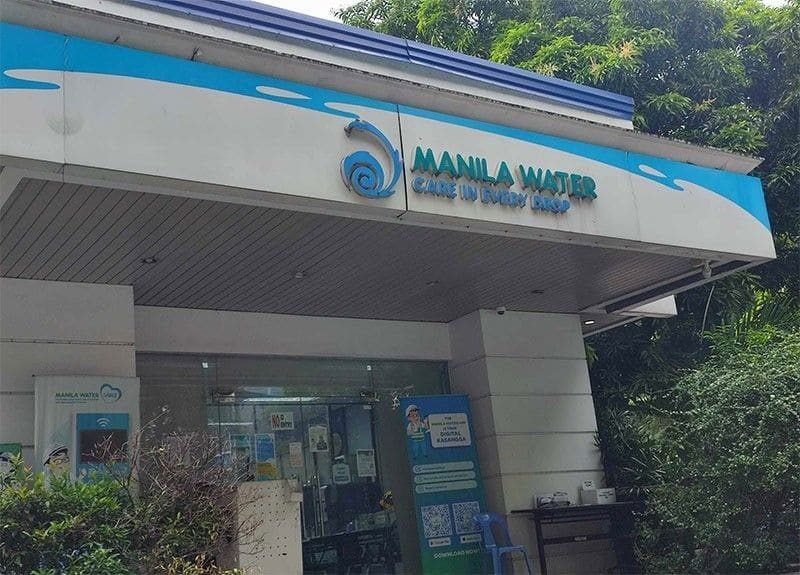
Manila Water Co. Inc. is increasing its capacity to reclaim water from routine filter cleaning, a move that will add 46 million liters per day to its supply network as the Philippines braces for El Niño conditions. The East Zone concessionaire operates backwash recovery systems at three treatment facilities, capturing water that would otherwise be discarded during standard maintenance cycles.
The utility's plants at East La Mesa and Balara can now recover up to 40 million liters daily, according to Manila Water. A third system at the Cardona Treatment Plant in Rizal province contributes an additional six million liters by cycling water back into the treatment process. Combined, the reclaimed volumes can serve more than 200,000 customers each day.
Backwashing is a standard procedure in water treatment. Operators flush air and water through filter beds to dislodge accumulated sediment, maintaining filtration efficiency. Traditionally, this wastewater is discharged. Manila Water's recovery infrastructure captures it instead, routing the water back to the head of the treatment train as supplementary raw water.
Reducing Dependence on Angat Dam
The expanded recovery capacity reduces Manila Water's reliance on Angat Dam, the primary reservoir supplying Metro Manila's east concession. Angat's water levels drop sharply during El Niño episodes, constraining available raw water. By maximizing internal recovery, the utility creates a buffer against reservoir drawdowns and rising demand during hot, dry months.
Manila Water corporate communications head Dittie Galang said the company is using innovations like backwash recovery and new source development to strengthen system resilience. The Cardona plant draws from the middle section of Laguna Lake, diversifying the geographic spread of raw water sources.
Climate Risk and System Efficiency
El Niño events typically reduce rainfall across the Philippines, stressing agricultural output and urban water supplies. Metro Manila's population density and industrial concentration make supply interruptions particularly disruptive. Manila Water serves the eastern half of the capital region, covering approximately 1.7 million customer accounts.
Backwash recovery improves plant efficiency by reducing raw water intake requirements for a given volume of treated output. The technology also lowers discharge volumes, easing the load on wastewater infrastructure. While the 46 million liters per day represents a fraction of Metro Manila's total demand, it provides operational flexibility during peak consumption periods or when reservoir inflows are below normal.
Regional Context
Water utilities across Southeast Asia are investing in efficiency and alternative sources as climate variability intensifies. Singapore has built a portfolio that includes desalination, reclaimed wastewater, and stormwater capture. Jakarta's utility is expanding groundwater recharge and leak reduction programs. Manila Water's approach focuses on maximizing yield from existing infrastructure before capital-intensive new sources are deployed.
The company has not disclosed the capital cost of the backwash recovery systems or the timeline for their deployment. The systems are already operational at all three plants, with the enhanced capacity available for the upcoming dry season. Manila Water did not specify whether further recovery capacity is planned at other treatment sites in its concession area.
Philippine weather authorities have issued preliminary advisories indicating a moderate to strong El Niño may develop in the latter half of 2026, though the intensity and duration remain uncertain. Water planners typically prepare supply buffers several months in advance of expected dry conditions, coordinating reservoir releases and demand management measures across the capital region.
RELATED STORIES
Philippines Cancels Coal Tender for Key Mining Site Months Before Operator Handover
Mariel D. Santos · 4 min
Filipino Workers Abroad Send Home $3.6 Billion in July
Mariel D. Santos · 3 min
Five ASEAN Members Back Regional Oil Stockpile as Study Nears Completion
Tran Quoc Bao · 3 min

Asialink Finance Targets $480M in Medium-Enterprise Lending by Year-End
Mariel D. Santos · 3 min
Spot something wrong? Email editor@briefasia.com. We log every correction publicly.