Asia · Business
Malaysian Chinese Businesses Face Mounting Cost Pressures Through Mid-2026
Survey of nearly 800 firms reveals construction and manufacturing sectors hit hardest by raw material price increases and operating expense inflation

KEY TAKEAWAYS
- ·81.1% of Chinese Malaysian construction firms and 71.2% of manufacturers cited higher raw material prices as their top challenge in H1 2026, according to an ACCCIM survey of 791 businesses.
- ·50.9% of respondents reported weaker domestic sales in the first half, with 40.6% expecting continued softness through H2 2026 as consumer caution persists.
- ·67.2% of firms anticipate local input costs will worsen in H2 2026, while 62.1% expect imported input costs to deteriorate further.
Cost Inflation Persists Across Key Sectors
Chinese Malaysian businesses entered the second half of 2026 under sustained cost pressure, with raw material prices and operating expenses climbing across major industries. The Associated Chinese Chambers of Commerce and Industry of Malaysia surveyed 791 firms between early and late June, capturing sentiment as inflationary headwinds showed little sign of easing.
Construction companies bore the brunt: 81.1% flagged higher raw material prices as a primary concern. Manufacturing followed at 71.2%, while wholesale and retail trade registered 59.7%. Operating costs ranked as the second-largest worry, affecting 56.9% of construction respondents, 54.1% in manufacturing, and 50.7% in wholesale and retail.
Lee Heng Guie, executive director of the Socio-Economic Research Centre under ACCCIM, noted that the breadth of cost increases left few sectors untouched. Professional and business services firms, though less exposed to commodity swings, still cited high operating costs at 41.4%.
Consumer Behavior Shifts Under Pressure
In the services segment, 38.3% of respondents pointed to changing consumer behavior as a challenge. Households are comparing prices more rigorously, prioritizing essential purchases, hunting for promotions, and migrating toward online channels to capture better deals.
Lee attributed the shift to persistent inflation and rising living costs, which have made buyers more deliberate in their spending. That caution translated directly into weaker domestic sales: 50.9% of respondents reported declining sales volumes in the first half, and 40.6% expect that softness to continue through the second half.
Production levels mirrored the demand picture. In the first half, 42.5% of businesses saw output decline; for the second half, 32.5% still anticipate contraction, though the figure suggests a modest stabilization.
Input Cost Outlook Remains Bleak
Looking ahead, firms expect input inflation to persist. Two-thirds of respondents - 67.2% - forecast that local input costs will worsen in the second half of 2026, down slightly from 70.4% in the first half. For imported inputs, 62.1% anticipate further deterioration, compared with 65% earlier in the year.
The marginal improvement in sentiment does not signal relief. Instead, it reflects a baseline expectation that cost pressures, while high, may plateau rather than accelerate.
Cash flow conditions are expected to remain stable but tight: 61.3% of respondents foresee little change in financial management in the second half, nearly identical to the 61.2% who reported unchanged conditions in the first half.
Pricing Power Shows Limited Improvement
On the revenue side, pricing conditions are expected to improve modestly. A quarter of respondents - 25.1% - anticipate better domestic pricing in the second half, down from 33.9% in the first half. For export markets, 18.2% expect improved pricing, compared with 21.1% earlier.
The narrowing optimism suggests that businesses are finding it harder to pass costs through to customers, particularly in domestic markets where consumer caution is constraining demand. Export-oriented firms face their own headwinds, including softer global demand and currency volatility.
Regional Context
Malaysia's cost pressures mirror broader Southeast Asian trends. Across the region, small and mid-sized enterprises have struggled with commodity price volatility, logistics bottlenecks, and labor cost inflation since the post-pandemic recovery. In Thailand and Indonesia, similar surveys have shown manufacturers grappling with input cost spikes and margin compression.
For Chinese Malaysian businesses, which form a significant part of the country's SME landscape, the challenge is compounded by their heavy representation in trade-dependent sectors. The construction slowdown reflects both public-sector budget constraints and private-sector caution, while manufacturing weakness ties to softer external demand from China and the broader region.
The ACCCIM survey, conducted over four weeks in mid-2026, provides a snapshot of sentiment among firms that collectively employ thousands and contribute materially to Malaysia's GDP. The results underscore the persistent gap between revenue growth and cost inflation, a dynamic that continues to squeeze profitability and investment appetite across the region's middle-market enterprises.
RELATED STORIES

Proton Eyes 200,000 Units in 2026, Aiming for Best Sales Year Since 2011
Priyanka V. Rao · 3 min

Penang Captures 34% of Malaysia's Manufacturing Investment in First Half
Anand Sundaram · 2 min
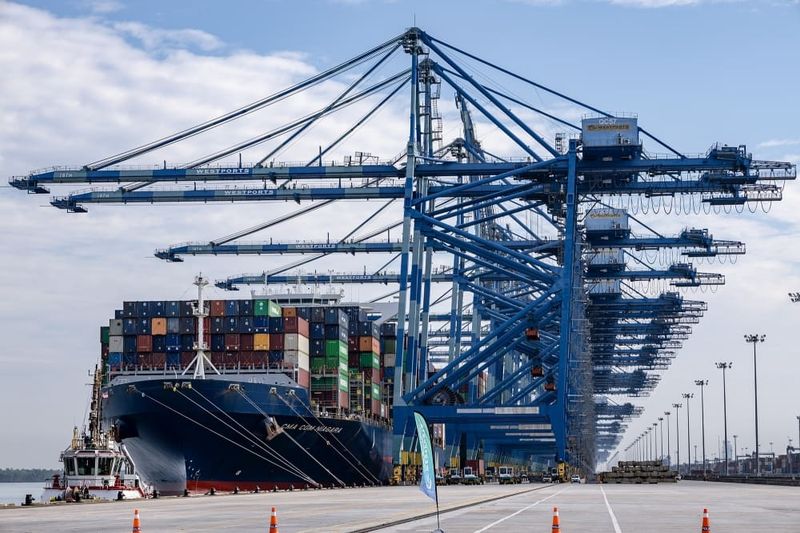
Malaysia's July Trade Surge Points to Strengthening Regional Demand
Priyanka V. Rao · 3 min
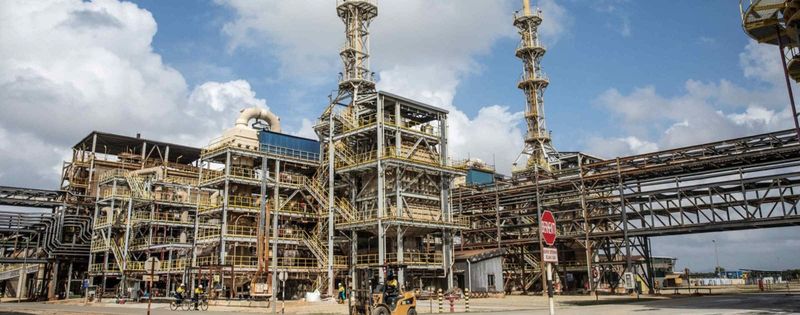
Malaysia's Rare Earth Deposits Draw Foreign Interest Ahead of China Export Controls
Priyanka V. Rao · 3 min
Spot something wrong? Email editor@briefasia.com. We log every correction publicly.