Asia · Trade
Malaysia Trade Hits RM3.1 Trillion as US Demand and Electronics Propel 28th Straight Surplus
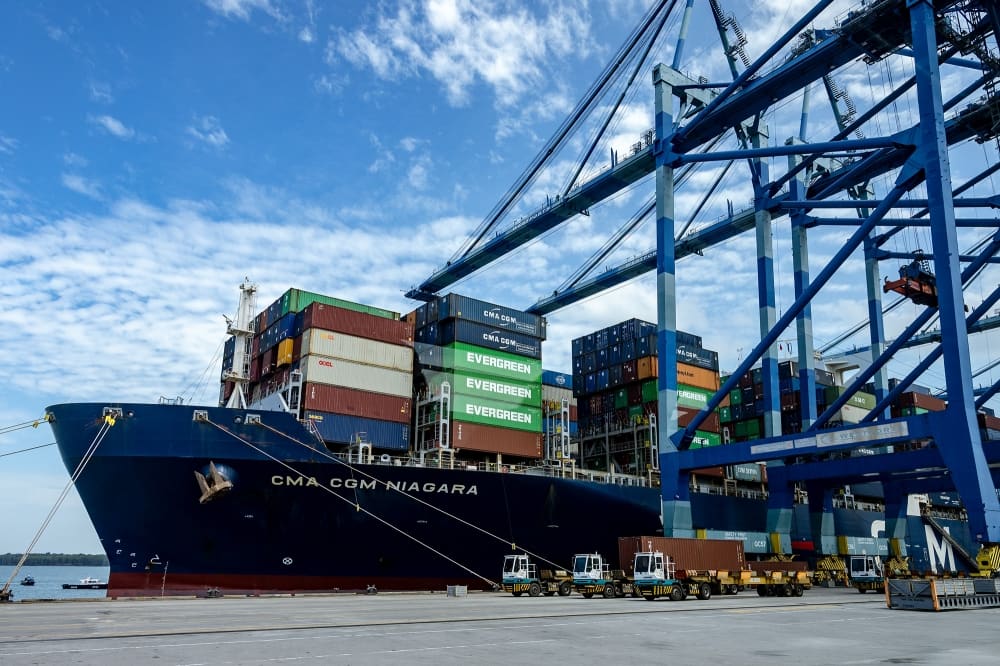
Total trade climbed 6.3 per cent in 2025, with electrical and electronic products leading both export growth and a 12.8 per cent increase in the trade surplus to RM156.8 billion.
KEY TAKEAWAYS
- ·Malaysia recorded RM3.1 trillion in total trade for 2025, a 6.3 per cent increase, with exports to the United States surging 17.5 per cent to RM233.7 billion.
- ·The nation posted a RM156.8 billion trade surplus, up 12.8 per cent, marking its 28th consecutive annual surplus since 1998.
- ·Electrical and electronic products drove growth, with exports rising RM110.7 billion and imports up RM111.6 billion, while capital goods imports jumped 29.1 per cent.
Strong Export Performance Across Key Markets
Malaysia closed 2025 with total trade reaching RM3.1 trillion, marking a 6.3 per cent increase from the previous year. The Department of Statistics Malaysia reported that exports rose 6.6 per cent to RM1.6 trillion, while imports climbed six per cent to RM1.5 trillion. The nation maintained its trade surplus for the 28th consecutive year since 1998, with the surplus expanding 12.8 per cent to RM156.8 billion.
Domestic exports accounted for 77.2 per cent of total exports, reaching RM1.2 trillion with a 2.2 per cent gain. Re-exports showed stronger momentum, surging 25.1 per cent to RM366.8 billion and representing 22.8 per cent of total exports.
The United States emerged as the primary driver of export growth, with shipments jumping 17.5 per cent to RM233.7 billion, an increase of RM34.8 billion year-on-year. Electrical and electronic products led the charge with RM26.1 billion in additional exports to the US market, followed by machinery, equipment and parts at RM2 billion, processed food at RM1.6 billion, and manufactured metal products at RM1.2 billion.
Regional Trade Expansion and Import Dynamics
Beyond the US, Malaysia recorded significant export gains to Taiwan, which climbed 31.3 per cent to add RM21 billion in trade value. Singapore imports from Malaysia grew 8.3 per cent, contributing an additional RM19.1 billion. The European Union accounted for RM13.4 billion more in exports, an 11.6 per cent increase, while Mexico saw a 59.7 per cent surge, adding RM11.3 billion.
On the import side, China remained Malaysia's largest source, with imports expanding 19 per cent to RM352.8 billion from RM296.5 billion in 2024, an increase of RM56.3 billion. Electrical and electronic components drove RM37 billion of that growth, with transport equipment and machinery adding RM6.1 billion and RM4.8 billion respectively.
Taiwan delivered the second-largest import increase at RM36.1 billion, a 33 per cent jump. Costa Rica registered a 432.5 per cent spike, contributing RM11 billion, while South Korea added RM9.2 billion and Vietnam RM7.7 billion. US imports to Malaysia rose 4.7 per cent, up RM5.9 billion.
Electronics and Capital Goods Lead Sectoral Growth
Electrical and electronic products dominated both export and import flows. On the export side, E&E products grew 18.4 per cent, adding RM110.7 billion to Malaysia's trade ledger. Machinery, equipment and parts contributed RM9.3 billion in export growth, a 13.5 per cent increase, while optical and scientific equipment rose 11 per cent, adding RM6.5 billion.
Palm oil-based manufactured products recorded a 16.2 per cent gain, contributing RM5.7 billion, and palm oil and palm-based agriculture products added RM4.9 billion with 6.2 per cent growth.
Imports of E&E products surged 24.5 per cent, expanding by RM111.6 billion. Transport equipment imports increased 13.9 per cent, adding RM7.3 billion, while machinery and equipment grew 6.1 per cent to contribute RM6.9 billion. Metalliferous ores and metal scrap imports climbed 35 per cent, up RM5.8 billion.
Capital goods imports reached RM214.5 billion, representing 14.8 per cent of total imports and a 29.1 per cent expansion. Consumption goods imports rose 1.8 per cent to RM119.5 billion, accounting for 8.2 per cent of total imports, driven by higher demand for durable goods and semi-durables.
Intermediate goods, which made up 49.5 per cent of total imports, declined 4.1 per cent to RM718.8 billion. The drop reflected lower imports of processed industrial supplies, down RM21.6 billion, and primary fuel and lubricants, which fell RM13.2 billion.
Broad-Based Commodity Strength
Out of 260 commodity groups tracked for exports, 133 registered increases compared to 2024. The gains were led by electrical and electronic products, machinery and equipment, and measuring, checking, analysing and controlling instruments, according to the Department of Statistics Malaysia.
On the import side, 128 out of 261 commodity groups posted year-on-year increases. The rise was driven primarily by higher imports of E&E products, aircraft and associated equipment, and engines and motors.
Malaysia's trade performance in 2025 underscores the resilience of its electronics manufacturing base and the sustained appetite from advanced economies for its exports. The 28-year surplus streak reflects structural export competitiveness, even as import growth signals domestic investment and consumption demand. With electronics continuing to anchor trade flows and diversification into higher-value manufacturing gaining traction, Malaysia's external account remains a pillar of macroeconomic stability in Southeast Asia.
RELATED STORIES

Penang Captures 34% of Malaysia's Manufacturing Investment in First Half
Anand Sundaram · 2 min

Southeast Asian Firms Overlook Digital Pact Worth USD 2 Trillion
Lim Hui Ying · 4 min

Malaysia's Petronas Reports Steady Earnings Amid Energy Security Push
Priyanka V. Rao · 2 min
Malaysia's July Trade Surge Points to Strengthening Regional Demand
Priyanka V. Rao · 3 min
Spot something wrong? Email editor@briefasia.com. We log every correction publicly.