Sustainability · Energy
Malaysia's TNB Shifts Energy Sovereignty Focus to Resilience Over Self-Sufficiency
The utility giant is redefining national energy control as building adaptable systems while pursuing net-zero targets and regional grid integration across Southeast Asia.
KEY TAKEAWAYS
- ·Tenaga Nasional is redefining energy sovereignty as building resilient, adaptable systems rather than achieving resource self-sufficiency, targeting net-zero emissions by 2050.
- ·The utility has ended greenfield coal investments and is retrofitting existing plants with biomass, ammonia, hydrogen co-firing, and carbon capture technologies.
- ·TNB is supporting the ASEAN Power Grid to enhance regional interconnectivity, improve energy security, and accelerate clean energy integration across Southeast Asia.
A New Definition for Energy Control
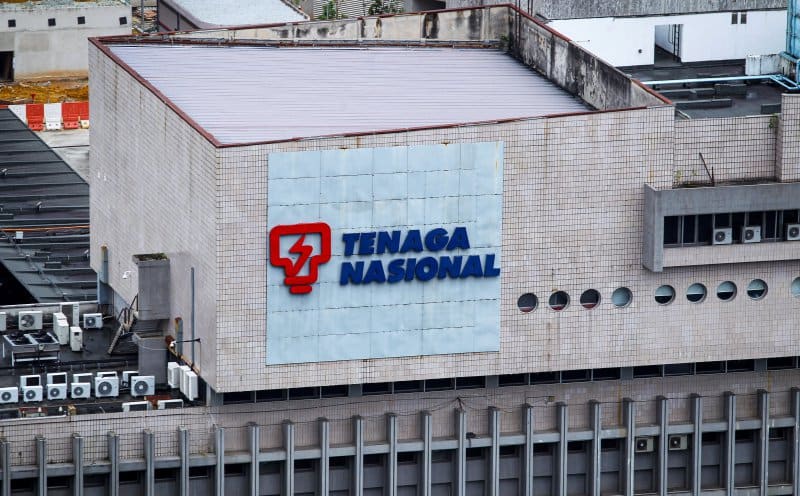
Tenaga Nasional Bhd is repositioning Malaysia's approach to energy sovereignty, arguing that true control comes not from resource independence but from building systems capable of weathering disruption and adapting to rapid technological change.
Speaking at the Asia ESG Summit 2026, Datuk Shahrir Abdul Latif, managing director of TNB Power Generation Sdn Bhd, outlined a vision that moves beyond traditional notions of self-sufficiency. Energy sovereignty, he said, now means constructing resilient and future-ready infrastructure that can respond to evolving demand, climate pressures, and geopolitical shifts.
The utility is anchoring its strategy around what Shahrir described as the energy trilemma: balancing security, affordability, and sustainability. These three pillars, according to TNB, must inform every investment decision, policy framework, and technology deployment to ensure the nation's power system remains both reliable and responsible.
Strategic Priorities Toward 2050
TNB has committed to reaching net-zero emissions by 2050 and has ended all investments in new greenfield coal-fired power plants. The company is now focused on transforming existing brown assets into cleaner energy solutions, a shift that involves retrofitting infrastructure and integrating low-carbon technologies.
Among the technologies TNB is advancing are biomass, ammonia co-firing, hydrogen co-firing, and carbon capture systems. These initiatives are designed to reduce emissions from existing generation capacity while maintaining grid stability during the transition period.
The company's approach reflects a pragmatic calculation: Malaysia's electricity demand continues to grow, driven by industrial expansion and data center development, and the grid requires baseload capacity that intermittent renewables cannot yet fully provide. By retrofitting rather than replacing coal plants outright, TNB aims to balance decarbonization goals with operational reliability.
People and Governance as Transition Pillars
Shahrir emphasized that technology alone will not deliver a successful energy transition. The shift requires strong operational discipline, transparent governance, prudent capital allocation, and a skilled workforce capable of managing increasingly complex systems.
Reliable electricity, he noted, depends as much on the expertise and dedication of engineers, technicians, and grid operators as it does on infrastructure. These professionals design, operate, and maintain the power system daily, and their capability will determine whether Malaysia's transition succeeds or stalls.
This focus on human capital reflects a broader challenge facing Southeast Asian utilities: as grids become more distributed, digitized, and dependent on variable renewable generation, the skills required to manage them are evolving rapidly. TNB is investing in training programs and partnerships to ensure its workforce can handle the technical demands of a low-carbon grid.
Regional Integration Through ASEAN Power Grid
TNB is actively supporting the ASEAN Power Grid, a long-discussed initiative aimed at connecting national grids across Southeast Asia to enable cross-border electricity trading. The utility views regional interconnectivity as a strategic tool for enhancing energy security, smoothing supply-demand imbalances, and accelerating clean energy deployment.
The ASEAN Power Grid faces significant hurdles, including mismatched regulatory frameworks, uneven infrastructure quality, and political coordination challenges. Yet TNB's commitment signals that Malaysia sees value in pooling resources and sharing capacity with neighbors, particularly as renewable penetration increases and grids require greater flexibility.
By linking national systems, the ASEAN Power Grid could allow countries with surplus solar or hydro capacity to export power to neighbors facing shortages, improving overall system efficiency and reducing the need for fossil fuel backup generation.
Balancing Ambition with Pragmatism
TNB's strategy reflects a utility navigating competing pressures: decarbonization mandates, affordability concerns, and the need to maintain 24/7 reliability in a fast-growing economy. The company is betting that energy sovereignty in the 21st century means building systems that can absorb shocks, integrate new technologies, and collaborate across borders rather than simply controlling domestic resources.
As Malaysia's largest power producer, TNB's choices will shape the nation's energy trajectory for decades. Its emphasis on resilience, regional cooperation, and workforce development offers a blueprint for how state-linked utilities across Asia might manage the energy transition without sacrificing grid stability or economic competitiveness.
RELATED STORIES
Laos Hydropower Faces Solar and Wind Competition as Regional Grid Expands
Tran Quoc Bao · 4 min

Five ASEAN Members Back Regional Oil Stockpile as Study Nears Completion
Tran Quoc Bao · 3 min
Malaysia's Rare Earth Deposits Draw Foreign Interest Ahead of China Export Controls
Priyanka V. Rao · 3 min

Mondelez Brings Cocoa Crumb Production In-House at Malaysian Plant
Jun-ho Seo · 3 min
Spot something wrong? Email editor@briefasia.com. We log every correction publicly.