Finance · Markets
Malaysia's Ringgit Strengthens as Brent Crude Surges Past $94
The currency gained ground against the dollar and regional peers as oil prices climbed 30 percent in three weeks, promising hundreds of millions in additional government revenue.
KEY TAKEAWAYS
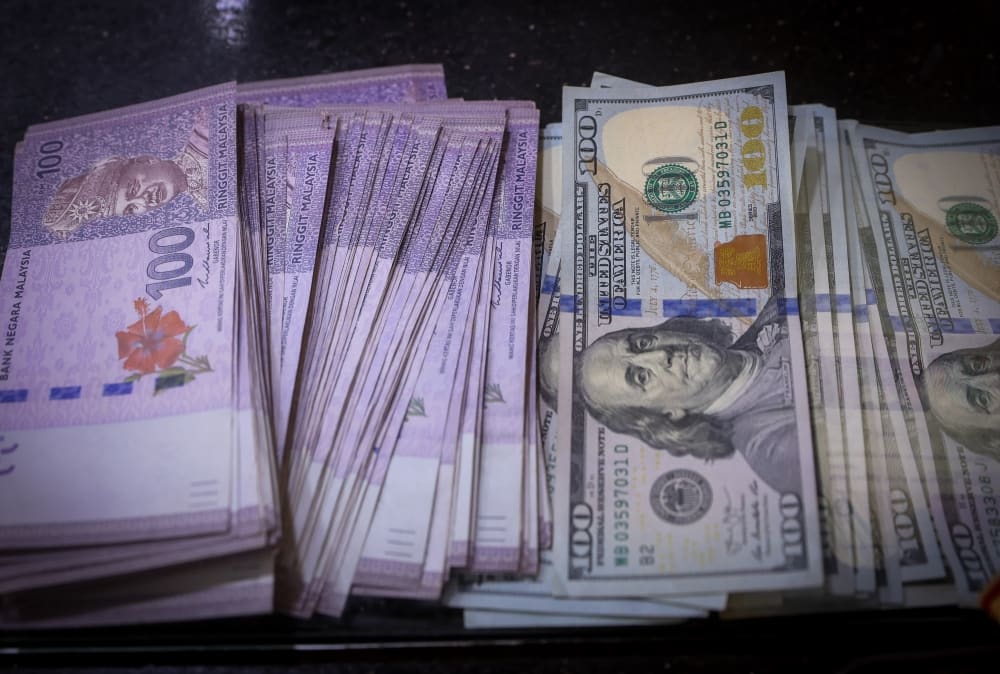
- ·Malaysia's ringgit closed at 4.0850 per US dollar on July 22 as Brent crude surged past $94 per barrel, up from $71.57 three weeks earlier.
- ·Each dollar increase in oil prices generates approximately RM300 million in additional government revenue, according to Deputy Finance Minister Liew Chin Tong.
- ·Disruptions in the Strait of Hormuz and Bab al-Mandab, plus a new 100 percent US tariff on generic drugs, dominated market sentiment during the session.
Oil Rally Powers Currency Gains
Malaysia's ringgit closed at 4.0850 to the US dollar on July 22, strengthening from 4.0870 the previous day, as benchmark Brent crude oil climbed above $94 per barrel. The commodity had traded at $71.57 on July 1, marking a rally of more than 30 percent in three weeks.
The currency's advance extended across a broad basket of trading partners. Against the euro, the ringgit improved to 4.6585 from 4.6682, while it rose to 2.5057 per 100 yen from 2.5123. The pound sterling weakened to 5.4612 ringgit from 5.4868.
Deputy Finance Minister Liew Chin Tong noted that each dollar-per-barrel increase in oil prices translates to approximately RM300 million in additional government revenue. With crude prices up more than $22 in under a month, the fiscal windfall could exceed RM6.6 billion if the rally holds.
Geopolitical Risks Dominate Trading
Market participants focused on two critical maritime chokepoints: the Strait of Hormuz and the Bab al-Mandab Strait. Disruptions to vessel traffic through these waterways have tightened global oil supply expectations, according to Bank Muamalat Malaysia chief economist Mohd Afzanizam Abdul Rashid. The ringgit traded in a narrow band between 4.0860 and 4.0975 during the session, reflecting cautious sentiment.
On the same day, US President Donald Trump announced a 100 percent import tariff on generic pharmaceuticals effective August 2028 unless manufacturers shift production to American soil. The announcement added to trade policy uncertainty already weighing on Asian currencies, though Malaysia's oil exposure provided a countervailing boost.
Regional Currency Board
The ringgit outperformed most Southeast Asian peers. It strengthened to 3.1635 against the Singapore dollar from 3.1682, and edged up versus the Indonesian rupiah to 228.0 from 228.4. Against the Thai baht, the gain was more pronounced at 12.0787 from 12.1420, while the Philippine peso slipped to 6.61 ringgit from 6.62.
The moves reflect Malaysia's position as a net energy exporter in a region otherwise vulnerable to higher fuel costs. Indonesia and Thailand, both importers, face widening current account pressures when crude prices spike. The Philippines, heavily reliant on remittances and energy imports, saw its peso lag despite stable domestic fundamentals.
Fiscal Arithmetic and Forward Risks
Malaysia's 2026 budget assumed an average Brent price near $80 per barrel. Each sustained dollar above that level flows directly to Petroliam Nasional, the state oil company, and thence to federal coffers through dividends and petroleum income tax. At current prices, the government stands to collect several billion ringgit beyond forecast, easing pressure on a fiscal deficit targeted at 3.8 percent of GDP.
Yet the rally carries risks. If crude remains elevated, inflation in transport and petrochemical feedstocks will climb, eroding household purchasing power. The central bank has held its overnight policy rate at 3.00 percent since May, betting that external price shocks would prove transient. A prolonged spike could force a reassessment.
Trade policy turbulence adds another layer of uncertainty. Trump's tariff threat, while aimed at pharmaceuticals, signals a broader willingness to deploy trade barriers. Malaysia exports significant volumes of electronics and rubber gloves to the United States; any expansion of tariffs to those sectors would dampen export growth and weigh on the ringgit despite oil tailwinds.
What Comes Next
Currency strategists will watch two variables closely in coming weeks: whether maritime disruptions in the Middle East escalate or ease, and whether the Federal Reserve signals any shift in its rate trajectory. A stronger dollar would typically offset ringgit gains from higher oil, but recent US data have shown cooling inflation, reducing the urgency for further Fed tightening.
For now, Malaysia enjoys a rare alignment: rising commodity prices, stable domestic policy rates, and a current account surplus. That combination has historically supported the ringgit in the 4.00 to 4.10 range against the dollar. Sustaining it will depend on factors largely beyond Kuala Lumpur's control.
RELATED STORIES
Ringgit Strengthens as Malaysia's Stable Rates Signal Policy Flexibility
Mariel D. Santos · 3 min
Ringgit Set to Hold Gains as Malaysia Central Bank Meeting Nears
Priyanka V. Rao · 3 min
Ringgit Gains Ground as Traders Await Fed Chair Warsh's Jackson Hole Address
Priyanka V. Rao · 3 min

Malaysia Hospital Group A1Health Prepares US$1.7 Billion IPO for Early 2027
Tran Quoc Bao · 2 min
Spot something wrong? Email editor@briefasia.com. We log every correction publicly.