Asia · Business
Malaysia Raises 2026 Auto Sales Forecast to 800,000 Units as Demand Strengthens
National brands now command 67 percent market share, driven by surging SUV and electric vehicle adoption across the first half
KEY TAKEAWAYS
- ·Malaysia's automotive industry has raised its 2026 sales forecast to 800,000 units from 790,000, with national brands capturing 67 percent of the market and 256,304 units sold in the first half.
- ·Electric and hybrid vehicle sales surged 69 percent year-on-year, prompting the industry body to lift its full-year electrified vehicle target to 120,000 units from 100,000.
- ·Commercial vehicle sales declined 11 percent in the first half due to diesel subsidy withdrawal, though the segment is expected to see improvement from the new BUDI subsidy programme.
Revised Outlook Reflects Market Momentum
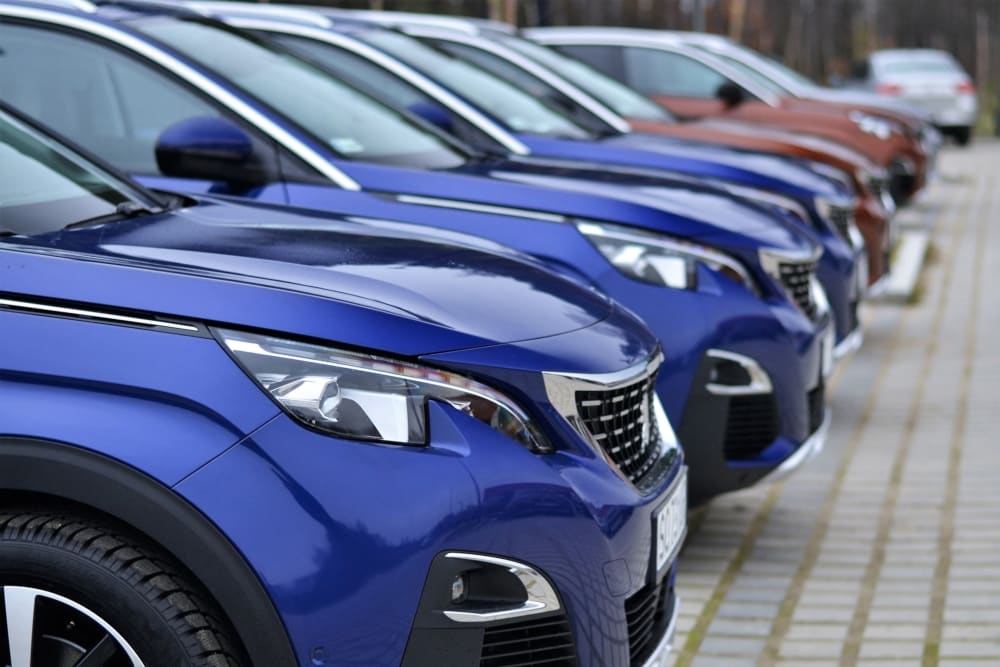
Malaysia's automotive sector is tracking ahead of earlier expectations, with the industry body now projecting total sales of 800,000 units for 2026, according to the Malaysian Automotive Association. The revised figure represents a 10,000-unit increase from the initial forecast of 790,000 units set at the start of the year.
Mohd Shamsor Mohd Nor, president of the Malaysian Automotive Association, noted that approximately 52 percent of the year's anticipated volume is expected to materialize in the second half. The adjustment follows stronger-than-anticipated performance during the opening six months, when the market delivered 385,353 units compared with 373,636 units in the same period of 2025, marking a three percent year-on-year gain.
National automotive brands have solidified their position, capturing 67 percent of new vehicle registrations in the first half of 2026. Domestic marques recorded sales of 256,304 units from January through June, a four percentage point increase from the prior-year period, while non-national brands saw volumes decline 6.2 percent to 129,049 units from 137,675 units.
SUVs and Electrification Drive Growth
The market's upward trajectory has been propelled by a 19 percent surge in sport utility vehicle sales, supported by fresh model introductions including electric offerings from domestic manufacturers. Production volumes rose 1.2 percent to 356,946 units in the first half, up 4,320 units from 352,626 units in the same 2025 window.
Electric and hybrid vehicle sales have accelerated sharply. Battery electric vehicle registrations jumped 106 percent, while the broader electrified vehicle category encompassing battery electric, hybrid electric, plug-in hybrid, and fuel cell electric models climbed 69 percent compared with the first half of 2025.
The Malaysian Automotive Association has raised its full-year electrified vehicle sales forecast to 120,000 units from an initial target of 100,000 units. The revised projection anticipates roughly equal contributions of 60,000 units each from battery electric and hybrid electric segments.
Commercial Segment Faces Headwinds
While passenger vehicle demand remains robust, the commercial vehicle segment continues to contract. The association expects commercial vehicles to account for seven percent of total industry volume in 2026, down from eight percent previously. Pickup truck sales declined 11 percent in the first half, a trend attributed to the withdrawal of diesel subsidies for private registrations.
Mohd Shamsor indicated that the introduction of the BUDI diesel subsidy programme is expected to provide some relief to the commercial segment in the months ahead.
Policy Certainty and Consumer Confidence Underpin Demand
Several factors have contributed to the market's resilience. The postponement of Customs Order P.U.(A) 402 and the New Customised Incentive Mechanism until the end of June provided manufacturers and distributors with greater operational certainty during a critical period for planning and inventory management.
Consumer confidence, underpinned by stable employment conditions and household income levels, has supported transaction volumes. Attractive financing packages, flexible ownership programmes, and aggressive promotional campaigns from dealers have also played a role in sustaining momentum.
Bank Negara Malaysia's decision to hold its Overnight Policy Rate at 2.75 percent has kept borrowing costs stable, maintaining accessibility for vehicle financing. The association expects this monetary policy stance, combined with the launch of new SUV and electrified models and year-end sales promotions, to continue supporting demand through the remainder of 2026.
External Risks Remain on Radar
Despite the optimistic domestic outlook, the industry is monitoring a range of external uncertainties. Geopolitical developments, particularly in the Middle East, currency fluctuations affecting import costs, and shifting global trade conditions all carry the potential to influence market performance in the coming quarters.
The Malaysian automotive sector's ability to absorb external shocks while maintaining growth reflects both the strength of domestic demand and the strategic shift toward electrification and higher-margin SUV segments. As the second half unfolds, the industry's trajectory will depend on sustaining consumer confidence and navigating an uncertain global environment.
RELATED STORIES
Malaysia's Petronas Reports Steady Earnings Amid Energy Security Push
Priyanka V. Rao · 2 min
Proton Eyes 200,000 Units in 2026, Aiming for Best Sales Year Since 2011
Priyanka V. Rao · 3 min

Penang Captures 34% of Malaysia's Manufacturing Investment in First Half
Anand Sundaram · 2 min
Malaysia's Rare Earth Deposits Draw Foreign Interest Ahead of China Export Controls
Priyanka V. Rao · 3 min
Spot something wrong? Email editor@briefasia.com. We log every correction publicly.