Asia · Business
Malaysia's Data Centre Rush Hits Funding and Grid Constraints
Regulators impose stricter efficiency rules and utilization penalties as the sector faces a $20 billion financing gap and looming power shortages
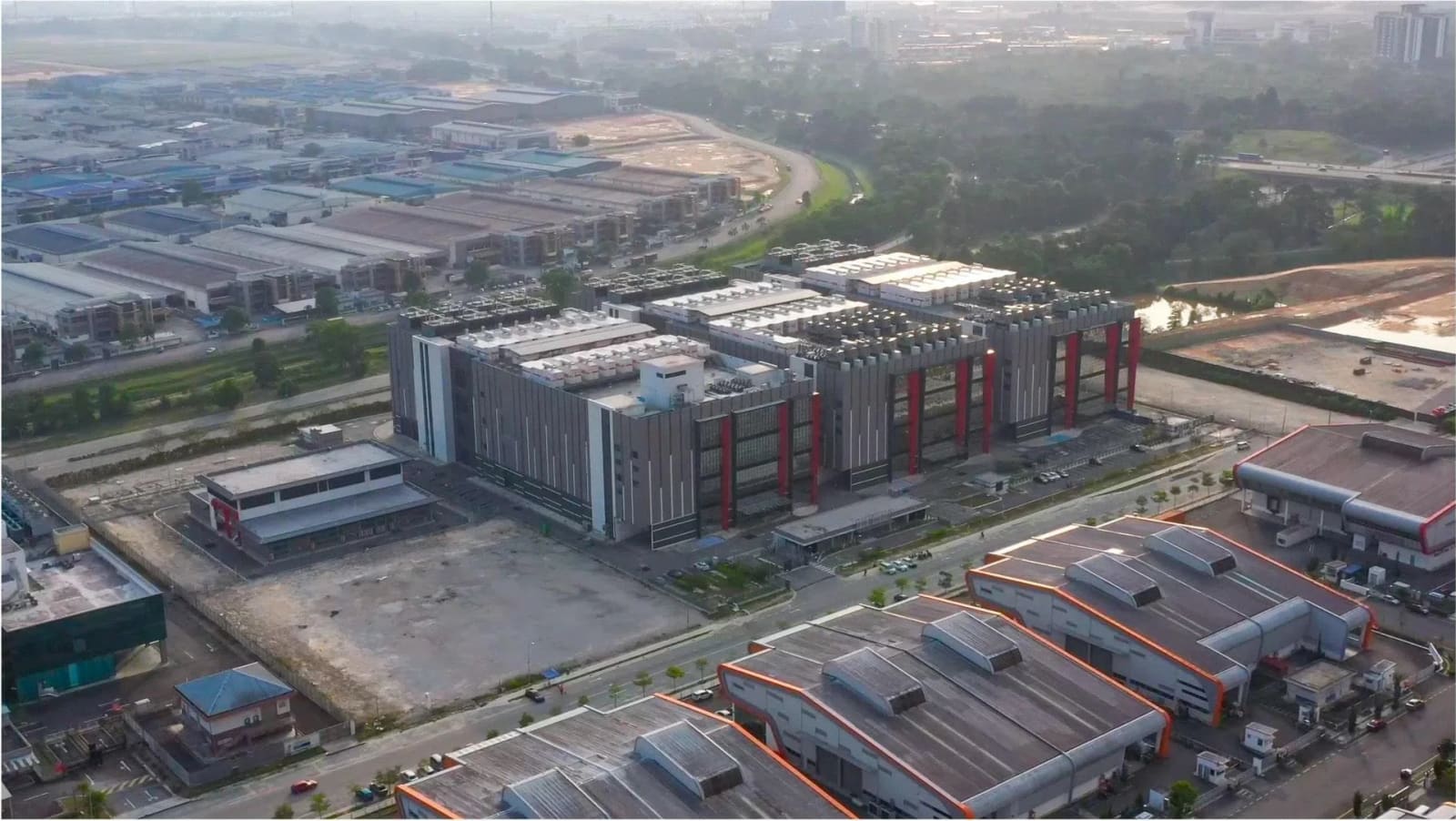
KEY TAKEAWAYS
- ·Malaysia's data centre sector faces a $20 billion funding gap and stricter efficiency rules as regulators impose utilization penalties and block low-tier facility approvals.
- ·Data centres are projected to consume 31 percent of Malaysia's energy capacity by 2035, up from 7 percent today, straining power reserves and water supplies.
- ·Operators like Google and DayOne are securing independent renewable power agreements while Bridge Data Centres and AirTrunk deploy on-site water recycling to bypass public infrastructure bottlenecks.
The Boom Meets Reality
Malaysia's data centre expansion is entering a disciplined phase after years of unchecked growth. Regulators are now enforcing tighter efficiency standards, higher utility costs, and stricter resource allocation rules to prevent speculative overbuilding, according to S&P Global Ratings.
The shift comes as the sector confronts a $20 billion funding shortfall and infrastructure constraints that threaten to outpace the country's energy and water capacity. Data centres are expected to consume nearly 31 percent of Malaysia's available energy by 2035, up from roughly 7 percent today, according to S&P.
Johor state, which absorbed spillover demand after Singapore's data centre moratorium, is leading the regulatory tightening. The state has blocked approvals for less efficient Tier 1 and Tier 2 facilities, which can use up to 200 times more water than advanced Tier 3 and Tier 4 configurations.
New Rules Penalize Underutilization
Malaysian authorities have introduced mandatory efficiency benchmarks to curb speculative capacity hoarding. Operators must now achieve a Power Usage Effectiveness of 1.8 or lower, narrowing the gap with Singapore's 1.25 standard. Water Usage Effectiveness must stay at or below 1.4, stricter than the national guideline of 2.2.
To discourage speculative applications, the government has imposed a penalty structure. Operators must declare annual power demand and face a shortfall charge of RM8.50 ($2.07) per kilowatt per month if they fail to meet an 85 percent electricity utilization threshold within the first four years.
The policy responds to data showing that actual power demand reached only 850 megawatts in 2025, just 55 percent of the 1,550 megawatts in approved capacity. New utility frameworks have also raised electricity costs for data centres by 5 to 15 percent, while water tariffs in Johor, Selangor, and Kuala Lumpur have jumped 30 to 50 percent.
Grid Expansion Lags Behind Demand
While Malaysia's Green Lane Pathway can approve power connections in as little as 12 months compared to three to five years elsewhere in Asia-Pacific, the physical build-out of infrastructure remains a bottleneck.
Peninsular Malaysia plans to expand power generation to 40 gigawatts by 2035 through new gas and renewable allocations under the NewGen26 competitive bidding system. However, global shortages of gas turbines have already delayed commissioning, according to S&P.
The power reserve margin in Peninsular Malaysia dropped to 25 percent in 2025, reaching the lower edge of the optimal 20 to 25 percent range. Water supply faces even longer lead times, with raw water reservoirs requiring up to eight years to construct. Treated water supplies are likely to remain constrained until the late 2020s, even as Johor plans to expand treated water capacity beyond three billion litres per day by 2030.
Operators Secure Alternative Pathways
Major players are bypassing public infrastructure constraints by locking in their own resources. Google signed a 21-year corporate power purchase agreement with TotalEnergies for solar power in Kedah, according to S&P. DayOne secured a 500-megawatt renewable power agreement with Tenaga Nasional in 2025.
On the water side, Bridge Data Centres and AirTrunk have partnered with Johor Special Water to deploy on-site recycled and reclaimed water facilities, sidestepping domestic supply strain.
Financing Model Reaches Breaking Point
The financial architecture supporting Malaysia's data centre pipeline is approaching structural limits. The projected 2-gigawatt capacity addition over the next three years will require more than $20 billion in funding for powered shells and infrastructure equipment alone, excluding high-end AI chips that can double or quadruple development costs, S&P noted.
This capital requirement tests the domestic banking system's capacity. The total data centre funding need risks breaching the aggregate sector exposure cap, estimated at $30 billion for the local banking system. Regulatory limits restrict a single bank's exposure to one borrower to 25 percent of its total capital, translating to an exposure ceiling of $4 billion to $19 billion for top borrowers among Malaysia's largest institutions.
These constraints create roadblocks for hyperscale projects. S&P forecasts that the next phase will require a shift away from conventional local bank loans toward international project finance, private credit, and asset-backed securitization to keep pipelines moving.
The regulatory recalibration marks a turning point for Malaysia's data centre ambitions. The country's competitive approval timelines and regional proximity remain attractive, but the emphasis has shifted from speed to sustainability. Operators that can secure independent power and water resources, meet stricter efficiency benchmarks, and tap international capital markets will be best positioned to navigate the new constraints.
RELATED STORIES
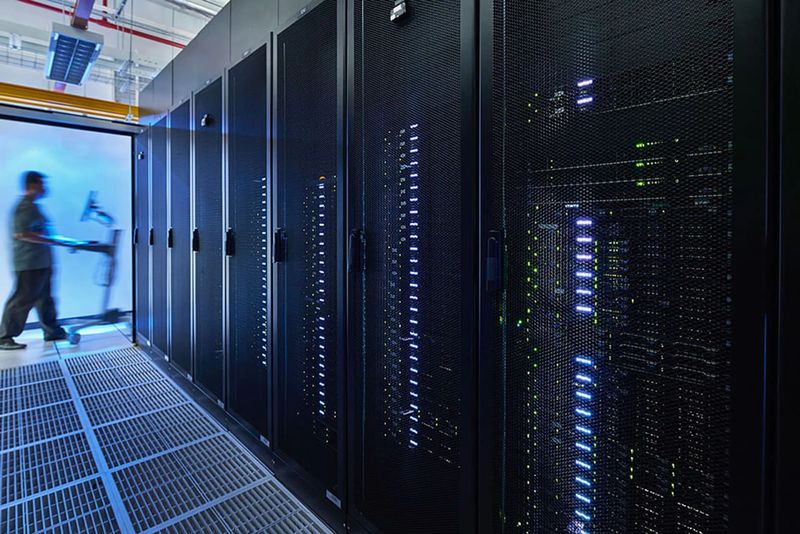
Singapore Targets High-Value Data Centre Workloads as Neighbors Scale Up Capacity
Cheng Wei-Lun · 3 min
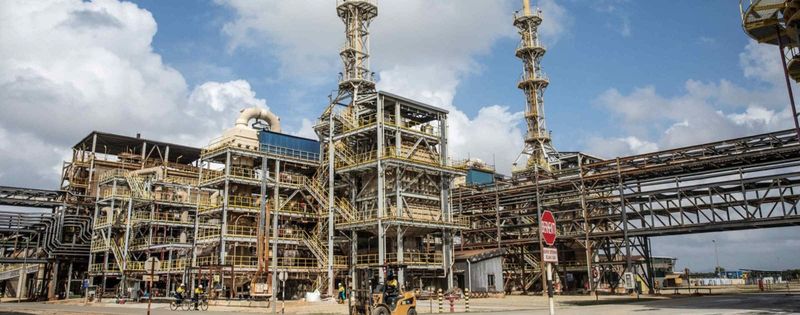
Malaysia's Rare Earth Deposits Draw Foreign Interest Ahead of China Export Controls
Priyanka V. Rao · 3 min
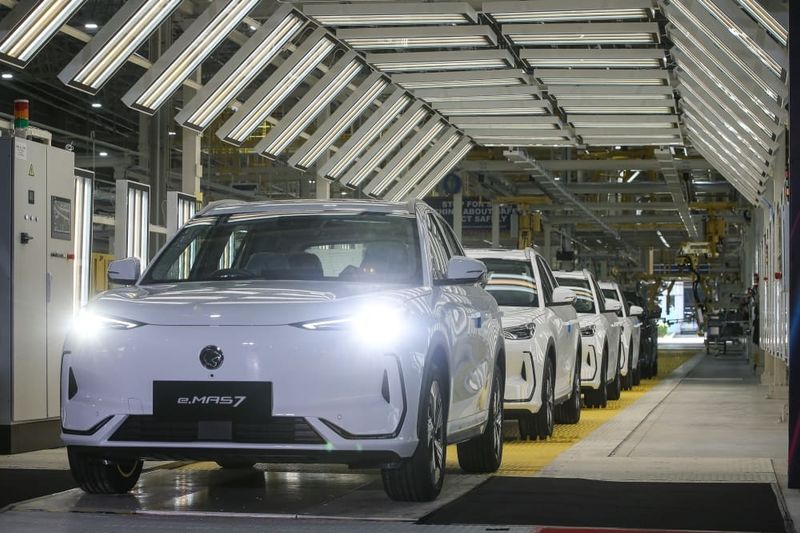
Proton Eyes 200,000 Units in 2026, Aiming for Best Sales Year Since 2011
Priyanka V. Rao · 3 min
Penang Captures 34% of Malaysia's Manufacturing Investment in First Half
Anand Sundaram · 2 min
Spot something wrong? Email editor@briefasia.com. We log every correction publicly.