Technology · AI
Malaysia Rides AI and Semiconductor Wave to Economic Momentum
Cloud giants and chipmakers are channeling billions into the Southeast Asian nation, reshaping its growth trajectory and regional positioning.
KEY TAKEAWAYS
- ·Malaysia is attracting major AI infrastructure and semiconductor investment due to stable power supply, competitive energy pricing, and targeted tax incentives for tech firms.
- ·Alibaba Cloud and major chipmakers including Intel and Infineon have expanded operations in Malaysia over the past eighteen months, with the country capturing spillover from Singapore's energy constraints.
- ·Malaysia's GDP growth now outpaces regional peers, with tech sector investment expected to contribute meaningfully to fiscal revenues despite tax breaks over the next five years.
An Unexpected Front-Runner
Malaysia has quietly moved to the center of Asia's AI infrastructure build-out, drawing investment from cloud platforms and semiconductor manufacturers at a pace that has surprised regional analysts. The country's combination of stable power supply, tax incentives, and geographic positioning has turned it into a preferred destination for data center operators and chip assembly facilities.
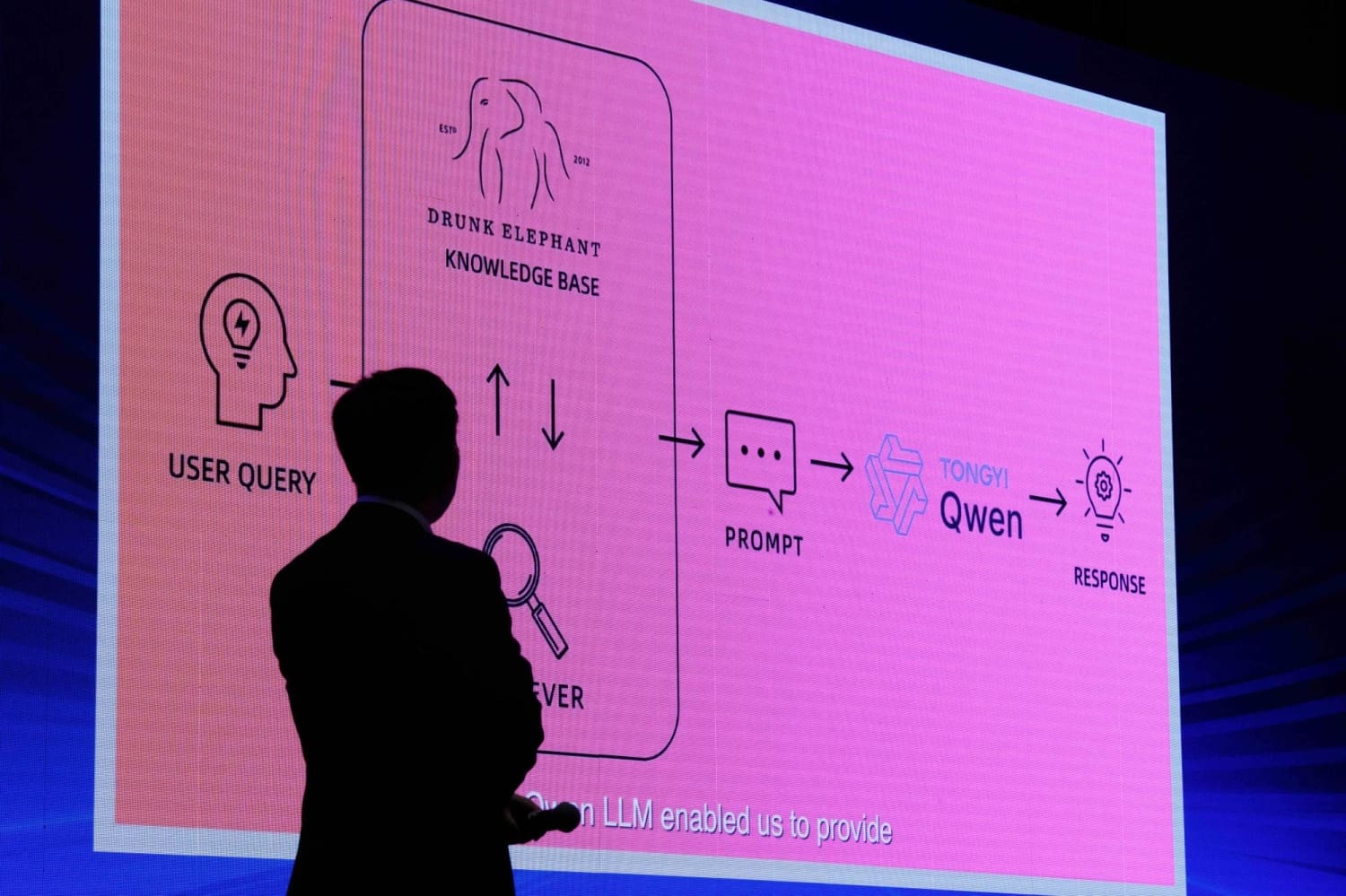
Alibaba Cloud hosted an AI Tech Day event in Kuala Lumpur in February 2025, signaling the platform's commitment to expanding its Malaysian footprint. The event underscored a broader trend: global technology firms are treating Malaysia as a viable alternative to Singapore and more established hubs, particularly for projects requiring significant land and energy resources.
Infrastructure Advantage
Malaysia offers reliable electricity at competitive rates, a critical factor for data centers that consume vast amounts of power. The country's national grid has capacity to spare, and state utility Tenaga Nasional has been working with tech companies to secure long-term supply agreements. This stands in contrast to Singapore, which has imposed a moratorium on new data center developments due to energy constraints.
The Malaysian government has also introduced targeted tax breaks for data center operators and semiconductor firms. Companies investing in high-tech facilities can access pioneer status incentives, which grant partial or full income tax exemptions for up to ten years. These measures have made Malaysia more attractive than neighboring Thailand and Indonesia, where regulatory frameworks remain less developed.
Semiconductor Momentum
Beyond cloud infrastructure, Malaysia is seeing renewed interest from the semiconductor industry. The country already hosts assembly, testing, and packaging operations for major chipmakers, and recent export control tensions have prompted firms to diversify their manufacturing footprint. Malaysia's established supply chain network and skilled workforce make it a natural choice for companies looking to de-risk production.
Intel, Infineon, and several other chip firms have expanded or announced plans to expand their Malaysian operations over the past eighteen months. These investments are not limited to legacy processes; some involve advanced packaging techniques that sit at the high end of the value chain.
Regional Context
Malaysia's rise comes as other Southeast Asian economies grapple with infrastructure bottlenecks and policy uncertainty. Vietnam has attracted manufacturing investment but lacks the power grid stability needed for large-scale data centers. Thailand's political environment has deterred some foreign investors, while Indonesia's regulatory complexity remains a hurdle.
Singapore continues to lead in financial services and high-value tech, but land scarcity and energy limits have pushed certain types of infrastructure investment elsewhere. Malaysia is positioned to capture the spillover, particularly for projects that require physical space and reliable utilities.
Fiscal Impact
The influx of tech investment is already visible in Malaysia's economic data. The country's GDP growth has outpaced regional averages, and exports of electronics and related components have climbed. The government expects tech sector investment to contribute meaningfully to fiscal revenues over the next five years, even accounting for tax incentives.
Employment in tech-related sectors has also risen, though questions remain about whether the workforce can scale quickly enough to meet demand. Malaysia's universities produce engineering graduates, but competition for talent with Singapore and other regional hubs is intensifying.
What Comes Next
Malaysia's challenge will be sustaining momentum as other countries refine their own incentive packages and infrastructure. Thailand is upgrading its power grid, and Indonesia is working to streamline investment approvals. If Malaysia wants to maintain its edge, it will need to continue improving ease of doing business and ensure that its energy infrastructure keeps pace with demand.
For now, the country is capitalizing on a rare alignment of factors: available capacity, competitive pricing, and a regulatory environment that has proven more nimble than many expected. Whether this translates into long-term leadership in Asia's tech landscape will depend on execution over the next several years.
RELATED STORIES
OpenAI Secures Multi-Year Malaysia Data Centre Deal with Firmus
Jun-ho Seo · 3 min

Southeast Asia's Data Centre Rush Faces Power Grid Reality
Mariel D. Santos · 4 min

Penang Captures 34% of Malaysia's Manufacturing Investment in First Half
Anand Sundaram · 2 min

Top Glove Projects Strong FY2026 Results on Tighter Supply and Rising Prices
Anand Sundaram · 3 min
Spot something wrong? Email editor@briefasia.com. We log every correction publicly.