Asia · Business
LG Electronics Exits Chinese Manufacturing After 30 Years in Huizhou
South Korean electronics giant winds down operations at its oldest mainland production facility as it reshapes Asia footprint
KEY TAKEAWAYS
- ·LG Electronics will close its Huizhou facility in China by October after more than 30 years of operations at the site.
- ·The shutdown reflects broader manufacturing shifts among Korean electronics firms diversifying production across Vietnam, Indonesia, and India.
- ·The closure does not end LG's China presence but signals continued reassessment of manufacturing footprints amid changing economics and strategy.
Manufacturing Retreat
LG Electronics will shut down operations at its Huizhou facility in southern China by October, according to the company. The closure marks the end of more than 30 years at the site, which holds the distinction of being LG's inaugural production subsidiary on the mainland.
The decision reflects a broader recalibration of manufacturing strategies among South Korean technology firms operating in China. While LG has not disclosed workforce numbers or production volumes at the Huizhou location, the plant has historically served as a hub for consumer electronics assembly, including audio equipment and home appliances.
The timing aligns with a period of significant restructuring across Asia's electronics supply chain. Companies are reassessing their Chinese manufacturing footprints amid shifting cost structures, evolving trade dynamics, and changes in domestic market demand. For LG, the Huizhou closure follows years of strategic pivots that have seen the company exit smartphone manufacturing entirely and refocus on premium home appliances, automotive components, and business-to-business solutions.
Strategic Context for Korean Manufacturers
LG's move comes as South Korean manufacturers navigate a complex landscape in China. The country remains the world's largest consumer electronics market, yet production economics have shifted dramatically since the 1990s, when foreign firms rushed to establish manufacturing presence to capture growth and leverage lower labor costs.
Rising wages, increased automation in other Asian markets, and geopolitical considerations have all contributed to a reassessment of China-based production. LG itself has expanded manufacturing capacity in Vietnam, Indonesia, and India over the past decade, diversifying its Asia production base beyond Greater China.
The Huizhou facility's closure does not signal a complete LG withdrawal from China. The company maintains research and development centers, sales operations, and other production sites across the country. However, the decision to shutter its oldest mainland plant underscores how even long-established facilities face scrutiny when operational and strategic conditions change.
Regional Manufacturing Shifts
The broader trend among electronics manufacturers has been to distribute production across multiple Southeast Asian and South Asian countries. Vietnam has emerged as a particularly attractive destination, drawing investment from Samsung, LG, and other Korean firms. The country offers competitive labor costs, improving infrastructure, and preferential trade agreements that facilitate exports to key markets including the United States and Europe.
Indonesia and Thailand have also benefited from this redistribution, particularly for appliances and consumer electronics aimed at regional markets. India represents another strategic priority, with its large domestic market and government incentives for local manufacturing through production-linked schemes.
For China, the departure of established foreign manufacturers like LG poses questions about the future composition of its electronics sector. Domestic brands have gained substantial market share in consumer electronics, reducing reliance on foreign-branded products in many categories. At the same time, China's own manufacturers are expanding overseas production, mirroring the diversification strategies of their Korean and Japanese counterparts.
Operational Transition
The October timeline for the Huizhou shutdown suggests LG is allowing several months for production wind-down, inventory management, and workforce transition. The company has not detailed plans for the facility itself or disclosed whether it will be sold, repurposed, or retained for non-manufacturing functions.
Production shifts of this scale typically involve complex logistics. Supply chain relationships must be reconfigured, quality assurance protocols transferred to new sites, and customer commitments managed through the transition. For a facility operating for three decades, institutional knowledge and vendor relationships represent significant intangible assets that must be preserved or replicated elsewhere.
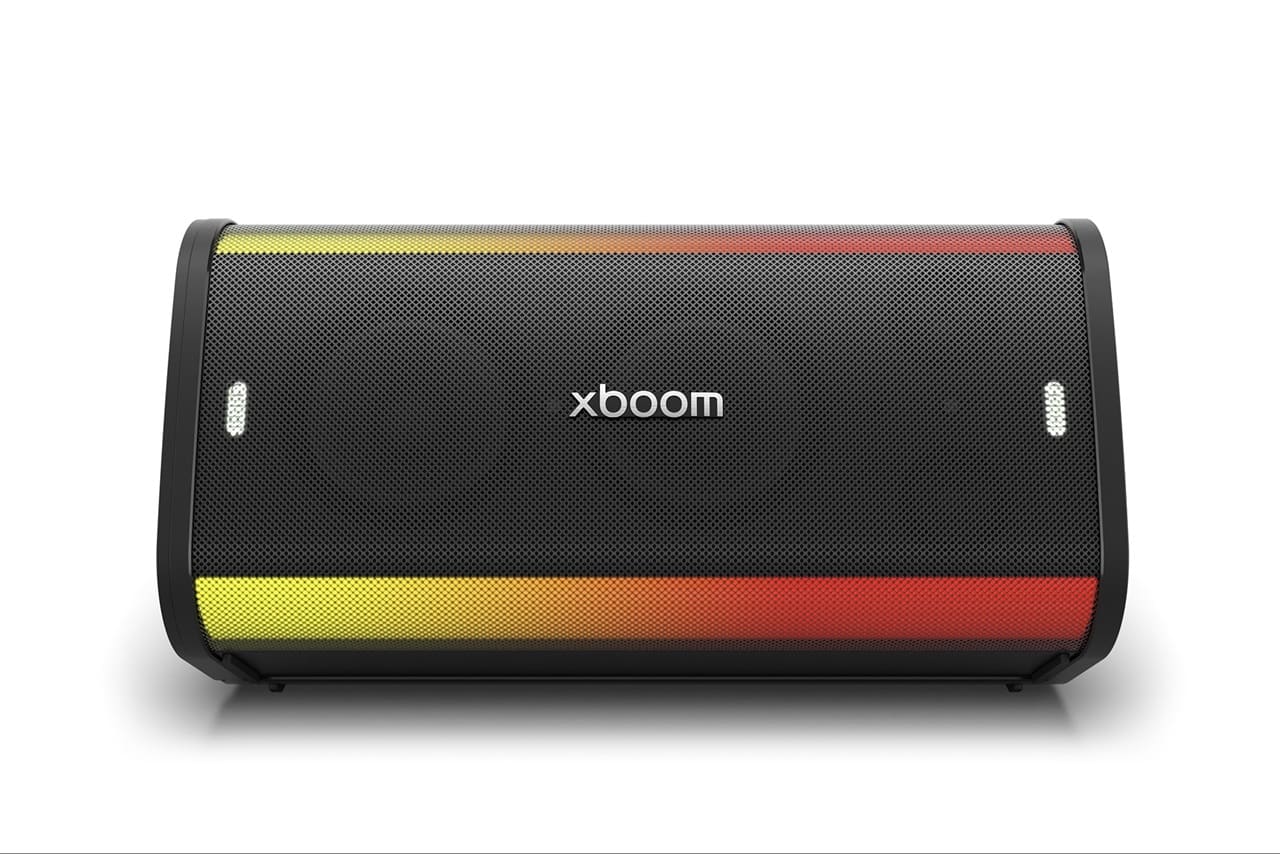
LG has been investing in AI-enabled audio products and smart home ecosystems, categories that require different manufacturing capabilities than traditional consumer electronics. The company's xboom audio line, for instance, integrates voice recognition and connectivity features that demand closer coordination between hardware assembly and software integration. These products are increasingly manufactured at facilities with advanced automation and proximity to engineering teams.
Asia Electronics Landscape
The Huizhou closure sits within a larger narrative of Asia's evolving electronics manufacturing ecosystem. While China remains central to global supply chains, particularly for components and specialized manufacturing processes, final assembly for many consumer products has dispersed.
This dispersion reflects multiple factors: labor arbitrage, supply chain resilience strategies, tariff and trade policy responses, and proximity to end markets. Companies are no longer optimizing solely for cost but balancing risk, flexibility, and market access.
For smaller suppliers and contract manufacturers in the Huizhou region, LG's departure may create both challenges and opportunities. Some may lose a key customer, while others could repurpose capacity for emerging domestic brands or other foreign firms seeking established facilities.
The longer-term implications for South Korea's electronics giants involve maintaining competitiveness while managing higher production costs and more complex supply chains. Success will depend on their ability to extract value through design, branding, and technology leadership rather than manufacturing scale alone.
As LG prepares to power down production lines in Huizhou, the closure serves as a tangible marker of how quickly manufacturing geography can shift in Asia's technology sector, even for facilities with decades of operational history.
RELATED STORIES
Malaysia's Rare Earth Deposits Draw Foreign Interest Ahead of China Export Controls
Priyanka V. Rao · 3 min

Volkswagen Probes Chinese Supplier After Hundreds of New Graduates Dismissed
Cheng Wei-Lun · 3 min
Honda Demands 30% Price Cuts From Suppliers in $9.4 Billion Cost Plan
Cheng Wei-Lun · 3 min

Beijing Warns Domestic EV Makers Against Overseas Price Wars
Cheng Wei-Lun · 3 min
Spot something wrong? Email editor@briefasia.com. We log every correction publicly.