Finance · Markets
LG Display Narrows Q2 Loss as Panel Market Stabilizes
South Korean display maker posts operating deficit of $72.77 million in second quarter, swings to first-half operating profit on modest revenue gains
KEY TAKEAWAYS
- ·LG Display reported a second-quarter operating loss of KRW107.7 billion, or approximately $72.77 million, with revenue of KRW5.61 trillion.
- ·The operating deficit narrowed 7% from the KRW116.0 billion loss in the same quarter of 2025, marking sequential progress.
- ·The results indicate a swing to operating profit for the first half, driven by OLED investments and capacity optimization amid Chinese competition.
Quarterly Performance Shows Modest Improvement
LG Display disclosed an operating loss of KRW107.7 billion (approximately $72.77 million) for the second quarter, according to an interim, unaudited filing submitted to South Korea's Financial Supervisory Service on July 22. The Seoul-based panel manufacturer generated revenue of KRW5.61 trillion during the period, holding essentially steady compared to the same quarter in 2025.
The operating deficit represented a 7% improvement from the KRW116.0 billion loss recorded in the second quarter of 2025, signaling incremental progress in the company's effort to return to profitability. Sequential revenue climbed 1% from the first quarter, suggesting demand conditions remained relatively stable through the spring months.
First-Half Turnaround
The quarterly figures translate into a swing to operating profit for the first half of the year, marking a notable shift for the display maker after sustained pressure from oversupply and pricing volatility in global panel markets. LG Display has faced intense competition from Chinese manufacturers while navigating softening demand in key segments including televisions and IT displays.
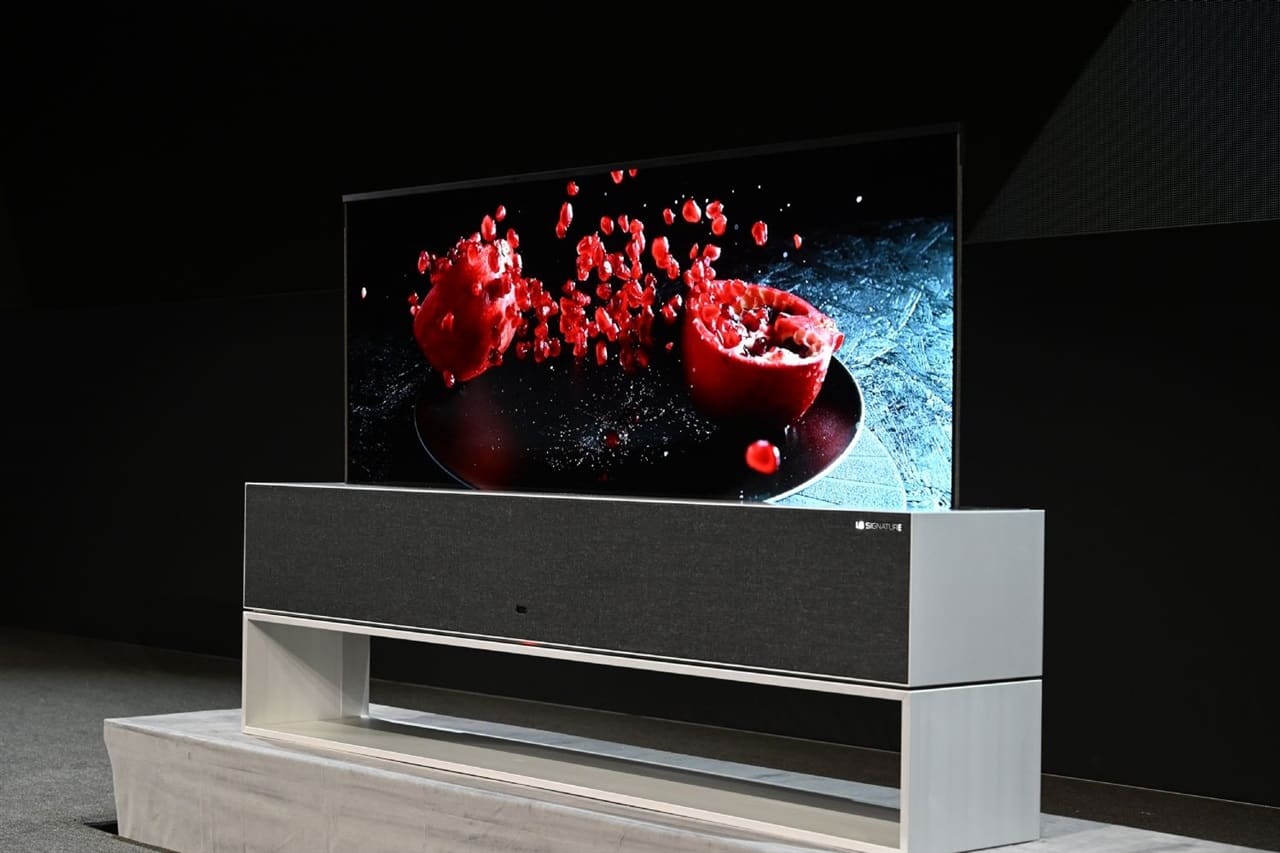
The company's ability to narrow losses reflects adjustments made across its production footprint, including capacity optimization and a strategic pivot toward higher-margin OLED panels for premium smartphones and automotive applications. LG Display has been investing heavily in organic light-emitting diode technology, positioning itself as a key supplier to Apple and other flagship device makers.
Regional Context
The results arrive as South Korea's display industry contends with structural challenges rooted in China's aggressive capacity expansion. Beijing has poured subsidies into domestic panel makers, enabling them to capture market share in commodity LCD segments and compress margins for established players like LG Display and Samsung Display.
Seoul-based manufacturers have responded by retreating from low-margin LCD production and doubling down on advanced OLED technologies where they maintain a technological edge. LG Display operates large-scale OLED fabs in Paju and Guangzhou, serving both the consumer electronics and automotive sectors as automakers increasingly adopt flexible displays for dashboard and infotainment systems.
The company's financial trajectory will hinge on its ability to ramp OLED shipments while managing cost structures at legacy LCD lines. Analysts expect continued volatility in panel pricing through the second half as inventory levels adjust across the supply chain, though demand for premium displays in smartphones and electric vehicles offers a path toward sustained profitability.
Outlook and Investor Sentiment
Market participants will watch closely for management commentary when the company reports audited second-quarter earnings in the coming weeks. Key indicators include utilization rates at OLED facilities, customer mix shifts, and progress on next-generation display technologies such as micro-LED and transparent panels.
LG Display's stock performance has tracked broader sentiment around the display sector, with investors weighing cyclical headwinds against long-term growth drivers tied to electric vehicle adoption and flexible form factors. The company's ability to sustain sequential improvement while navigating macroeconomic uncertainty will be critical to restoring investor confidence and justifying continued capital expenditures in advanced display technologies.
RELATED STORIES
Samsung Biologics Plans $2.2 Billion Rights Offering to Fund Peptide Acquisition
Jun-ho Seo · 3 min
Samsung Electronics Drops 8% as Market Questions Buyback Strategy
Cheng Wei-Lun · 2 min
SK Hynix Union Rejects Wage Deal in Razor-Thin Vote
Cheng Wei-Lun · 3 min
Nexon Commits $179M to Gaming IP Fund Targeting Asian Developers
Cheng Wei-Lun · 3 min
Spot something wrong? Email editor@briefasia.com. We log every correction publicly.