Technology · Dev
Kumamoto Chip Facilities Resume Operations After Earthquake
Sony and TSMC plants in southern Japan begin recovery following seismic disruption to critical semiconductor production
KEY TAKEAWAYS
- ·Semiconductor facilities operated by Sony and TSMC in Kumamoto Prefecture have begun restarting production after earthquake disruptions.
- ·Kumamoto hosts critical chip manufacturing capacity serving automotive and electronics supply chains across Asia.
- ·Recovery speed will determine impact on regional supply chains still sensitive to semiconductor production interruptions.
Production Resumes in Japan's Chip Hub
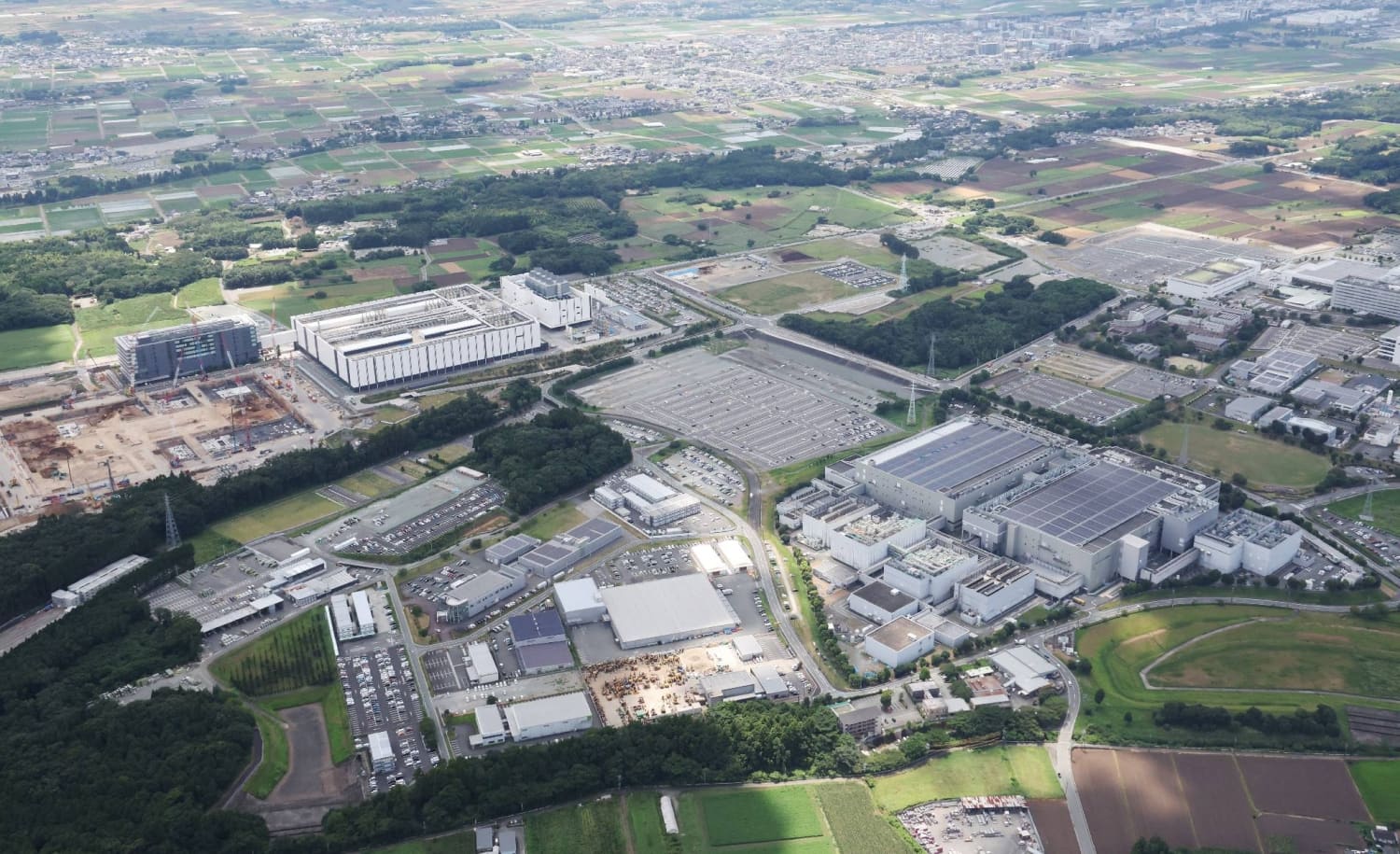
Semiconductor manufacturing facilities in Kumamoto Prefecture have begun resuming operations following earthquake disruptions that threatened output in one of Asia's most important chip production regions. The recovery marks a critical step for supply chains that depend on the southern Japanese prefecture's advanced manufacturing capacity.
Sony's Kumamoto Technology Center and Taiwan Semiconductor Manufacturing Co.'s Kumamoto plant, both located in Kikuyo town, are among the facilities working to restore normal production levels. The sites represent significant investments in Japan's semiconductor industry, with TSMC's presence reflecting broader efforts to diversify chip manufacturing across Asia.
Strategic Importance of Kumamoto
Kumamoto has emerged as a cornerstone of Japan's semiconductor strategy over the past several years. The prefecture hosts advanced fabrication facilities that produce chips for applications ranging from consumer electronics to automotive systems, making continuity of operations critical for multiple industries.
TSMC's facility in Kumamoto represents the Taiwanese giant's first major production site in Japan, part of a broader push by Tokyo to strengthen domestic chip manufacturing capabilities. The plant produces specialized semiconductors using mature process nodes that remain essential for many industrial applications, even as cutting-edge facilities in Taiwan and elsewhere push toward smaller geometries.
Sony's technology center in the region supports both the company's image sensor business and broader semiconductor operations. Image sensors manufactured in Kumamoto supply smartphone makers and camera manufacturers worldwide, creating dependencies that extend well beyond Japan's borders.
Earthquake Impact and Response
The earthquake that struck the region disrupted production at a time when semiconductor supply chains remain sensitive to any interruption. While full details of the damage and recovery timeline have not been disclosed, the ability of facilities to begin restarting operations suggests structural integrity was maintained and critical equipment avoided catastrophic damage.
Japan's semiconductor facilities are designed with seismic resilience in mind, incorporating engineering standards that account for the country's earthquake-prone geography. Clean rooms and fabrication equipment include isolation systems and automated shutdown protocols intended to minimize damage during seismic events.
The speed of recovery will depend on several factors beyond structural damage. Semiconductor manufacturing requires extraordinarily stable environmental conditions, and even brief interruptions can compromise work-in-progress wafers. Facilities must verify that clean room conditions meet specifications, that process equipment has maintained calibration, and that materials and chemicals remain uncontaminated before full production can resume.
Regional Supply Chain Implications
The disruption in Kumamoto carries implications for supply chains across Asia. Japanese semiconductor production feeds into manufacturing ecosystems throughout the region, with chips from Kumamoto facilities incorporated into products assembled in China, Southeast Asia, and elsewhere.
For TSMC, the Kumamoto facility represents a test of the company's geographic diversification strategy. While the plant's output is modest compared to TSMC's massive Taiwan operations, its role in serving Japanese customers and demonstrating production capabilities outside Taiwan holds strategic significance.
The automotive sector faces particular sensitivity to disruptions in Kumamoto's output. Japanese automakers rely on locally produced semiconductors for vehicle systems, and any extended production delays could ripple through assembly schedules. The industry has only recently recovered from earlier chip shortages that idled production lines and constrained vehicle deliveries.
Recovery Timeline and Industry Monitoring
Industry observers will watch closely for updates on when facilities reach full production capacity. Even after physical operations resume, ramping back to normal output levels can take weeks as manufacturers work through quality verification and rebuild inventories of work-in-progress materials.
The incident underscores ongoing questions about concentration risk in semiconductor manufacturing. While companies have invested in geographic diversification, critical production remains clustered in earthquake-prone regions of East Asia. Japan, Taiwan, and South Korea together account for the majority of advanced chip production, all located along the Pacific Ring of Fire.
For now, the focus remains on Kumamoto's recovery. The prefecture's semiconductor facilities employ thousands of workers and anchor local economies, making their return to operation important beyond supply chain considerations. As production restarts, the resilience built into Japan's chip infrastructure faces a real-world test that will inform future investment and planning decisions across Asia's semiconductor industry.
RELATED STORIES
Asian Tech Stocks Surge as Weak US Jobs Data Dims Rate Hike Outlook
Cheng Wei-Lun · 4 min

Rashi Peripherals and Restar Form Joint Venture to Expand Semiconductor Services in India
Priyanka V. Rao · 2 min
Ajinomoto Lifts Forecast as AI Server Demand Drives Semiconductor Material Sales
Cheng Wei-Lun · 3 min
Japan Embeds Cyber Defense in Air Force Systems as AI Threats Grow
Aiko Nakamura · 4 min
Spot something wrong? Email editor@briefasia.com. We log every correction publicly.