Finance · Markets
Korean Won Gains Ground After US-Japan Yen Support Operation
First coordinated currency intervention since 1998 lifts sentiment across Asian FX markets, with Seoul watching closely as won trades back toward 1,300 per dollar
KEY TAKEAWAYS
- ·The US Treasury and Japan's Finance Ministry conducted their first joint yen support operation since 1998, marking a significant policy shift.
- ·The Korean won strengthened following the intervention as traders treat it as a liquid proxy for the yen in regional currency markets.
- ·Seoul gains breathing space without deploying reserves, though lasting effects depend on whether intervention signals sustained policy coordination.
Coordinated Move Breaks Decades of Silence
The US Treasury stepped into foreign exchange markets Monday alongside Japan's Finance Ministry, purchasing yen in the first coordinated intervention to support the Japanese currency since 1998. The move marks a sharp departure from years of hands-off policy and signals that Washington views yen weakness as a shared concern rather than a bilateral Japanese problem.
Policymakers in both capitals confirmed the operation, though neither disclosed the scale of purchases. The last time the two governments jointly intervened to prop up the yen was during the Asian financial crisis, when the currency had tumbled past 147 per dollar. This time, the yen had weakened to levels not seen in over two decades, driven by the widening interest rate gap between the Federal Reserve and the Bank of Japan.
The intervention carried immediate weight across Asian currency markets. Within hours, the Korean won strengthened against the dollar, climbing back toward levels that had eluded it for months. Market participants in Seoul noted the swift transmission, a reminder that regional currencies remain tightly linked through trade flows, carry trades, and investor positioning.
Why the Won Moves With the Yen
Currency traders have long treated the won as a liquid alternative to the yen, particularly when hedging exposure to Northeast Asian growth or adjusting risk in carry strategies. The two currencies share similar sensitivity to shifts in US monetary policy, Chinese demand cycles, and global risk appetite. When the yen weakens sharply, the won typically follows, and vice versa.
That correlation has intensified over the past year as both currencies faced pressure from elevated US Treasury yields and a resilient dollar. South Korea's export-heavy economy, like Japan's, benefits from a weaker currency in theory, but excessive depreciation raises import costs and complicates monetary policy for the Bank of Korea. A yen that falls too fast can pull the won down with it, creating unwelcome inflation pressure and capital outflow risks.
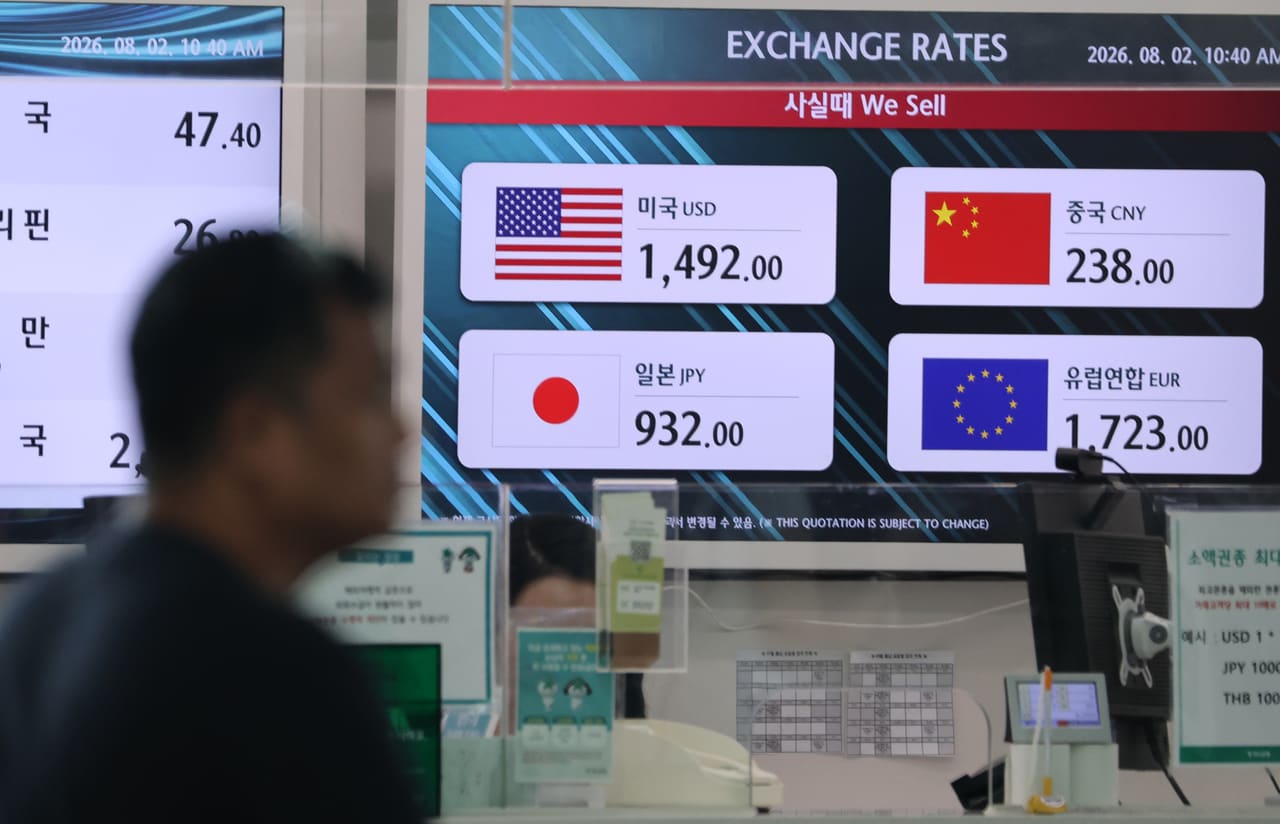
The joint US-Japan action effectively placed a floor under the yen, giving the won room to recover without Seoul needing to deploy its own reserves. For Korean policymakers, the intervention offers breathing space. The won had been trading well above 1,300 per dollar in recent sessions, a threshold that tends to draw concern from exporters and importers alike.
Seoul's Quiet Relief
South Korea has not formally intervened in currency markets in recent months, preferring verbal warnings and occasional smoothing operations. But officials have made clear that excessive volatility is unwelcome, particularly when it stems from external shocks rather than domestic fundamentals. The US-Japan move provides an indirect form of support, stabilizing a key reference currency without forcing Seoul to spend down foreign exchange reserves.
Market analysts in Seoul noted that the won's rebound could prove short-lived if the underlying drivers of yen weakness persist. The Bank of Japan remains committed to ultra-loose monetary policy, while the Federal Reserve has signaled that rates will stay elevated for an extended period. That combination continues to favor the dollar over both the yen and the won, absent further intervention or a shift in central bank guidance.
Still, the fact that the US participated in Monday's operation carries symbolic weight. It suggests that Treasury officials view competitive devaluation in Asia as a potential risk to global financial stability, and that they are willing to act preemptively rather than waiting for disorderly moves. For Seoul, that precedent could prove valuable if the won comes under renewed pressure later in the year.
What Comes Next
The immediate question is whether Monday's intervention will be a one-time event or the start of a more sustained effort to manage yen levels. Historical precedent suggests that single interventions rarely produce lasting effects unless backed by changes in underlying policy. The 1998 operation was followed by a gradual shift in Japanese monetary conditions and a stabilization of regional growth, factors that helped the yen find a floor.
This time, those conditions are less clear. Japan's inflation remains below target, and the Bank of Japan shows little inclination to tighten policy in the near term. The US, meanwhile, is navigating its own inflation challenges and cannot afford to see the dollar weaken too much without risking imported price pressures. That leaves a narrow corridor for the yen and the won to stabilize without triggering fresh imbalances elsewhere.
For Korean exporters, a won trading near 1,300 per dollar offers a manageable balance between competitiveness and input costs. Electronics and semiconductor firms benefit from currency stability when planning production and pricing, particularly in markets where they compete directly with Japanese rivals. A sharp divergence between the yen and the won can distort those calculations, making Monday's intervention a welcome development even if its effects prove temporary.
Currency markets will be watching closely for any follow-up signals from Washington, Tokyo, or Seoul. Further joint action would suggest a coordinated effort to manage Asian FX volatility, a shift that could reshape how regional policymakers approach exchange rate management in an era of persistent dollar strength.
RELATED STORIES

US and Japan Stage First Joint Yen Intervention in 28 Years
Cheng Wei-Lun · 3 min

Asian Tech Stocks Surge as Weak US Jobs Data Dims Rate Hike Outlook
Cheng Wei-Lun · 4 min
Yen Slides Back Toward 160 as Joint Intervention Fades
Cheng Wei-Lun · 3 min
Japan Logs First Current Account Deficit in 17 Months as Dividends Flow Abroad
Aiko Nakamura · 3 min
Spot something wrong? Email editor@briefasia.com. We log every correction publicly.