Finance · Deals
Korean Air Defense Firms Eye Export Surge as Regional Tensions Escalate
DS Investment forecasts rising demand for interceptor missiles as Middle East conflict depletes global stockpiles, positioning Seoul's defense contractors for growth
KEY TAKEAWAYS
- ·DS Investment & Securities forecasts increased demand for South Korean M-SAM II and L-SAM interceptor systems as sustained Middle East conflict depletes global missile stockpiles.
- ·LIG Defense & Aerospace and Hanwha Aerospace are positioned to benefit, with Korean defense exports reaching USD 17.3 billion in 2025 and missile systems capturing growing market share.
- ·Production capacity constraints and geopolitical considerations may limit near-term gains, with manufacturing ramp-up requiring 12 to 18 months even under expedited investment.
Stockpile Depletion Creates Opening
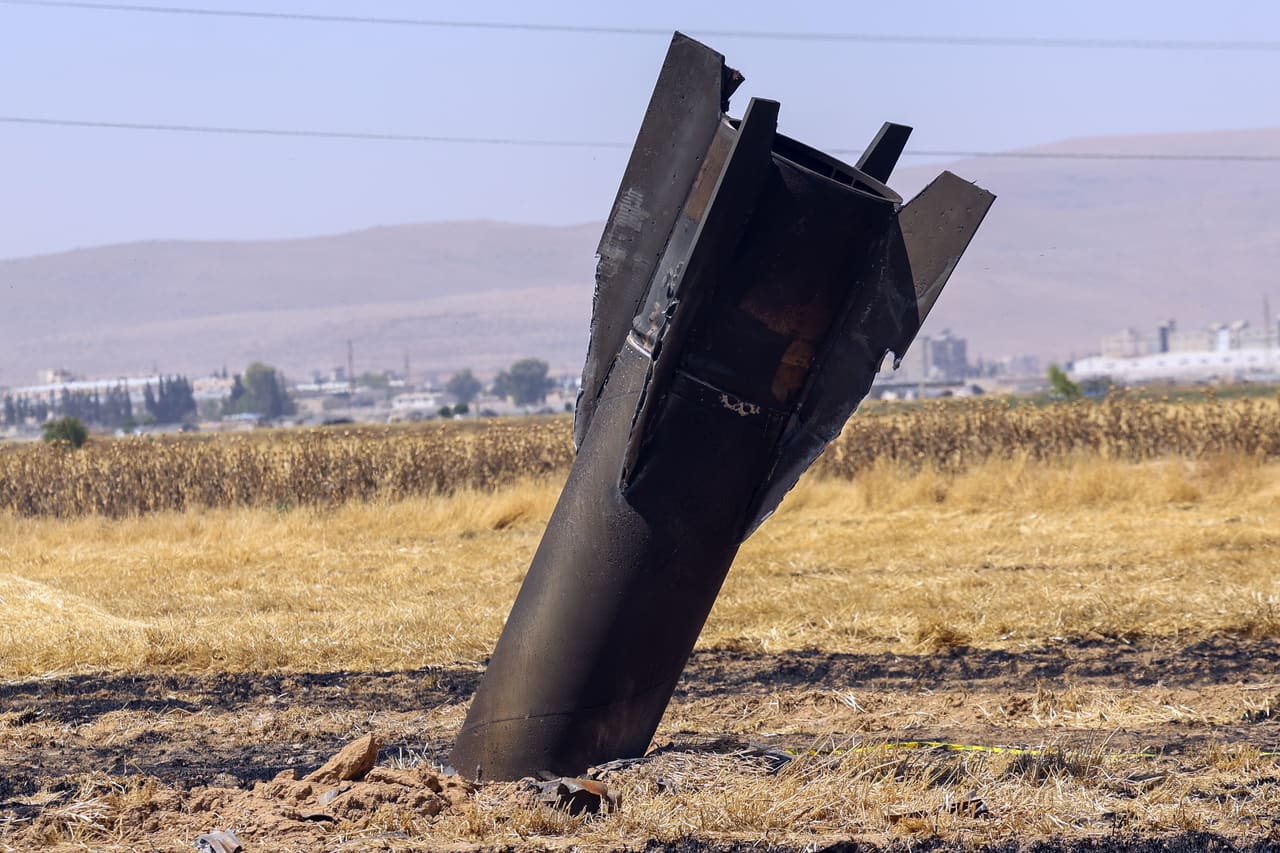
The ongoing US-Iran confrontation is creating unexpected opportunities for South Korea's defense industry, particularly manufacturers of surface-to-air missile systems. Countries involved in or near the conflict zone are rapidly depleting their interceptor missile inventories, and Seoul's proven technologies are emerging as attractive alternatives for replenishment.
DS Investment & Securities identified this trend in a briefing Monday, noting that sustained missile attacks have forced nations to reassess their air defense capabilities. The brokerage specifically named LIG Defense & Aerospace and Hanwha Aerospace as companies positioned to capture a larger share of the global interceptor market.
The analysis centers on two systems: the M-SAM II medium-range surface-to-air missile and the L-SAM long-range interceptor. Both represent mature platforms that have completed domestic testing and entered production, giving Korean contractors an advantage over competitors still in development phases.
Seoul's Strategic Position
South Korea's defense exports have grown significantly over the past three years, driven by a combination of competitive pricing, proven battlefield performance in allied nations, and willingness to transfer technology. The country's defense shipments reached USD 17.3 billion in 2025, according to government trade data, with missile systems accounting for a growing portion of that total.
The M-SAM II, developed jointly by LIG Nex1 and Hanwha Systems, offers interception capabilities against aircraft, cruise missiles, and short-range ballistic missiles at ranges up to 40 kilometers. The system has been operationally deployed with South Korea's military since 2023 and has attracted interest from Middle Eastern buyers seeking alternatives to American Patriot batteries.
L-SAM, the longer-range variant designed to counter ballistic missiles at altitudes exceeding 50 kilometers, completed its final development phase last year. While not yet exported, the system is undergoing qualification trials with potential customers in Europe and the Gulf region.
Regional Defense Budgets Expand
The shift in procurement patterns reflects broader changes in how nations approach air defense. Traditional suppliers, particularly the United States, face production bottleneck constraints as they prioritize domestic needs and commitments to NATO allies. This has opened space for secondary suppliers like South Korea, which operates with shorter lead times and more flexible contract terms.
Middle Eastern countries have been particularly active in diversifying their defense procurement. The United Arab Emirates and Saudi Arabia have both conducted technical evaluations of Korean missile systems over the past 18 months, though no contracts have been publicly announced. Qatar and Kuwait are also reported to be in early-stage discussions.
DS Investment estimates that the addressable market for interceptor missiles could expand by 30 to 40 percent over the next two years if current conflict intensity persists. The brokerage noted that each major engagement can consume dozens of interceptors, and that stockpile replenishment cycles typically take 18 to 24 months even under expedited procurement.
Production Capacity Questions
The optimistic export outlook depends on Korean manufacturers' ability to scale production without disrupting domestic supply commitments. South Korea maintains its own substantial air defense requirements given the security environment on the peninsula, and any export surge would need to be balanced against those obligations.
LIG Defense operates two production facilities capable of manufacturing missile components, while Hanwha Aerospace has expanded its guidance systems manufacturing over the past year. Both companies have indicated willingness to invest in additional capacity if firm export orders materialize, but neither has announced concrete expansion plans.
Analysts note that ramping production typically requires 12 to 18 months even with funding in place, meaning that near-term export gains may be constrained by current output levels. Longer-term growth potential remains strong, particularly if Korean systems perform well in operational environments and generate follow-on orders.
The defense sector's export ambitions also face geopolitical considerations. Seoul must navigate relationships with both Washington and regional buyers, balancing commercial interests against alliance commitments. The government has historically required US approval for certain technology transfers, adding a layer of complexity to contract negotiations.
Market Positioning
Korean defense firms have adopted a pragmatic approach to international sales, emphasizing cost-effectiveness and technology transfer rather than competing solely on capability. This strategy has proven successful in markets where buyers prioritize sovereignty and domestic manufacturing over absolute performance.
The current geopolitical environment appears to favor this positioning. Countries seeking to reduce dependence on single suppliers are actively evaluating alternatives, and South Korea's willingness to accommodate offset requirements and co-production arrangements makes it an attractive partner.
Whether this translates into sustained revenue growth will depend on factors beyond Korean manufacturers' control, including the duration of current conflicts, budget priorities in buyer nations, and the competitive response from established defense exporters. For now, Seoul's defense contractors are positioning themselves to capitalize on a window of opportunity created by global instability and shifting procurement patterns.
RELATED STORIES
Samsung Electronics Drops 8% as Market Questions Buyback Strategy
Cheng Wei-Lun · 2 min
Samsung Biologics Plans $2.2 Billion Rights Offering to Fund Peptide Acquisition
Jun-ho Seo · 3 min
Index Funds Face Hidden Concentration Risk From AI Boom
Cheng Wei-Lun · 3 min
Japan Deploys $96.5 Billion in Currency Intervention to Halt Yen's Slide
Aiko Nakamura · 3 min
Spot something wrong? Email editor@briefasia.com. We log every correction publicly.