Asia · Business
Kishida Calls for Bold Growth Strategy to Reverse Yen Weakness
Former Japanese prime minister argues structural economic reforms are essential to stabilizing currency and restoring investor confidence in Asia's second-largest economy

KEY TAKEAWAYS
- ·Former Prime Minister Fumio Kishida called for comprehensive growth strategy to address yen weakness, emphasizing structural reforms over currency intervention.
- ·The yen has traded near multi-decade lows in 2026, raising concerns about import costs and competitiveness across Japanese industry.
- ·Kishida's comments increase pressure on current leadership to demonstrate credible commitment to productivity gains and labor market reforms.
A Post-Office Economic Vision
Fumio Kishida, who stepped down as Japan's prime minister earlier this year, is pressing for sweeping structural reforms he believes can reverse the yen's persistent weakness. In a recent interview in Tokyo, the former leader argued that a comprehensive growth strategy represents the most viable path forward for stabilizing the currency and restoring confidence in Japan's economic trajectory.
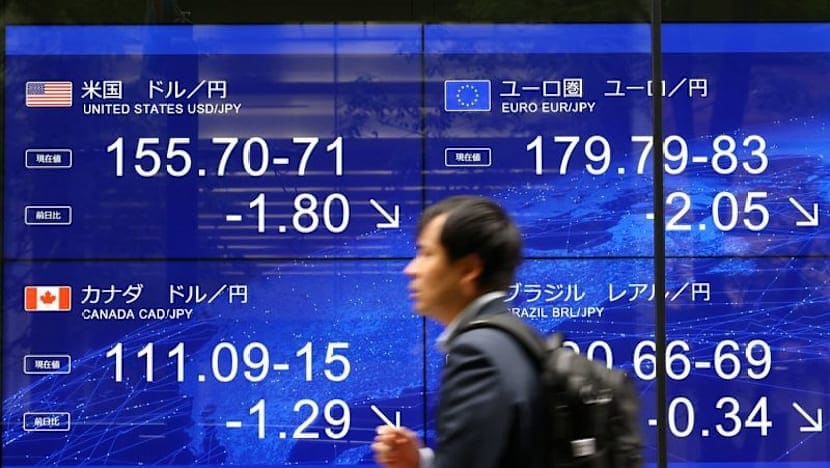
The yen has traded near multi-decade lows against the dollar throughout 2026, raising concerns among policymakers and businesses about import costs, inflation pressures, and the broader competitiveness of Japanese industry. While the Bank of Japan has maintained its ultra-loose monetary stance for years, currency volatility has intensified debates over whether fiscal policy, structural reform, or monetary tightening offers the best remedy.
Kishida's comments signal his continued engagement with economic policy despite no longer holding executive power. His tenure as prime minister was marked by efforts to balance fiscal stimulus with long-term sustainability, though critics argued his administration struggled to articulate a clear vision for reversing Japan's decades-long stagnation.
Structural Reform Over Intervention
The former prime minister emphasized that currency intervention alone cannot address the underlying factors driving yen depreciation. Instead, he pointed to productivity enhancements, labor market flexibility, and corporate governance improvements as fundamental pillars of any durable solution.
Japan's productivity growth has lagged behind other advanced economies for years, constrained by an aging workforce, rigid employment practices, and slow adoption of digital technologies in traditional sectors. Kishida argued that unlocking this potential requires coordinated action across government ministries, the private sector, and regional authorities.
His comments come as Japan grapples with inflation rates that, while modest by global standards, represent a significant shift from the deflationary environment that prevailed for much of the past three decades. Wage growth remains sluggish, limiting household purchasing power and dampening domestic consumption.
Regional Context and Investor Sentiment
The yen's trajectory has broader implications for Asia's financial architecture. As one of the region's traditional safe-haven currencies, sustained weakness complicates capital flows and hedging strategies for multinational corporations operating across the continent. It also affects Japan's competitive position relative to South Korea, Taiwan, and China in export-intensive sectors such as semiconductors, automobiles, and precision machinery.
Kishida suggested that demonstrating a credible commitment to growth-oriented policies could shift investor perceptions and attract long-term capital inflows. Japan's stock market has seen periodic rallies when reform momentum appears to build, though sustained gains have proven elusive without follow-through on implementation.
The challenge for current policymakers is translating high-level strategy into concrete measures that produce measurable results. Previous reform initiatives have often stalled amid bureaucratic resistance, political fragmentation, and the difficulty of balancing short-term economic stability with long-term transformation.
Pressure on Current Leadership
Kishida's public remarks add to the pressure facing his successor, who inherited an economy still searching for a sustainable growth model. The current administration must navigate competing priorities including fiscal consolidation, social security reform, and defense spending increases amid heightened regional security tensions.
Currency policy remains a sensitive topic in Tokyo, where officials have historically preferred verbal intervention over aggressive market operations. The Ministry of Finance retains authority over foreign exchange policy, while the Bank of Japan focuses on price stability through monetary tools. Coordination between these institutions has not always been seamless, particularly when short-term market pressures conflict with longer-term policy objectives.
The former prime minister's emphasis on growth strategy reflects a recognition that Japan's economic challenges cannot be solved through monetary policy alone. Structural issues including demographic decline, regional depopulation, and corporate reluctance to embrace risk require sustained political commitment and cross-party consensus.
The Road Ahead
Whether Kishida's vision gains traction will depend partly on how current leadership responds to mounting economic headwinds. The yen's performance in coming months will hinge on a complex mix of domestic policy signals, U.S. Federal Reserve decisions, and broader shifts in global capital allocation.
For now, the former prime minister's intervention underscores the ongoing debate within Japan's policy establishment over how best to position the economy for a more dynamic future. His call for bold action reflects both the urgency of the currency question and the recognition that incremental adjustments may no longer suffice in a rapidly evolving regional landscape.
RELATED STORIES
Japanese Companies Push for Currency Stability as Weak Yen Squeezes Margins
Aiko Nakamura · 3 min

Japan Prepares Alternative Career Track to Boost UN Representation
Aiko Nakamura · 3 min

Modi Set to Address Nation Amid Job Crisis as SMIC Reports Earnings
Priyanka V. Rao · 4 min

Yen Slides Back Toward 160 as Joint Intervention Fades
Cheng Wei-Lun · 3 min
Spot something wrong? Email editor@briefasia.com. We log every correction publicly.