Finance · Deals
Jardine Cycle & Carriage Hands Shareholders Direct Toyota Stakes
Singapore conglomerate's unusual US$0.36-per-share equity transfer marks first such move in group's capital management playbook
KEY TAKEAWAYS
- ·Jardine Cycle & Carriage is distributing roughly 7.2 million Toyota Motor shares directly to shareholders, valued at US$0.36 per JC&C share, alongside a US$0.37 cash component.
- ·Parent Jardine Matheson Holdings, which owns 86 percent of JC&C, will retain its Toyota allocation to preserve commercial ties without triggering open-market sales.
- ·The transfer completes JC&C's exit from non-core stakes and supports its rebranding as Jardine Matheson South-east Asia, with dealership network sales reportedly under consideration.
Equity Transfer Instead of Cash Sale
Jardine Cycle & Carriage unveiled plans to pass roughly 7.2 million Toyota Motor common shares straight to its own shareholders, valued at approximately US$0.36 per JC&C share. The equity handoff forms half of a US$0.73 special payout; the other half is a US$0.37 cash component funded by earlier Tokyo share sales this April. When combined with a US$0.28 interim ordinary payout, the total reaches US$1.01 per share.
Investors holding 100 JC&C shares will receive about 1.828 Tokyo-listed Toyota shares. Those unwilling to manage foreign odd lots can elect to liquidate their entitlement and receive net cash proceeds instead. JC&C shares climbed more than 7 percent in intra-day trading after the announcement.
Most corporates prefer to monetise holdings completely and distribute cash. Handing over equities directly is far less common, yet it preserves a link between minority investors and the underlying asset's future performance. It also lets shareholders decide for themselves whether to hold or sell.
Parent Company Keeps Its Allocation
Jardine Matheson Holdings, which controls roughly 86 percent of JC&C, will retain every Toyota share it receives under the transfer. That decision keeps the parent's commercial relationship with the Japanese carmaker intact without forcing open-market sales or creating excess cash on the balance sheet.
"Jardine Matheson plans to hold on to the shares it receives as the Toyota relationship is important for the group," Jayden Vantarakis, head of Asean equity research at Macquarie Capital, explained. The structure delivers value realisation to minority holders while preserving strategic ties at the group level.
This marks the first time the Jardine group has executed such a transfer, adding a new mechanism to its capital allocation toolkit. Vantarakis noted that the approach achieves two goals: simplifying JC&C into a cleaner intermediate holding vehicle and consolidating smaller investment positions under the parent umbrella.
Portfolio Streamlining Accelerates
The Toyota handoff is the latest step in a broader portfolio overhaul. JC&C has already exited positions in Siam City Cement and reduced its stake in Vinamilk. The company is also rebranding itself as Jardine Matheson South-east Asia, signaling a tighter geographic and operational mandate.
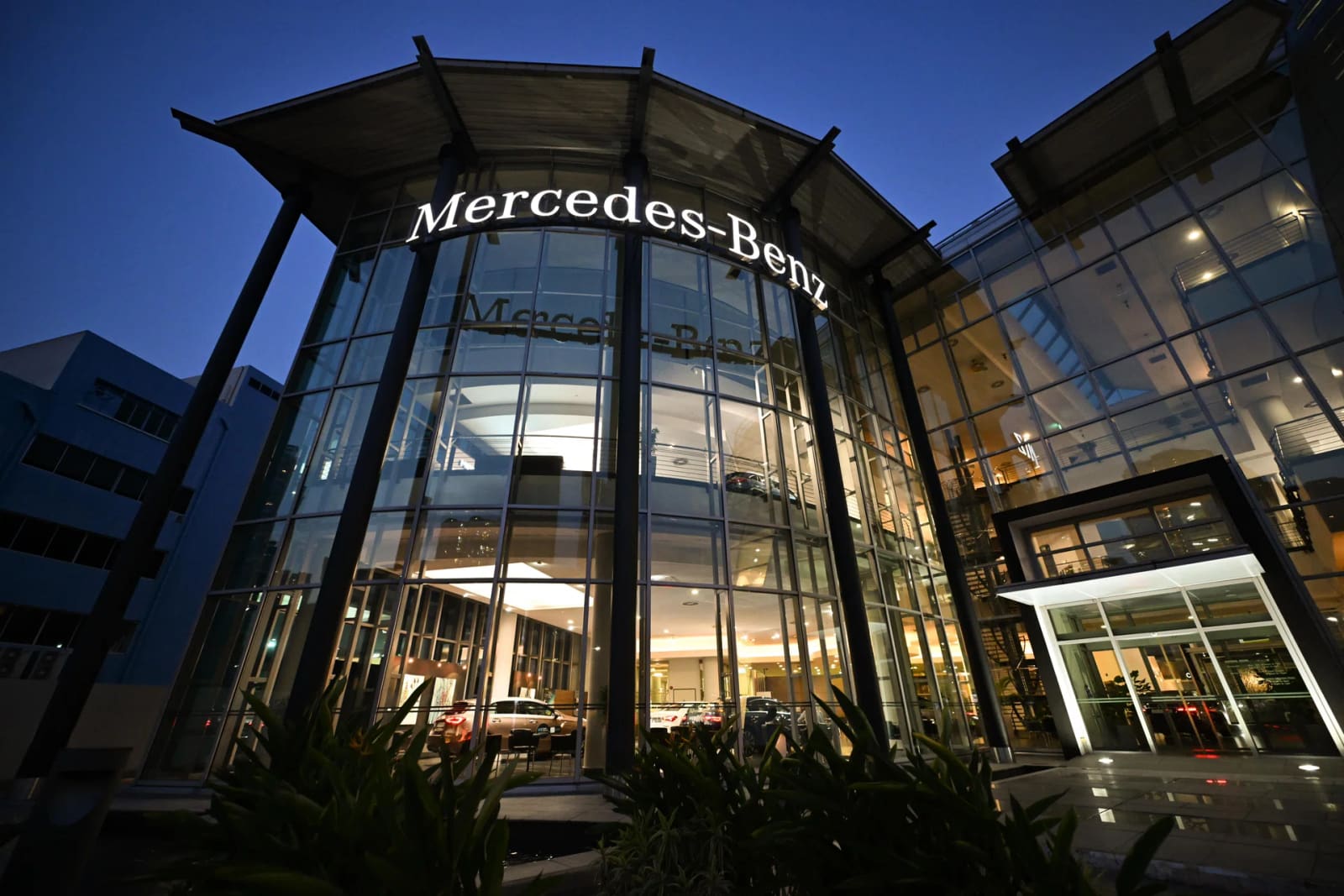
Reports suggest JC&C is exploring the sale of car dealership networks in Singapore and Malaysia, including franchises for Mercedes-Benz, Mitsubishi, Kia, Citroen, and Peugeot. Those distribution businesses have been longstanding operations, but they no longer align with the group's narrowed focus.
DBS analyst Elizabelle Pang described the special payout as evidence of a sharpened capital allocation strategy following a strategic review. By returning proceeds from the Toyota stake directly, JC&C signals confidence in its ability to deploy capital more efficiently within its core Southeast Asian footprint.
Trade-Offs for Retail Holders
Minority retail investors gain direct exposure to Toyota Motor, a global automotive leader with its own growth trajectory and dividend policy. That autonomy can be valuable, especially for those bullish on Japan's export-driven manufacturing sector or Toyota's electric-vehicle roadmap.
The downside is operational complexity. Shareholders must manage Tokyo-listed odd lots, navigate Japanese yen exchange risk, and handle cross-border custody arrangements if they choose to hold. For investors who prefer simplicity, the cash election removes those frictions but forfeits any upside from Toyota's share price or currency movements.
The structure also reflects JC&C's intent to unlock value without diluting the parent company's strategic interests. By giving minority holders a choice, the conglomerate balances liquidity needs with relationship preservation, a calculation that matters more in family-controlled groups with multi-decade partnerships.
Regional Capital Management Blueprint
The move could serve as a template for other Southeast Asian conglomerates sitting on legacy stakes in regional or global partners. Rather than triggering capital gains tax events or depressing share prices through block sales, handing equities directly to investors shifts the liquidity decision downstream.
For JC&C, the Toyota transfer completes another chapter in its transformation from a diversified holding company into a focused Southeast Asian operator. The April share sales and this equity handoff together eliminate a non-core position while rewarding shareholders who stuck with the stock through its strategic pivot.
Investors will watch whether the dealership sales materialise and how aggressively JC&C redeploys the freed-up capital. The company's rebranding and portfolio pruning suggest management is betting on concentration rather than diversification, a shift that aligns with broader trends among Asia's family conglomerates seeking to compete with private equity on returns.
RELATED STORIES
Singapore's Big Three Banks Post Solid First-Half Gains as Wealth Offsets Margin Pressure
Priyanka V. Rao · 3 min
Singapore Banks Hit Record Highs on Wealth Management Surge
Priyanka V. Rao · 2 min
Allianz Acquires HSBC Singapore Insurance Operations in $2.3 Billion Deal
Priyanka V. Rao · 3 min

Singapore Expands Bank Network for Financial Crime Intelligence Platform
Priyanka V. Rao · 3 min
Spot something wrong? Email editor@briefasia.com. We log every correction publicly.