Finance · Markets
Japanese Yen Slides Toward ¥165 Mark After Steepest Weekly Drop in Two Months
The currency hit a fresh four-decade low, reigniting concerns over intervention as the dollar strengthens against Asia's major currencies.
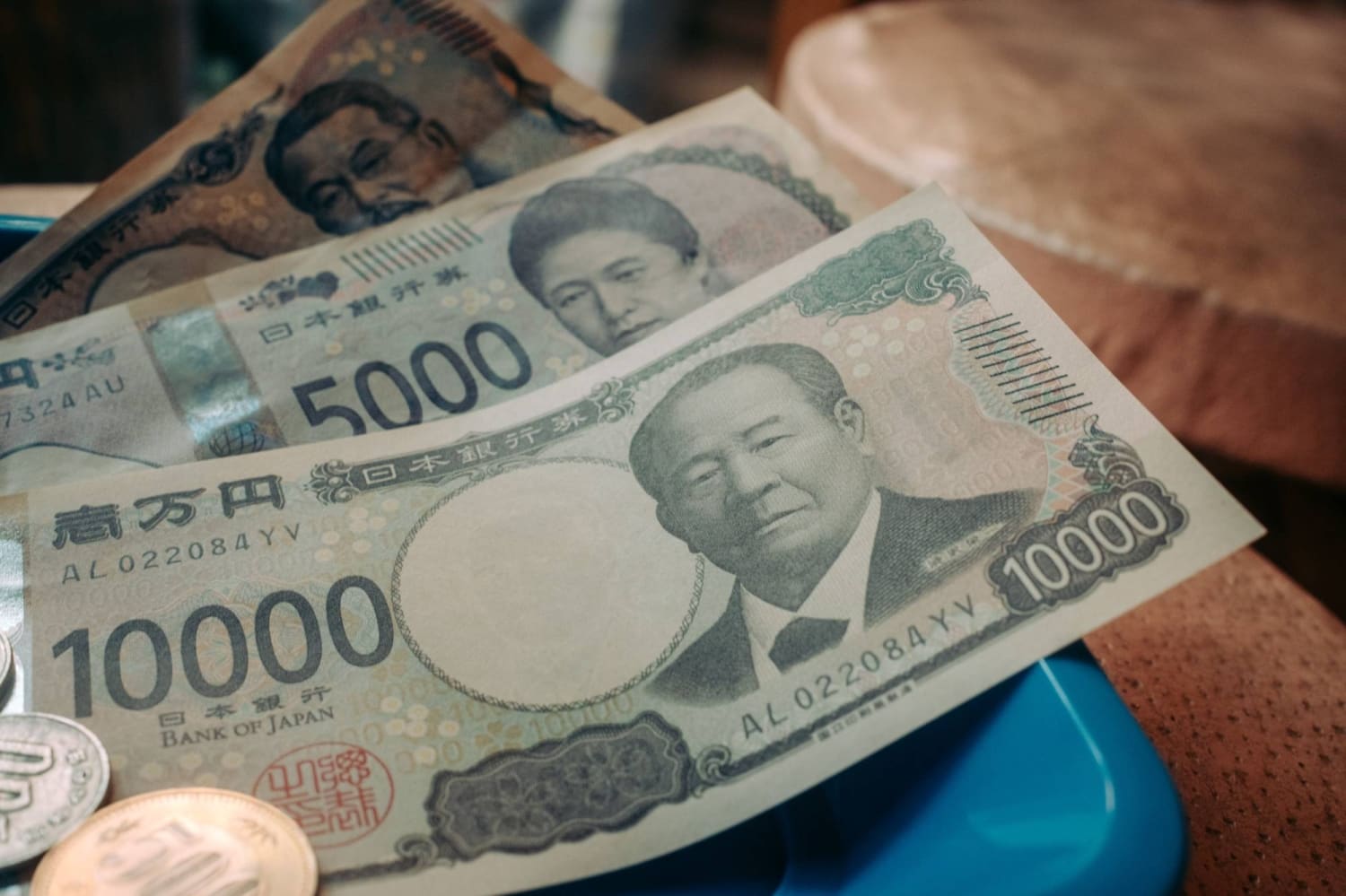
KEY TAKEAWAYS
- ·The Japanese yen fell to ¥163.99 against the dollar, its weakest level in 40 years, following the steepest weekly drop since May.
- ·The ¥165 threshold is closely watched by Tokyo policymakers, who spent ¥9.8 trillion on interventions during April and May.
- ·Rate divergence between the Federal Reserve's 5.25 to 5.50 percent range and the Bank of Japan's 0.1 percent policy rate continues to pressure the currency.
Fresh Four-Decade Low
The Japanese yen touched ¥163.99 against the dollar on Thursday, marking its weakest point in four decades and extending a slide that has brought the currency perilously close to the ¥165 threshold. The move caps the yen's steepest weekly decline since May, a period that saw Tokyo authorities intervene repeatedly to stem the currency's fall.
The ¥165 level carries particular significance for policymakers. During previous episodes of yen weakness, Japanese officials have stepped into markets when the currency approached or breached round-number psychological barriers. The Ministry of Finance spent an estimated ¥9.8 trillion on dollar sales in April and May to support the yen, though officials have declined to confirm specific intervention dates or amounts.
Market participants are now watching for signals from Tokyo. Chief Cabinet Secretary statements and Finance Ministry press conferences have become closely scrutinized events, with traders parsing language for hints of tolerance thresholds. The last round of interventions temporarily pushed the yen back toward ¥156, but those gains evaporated within weeks as underlying rate differentials reasserted themselves.
Rate Divergence Drives Pressure
The yen's decline reflects a fundamental divergence in monetary policy trajectories. The Federal Reserve has maintained its benchmark rate in the 5.25 percent to 5.50 percent range, while the Bank of Japan holds its policy rate at 0.1 percent following a modest March adjustment from negative territory. That gap makes dollar-denominated assets more attractive to yield-seeking investors and encourages carry trades that borrow in yen to invest in higher-yielding currencies.
Japanese exporters have enjoyed a windfall from the weaker yen, with major manufacturers reporting stronger earnings as overseas revenues translate into more yen. Toyota, Sony, and other globally oriented firms have revised profit forecasts upward, citing favorable exchange rate effects. But the currency's slide has squeezed households and smaller businesses reliant on imported energy and raw materials. Japan's trade deficit widened to ¥1.2 trillion in June, driven largely by rising import costs.
Inflation remains above the Bank of Japan's 2 percent target, hovering near 2.8 percent in recent months. Yet Governor Kazuo Ueda has signaled caution about further rate increases, emphasizing the need to assess wage growth and consumption trends before tightening policy. That dovish stance contrasts with more hawkish rhetoric from some Fed officials, who have left the door open to additional rate hikes if inflation proves persistent.
Regional Ripples
The yen's weakness is reverberating across Asian currency markets. The Korean won has slipped to multi-month lows against the dollar, prompting verbal warnings from Seoul's finance ministry. Thailand's baht and Indonesia's rupiah have also come under pressure, though both remain well above crisis-era levels. Central banks across the region face a dilemma: defending currencies risks depleting reserves and tightening domestic financial conditions, but allowing depreciation stokes imported inflation.
China's yuan has remained relatively stable within its managed trading band, supported by capital controls and occasional central bank guidance. Yet the renminbi's resilience contrasts with broader regional trends, creating competitive imbalances for exporters. Japanese manufacturers competing with Chinese counterparts in third markets have seen some advantage from the yen's slide, though rising input costs partially offset those gains.
Currency volatility has also affected portfolio flows. Foreign investors pulled ¥780 billion from Japanese equities in the week ending July 19, the largest outflow in three months. Bond markets have remained more stable, with the 10-year Japanese government bond yield holding near 1.1 percent, but cross-border hedging costs have climbed as market participants position for further yen weakness.
Intervention Calculus
Japanese authorities face difficult choices. Intervention can provide temporary relief, but without a shift in underlying rate differentials, any yen rebound is likely to prove fleeting. The Ministry of Finance has historically preferred verbal warnings and jawboning before deploying reserves, but markets have grown increasingly skeptical of such tactics. Previous interventions have succeeded only when coordinated with other major central banks or when market positioning became extreme and vulnerable to reversal.
The political dimension adds complexity. Prime Minister Fumio Kishida's approval ratings have slipped amid cost-of-living concerns, and opposition parties have seized on yen weakness as evidence of policy failure. Yet forcing the Bank of Japan to tighten prematurely could choke off nascent wage growth and derail the fragile economic recovery. Kishida's administration is caught between households demanding relief from import inflation and exporters benefiting from currency tailwinds.
Market participants expect volatility to remain elevated through the Federal Reserve's September policy meeting. If the Fed signals a prolonged pause or hints at rate cuts, the yen could find relief. Conversely, any hawkish surprises would likely push the currency through ¥165 and test the resolve of Japanese policymakers. Options markets are pricing in heightened uncertainty, with implied volatility for dollar-yen climbing to levels last seen during the May intervention episode.
The yen's trajectory will hinge on data releases over the coming weeks. U.S. employment and inflation figures will shape Fed expectations, while Japan's wage negotiations and consumption indicators will influence Bank of Japan deliberations. For now, the currency remains trapped between policy divergence and political pressure, with ¥165 looming as the next line in the sand.
RELATED STORIES
Yen Climbs to Eight-Month High as Rate Hike Expectations Shift Sentiment
Jun-ho Seo · 3 min

Bank of Japan Eyes Rate Increase as Inflation Risks Mount
Cheng Wei-Lun · 4 min

Japan Deploys $96.5 Billion in Currency Intervention to Halt Yen's Slide
Aiko Nakamura · 3 min

Japan Wage Growth Hits 29-Year High, Reinforcing Central Bank Rate Path
Aiko Nakamura · 3 min
Spot something wrong? Email editor@briefasia.com. We log every correction publicly.