Sustainability · Energy
Japanese Utilities Turn to Power Futures as Price Volatility Climbs
Generators and retailers increasingly use derivatives to manage exposure to sharp swings in electricity costs amid market uncertainty
KEY TAKEAWAYS
- ·Japanese power generators and retailers are increasing use of electricity futures to hedge against volatile wholesale prices driven by fuel costs and renewable integration.
- ·Trading volumes have risen notably over the past two years as extreme weather and retailer bankruptcies highlight the need for robust risk management tools.
- ·Tokyo and Kansai regions dominate futures liquidity, while Japan's fragmented grid structure requires utilities to manage exposure across multiple regional contracts.
Hedging Gains Traction
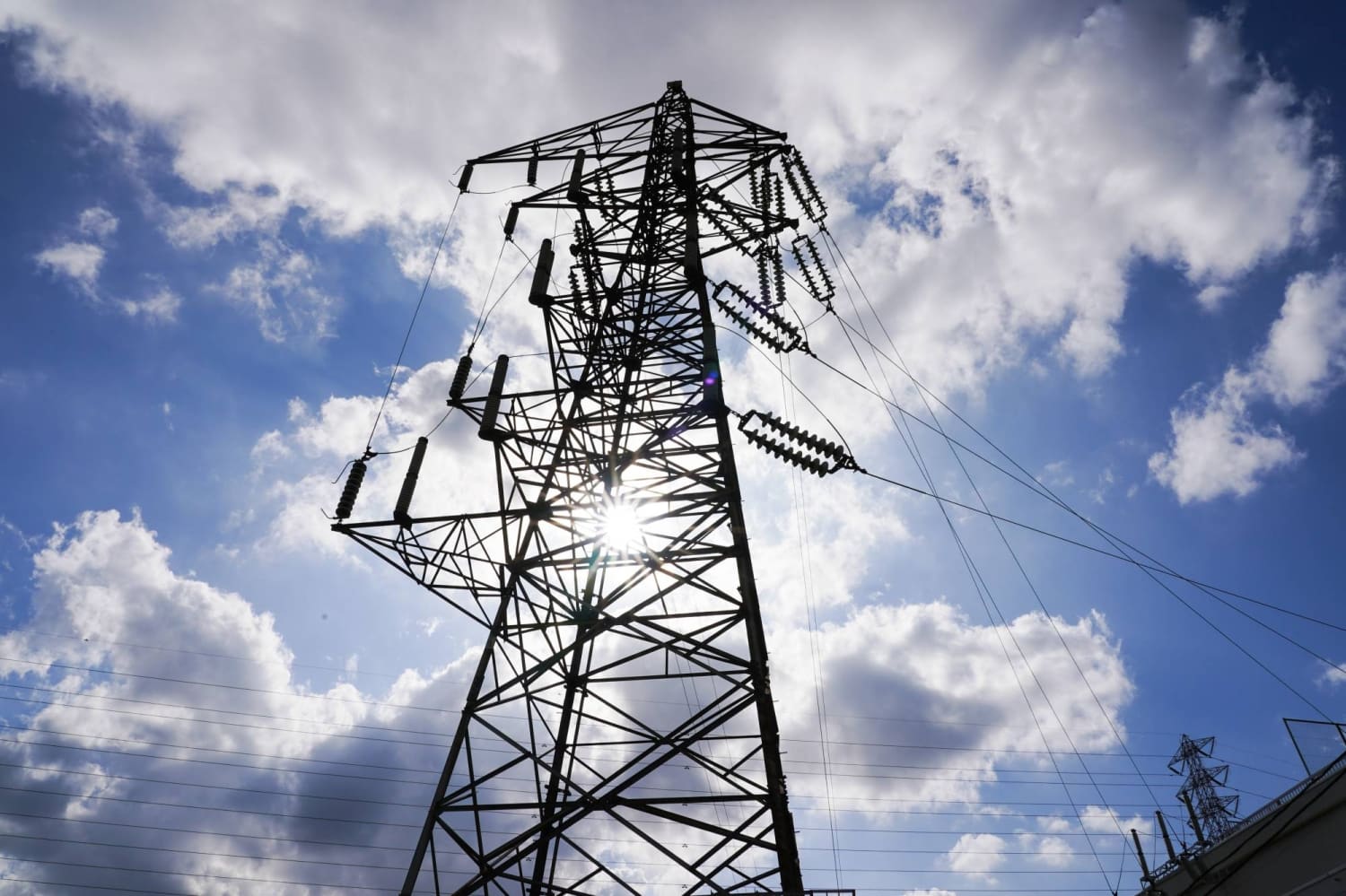
Japanese power generators and retailers are increasingly turning to electricity futures as a tool to manage exposure to volatile wholesale prices, a trend that reflects growing sophistication in the country's liberalized energy market. Trading volumes in power futures have climbed in recent months as utilities seek protection against sudden price movements that can erode margins and destabilize revenue projections.
The shift comes as Japan's electricity market faces persistent uncertainty. Fuel costs for liquefied natural gas and coal remain subject to global commodity swings, while the integration of intermittent renewable energy sources introduces additional variability into grid operations. Power retailers, many of which entered the market after liberalization in 2016, have found themselves particularly vulnerable to price spikes that can quickly turn profitable contracts into loss-making obligations.
Futures contracts allow market participants to lock in electricity prices for future delivery, effectively transferring price risk to counterparties willing to assume it. For generators with stable fuel supply agreements, selling futures can smooth revenue streams. Retailers, meanwhile, can use the instruments to hedge purchases and match their supply costs with the fixed-price contracts they offer customers.
Market Maturity Accelerates
Japan's power futures market has developed gradually since the establishment of the Japan Electric Power Exchange in 2003, but liquidity has deepened notably over the past two years. The exchange now offers monthly and quarterly contracts covering multiple regional grids, with open interest rising as both traditional utilities and new entrants participate.
Industry analysts point to several factors driving adoption. Extreme weather events have become more frequent, pushing air conditioning demand to record highs during summer months and straining grid capacity. Winter cold snaps have similarly triggered price surges when heating loads spike. These patterns have made it harder for retailers to forecast costs using historical data alone, prompting a search for more robust risk management tools.
Regulatory pressure has also played a role. Japan's Ministry of Economy, Trade and Industry has encouraged market participants to improve risk management practices following several high-profile retailer bankruptcies in recent years. Those failures, often triggered by sudden price jumps that left companies unable to cover procurement costs, underscored the dangers of operating without adequate hedges in a volatile market.
Regional Dynamics Shape Trading
Japan's fragmented grid structure adds complexity to power futures trading. The country operates ten regional transmission networks with limited interconnection capacity, meaning prices can diverge sharply between areas depending on local supply and demand conditions. Futures contracts are typically tied to specific regions, requiring market participants to manage exposure across multiple zones if they operate nationally.
Tokyo and Kansai, the two largest consumption centers, account for the bulk of futures trading volume. These regions have deeper liquidity and tighter bid-ask spreads, making it easier for participants to enter and exit positions. Smaller regional markets, by contrast, still see sporadic trading, which can limit the effectiveness of hedging strategies for utilities operating in those areas.
The rise in futures activity also reflects broader changes in Japan's power generation mix. As nuclear restarts proceed slowly and the share of solar and wind capacity grows, the correlation between fuel prices and electricity costs has weakened in some regions. This decoupling creates both opportunities and challenges for hedgers, who must account for weather-dependent generation patterns alongside traditional fuel price risk.
Forward Outlook
Continued growth in power futures usage will depend on sustained market liquidity and regulatory support. If trading volumes remain robust, the instruments could become a standard component of utility financial planning, reducing the frequency of retailer failures and contributing to overall market stability.
At the same time, the effectiveness of hedging strategies will be tested by Japan's ongoing energy transition. As the country aims to increase renewable capacity to meet climate targets, the electricity market will likely experience new forms of volatility tied to seasonal generation patterns and storage availability. How well futures markets adapt to these dynamics will shape their role in Japan's energy infrastructure over the coming decade.
RELATED STORIES

Japanese Investors Pour Money Into Foreign Assets After Yen Intervention
Cheng Wei-Lun · 3 min
Yen Heads for Steepest Weekly Drop Since May as Intervention Effect Fades
Cheng Wei-Lun · 3 min
Yen Slides Toward 160 per Dollar as Market Tests Tokyo's Resolve
Cheng Wei-Lun · 3 min

Formosa Plastics and Daicel Launch Chip Materials Joint Venture in Taiwan
Cheng Wei-Lun · 3 min
Spot something wrong? Email editor@briefasia.com. We log every correction publicly.