Lifestyle · Luxury
Japanese Luxury Shoppers Push Jewelry Sales to New Heights
Domestic demand at major department stores signals resilient appetite for high-end accessories despite broader economic uncertainty
KEY TAKEAWAYS
- ·Isetan Mitsukoshi Holdings reports jewelry and watches lead domestic sales at Japan's largest department store chain, reaching record levels driven by local shoppers.
- ·Affluent Japanese consumers are prioritizing luxury jewelry purchases over other discretionary categories, supported by wealth concentration and favorable pricing dynamics.
- ·The domestic strength contrasts with softer Chinese luxury demand and positions Japan as a distinct growth market within Asia's luxury retail landscape.
Domestic Demand Leads the Charge
Japan's luxury jewelry sector has reached new peaks, powered by local consumers who continue to spend on high-end timepieces and accessories. Isetan Mitsukoshi Holdings, the country's largest department store operator, reported that jewelry and watches remain the strongest performers in its domestic sales portfolio, according to a company spokesperson.
The surge reflects a broader pattern across Japan's retail landscape, where affluent shoppers are demonstrating sustained interest in premium goods even as global economic conditions remain mixed. The jewelry category has consistently outpaced other luxury segments in recent quarters, marking a shift in consumer priorities within the high-end market.
The Spending Profile
Several factors are converging to support this trend. Japan's wealth concentration among older demographics has created a stable base of buyers with significant purchasing power and appetite for investment-grade jewelry. At the same time, younger consumers are entering the luxury market through gateway purchases in watches and fine jewelry, often influenced by social media and celebrity endorsements.
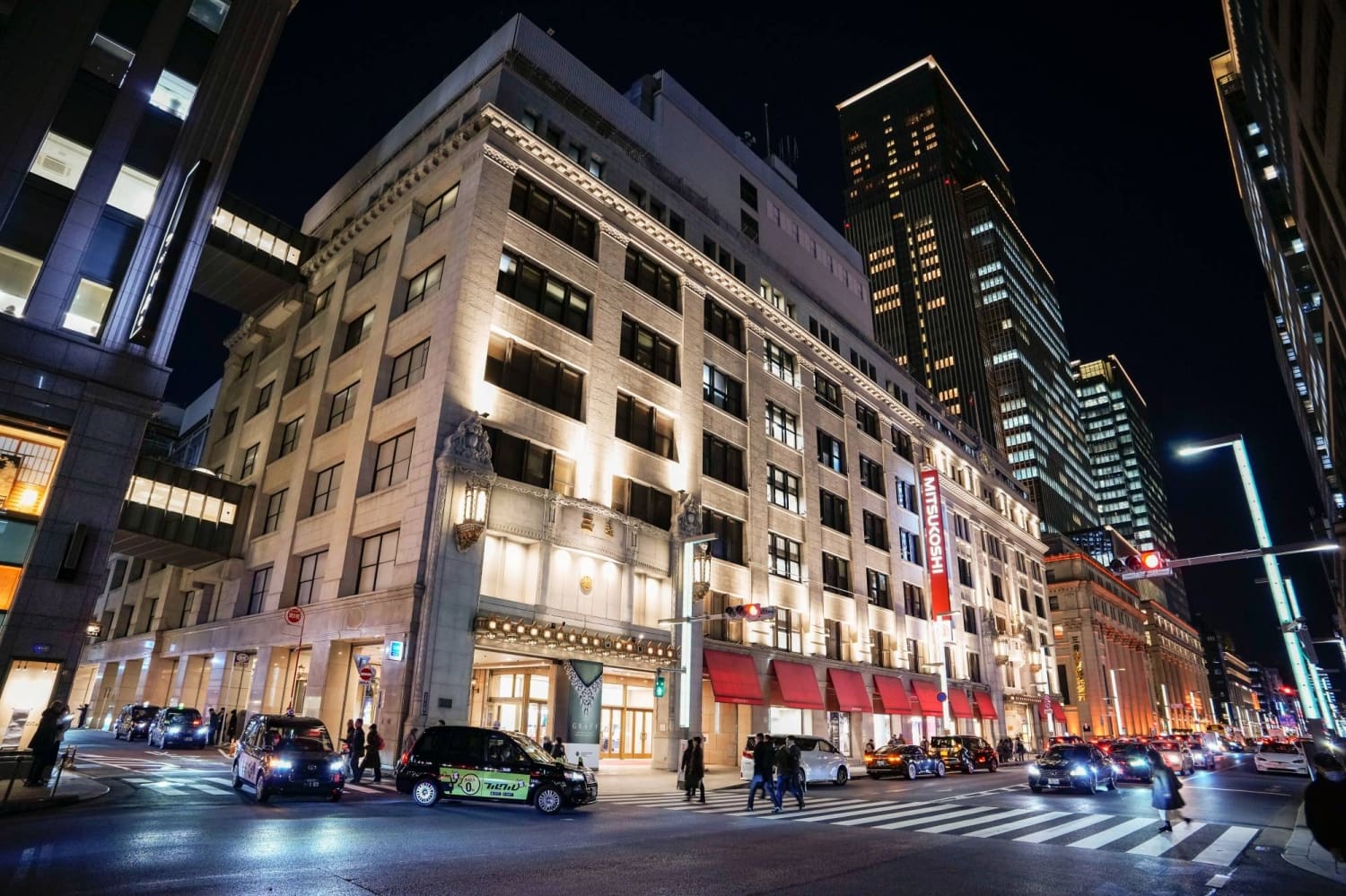
Currency dynamics have also played a role. While a weaker yen previously made Japanese luxury goods attractive to international tourists, the current environment has seen domestic buyers taking advantage of favorable pricing compared to overseas markets. This has shifted the sales mix toward local clientele at flagship locations like Mitsukoshi in Tokyo's Nihonbashi district.
The resilience of jewelry sales stands in contrast to softer performance in other discretionary categories. Department stores have noted that while apparel and home goods face headwinds, the jewelry segment continues to attract both repeat customers and new entrants to the luxury space.
Regional Context
Japan's luxury market dynamics differ markedly from patterns elsewhere in Asia. While Chinese consumers have historically driven regional luxury growth, regulatory changes and economic pressures have moderated spending from that market. South Korea and Southeast Asian buyers have picked up some of the slack, but Japan's domestic strength represents a distinct story.
The country's mature luxury ecosystem supports this performance. Decades of brand presence, sophisticated retail infrastructure, and deep consumer knowledge of quality and craftsmanship create conditions where local buyers make informed, high-value purchases. Japanese shoppers are known for their discernment, often researching extensively before committing to significant jewelry acquisitions.
Department stores have responded by expanding their jewelry offerings and enhancing in-store experiences. Private viewing rooms, personalized consultation services, and exclusive product launches have become standard features at top-tier locations. These investments appear to be paying off as customers seek not just products but curated experiences around their purchases.
What Comes Next
The sustainability of this growth will depend on several variables. Japan's economic trajectory, particularly wage growth and employment stability among affluent cohorts, will influence continued spending. Additionally, the return of international tourism to pre-pandemic levels could add another layer of demand, though current strength is notably domestic-driven.
Watch brands and jewelry houses are taking note. Several European luxury groups have announced plans to expand their presence in Japanese department stores, betting that the current momentum will persist. This could intensify competition for premium retail space and customer attention, potentially benefiting consumers through improved selection and service.
For now, the jewelry counters at Japan's leading department stores are seeing steady traffic and robust transaction values. The sector's performance offers a window into the spending habits of Japan's affluent consumers and suggests that luxury demand in the world's third-largest economy remains durable, even as global conditions shift.
RELATED STORIES
Uniqlo Doubles Down on Flagship Stores to Revive Brand in Home Market
Cheng Wei-Lun · 3 min
Japan Wage Growth Hits 29-Year High, Reinforcing Central Bank Rate Path
Aiko Nakamura · 3 min
Preferred Networks Eyes Public Listing to Scale AI Chip Production
Aiko Nakamura · 2 min
Yen Climbs to Eight-Month High as Rate Hike Expectations Shift Sentiment
Jun-ho Seo · 3 min
Spot something wrong? Email editor@briefasia.com. We log every correction publicly.