Lifestyle · Culture
Japanese Brewers Chase Sober Consumers with Zero-Alcohol Push
Major beverage makers are expanding their non-alcoholic and low-alcohol portfolios as health-conscious drinking reshapes Japan's traditional beer market.
KEY TAKEAWAYS
- ·Japanese brewers are expanding zero-alcohol and low-alcohol product lines as domestic beer sales decline and younger consumers drink less frequently.
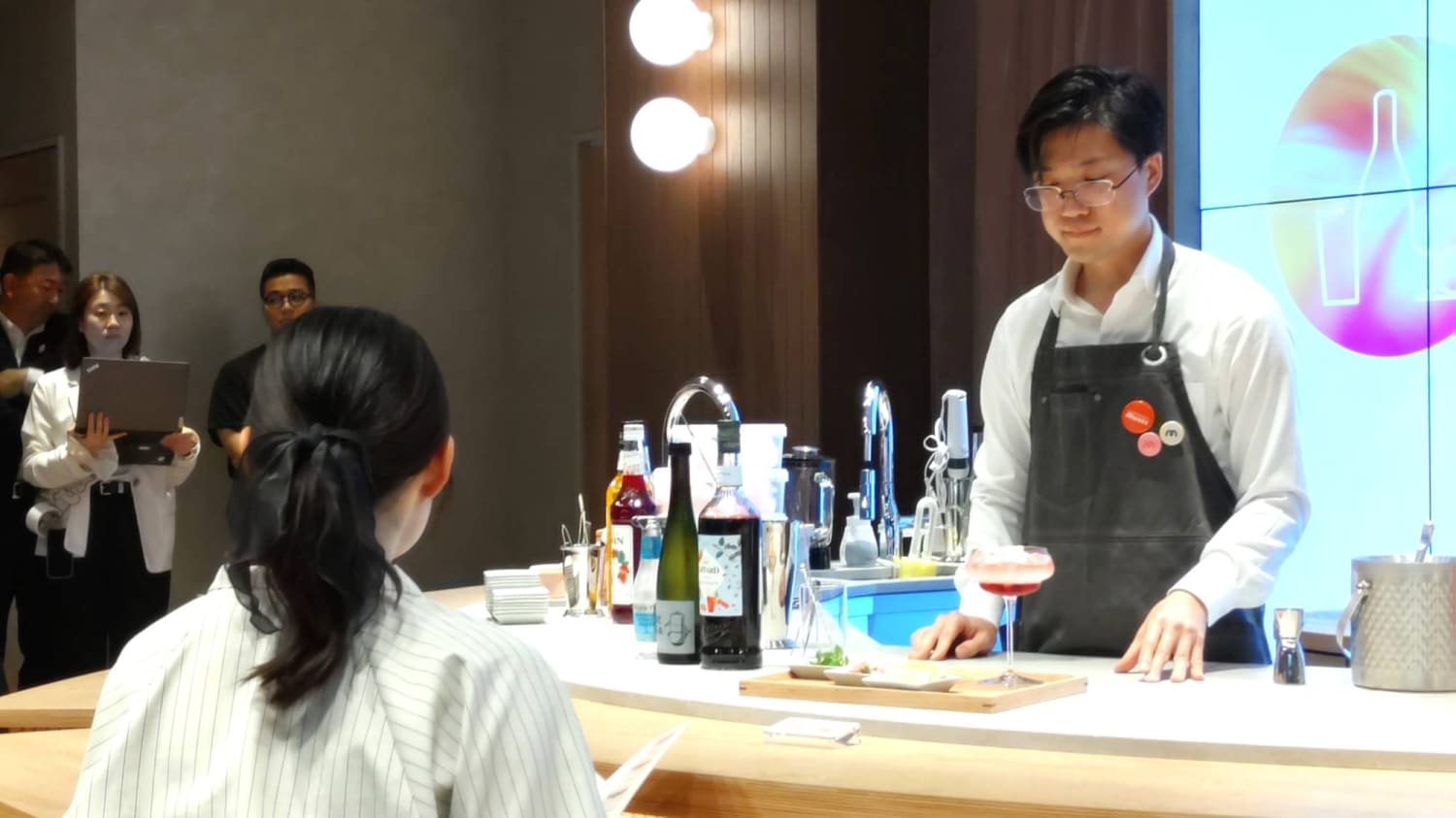
- ·Non-alcoholic bars like Sumadori Meets in Tokyo reflect growing demand from health-conscious consumers and shifting workplace drinking culture.
- ·The trend offers export potential and may serve as a model for other Asian markets where wellness and moderate drinking are gaining traction.
A Shift in Tokyo's Drinking Scene
In Tokyo's Omotesando district, where luxury boutiques and trendy restaurants draw crowds from morning to midnight, a different kind of bar has emerged. Sumadori Meets serves no sake, no whisky, no beer. Every bottle behind the counter is alcohol-free. The venue represents a visible marker of a broader transformation sweeping through Japan's beverage industry, one that is forcing traditional brewers to rethink centuries of product strategy.
Japan's major breweries are racing to expand their zero-alcohol and low-alcohol offerings as consumer preferences shift away from traditional drinking. The pivot reflects demographic and cultural pressures that have made sobriety not just acceptable but increasingly fashionable among younger Japanese consumers and health-conscious professionals.
The Business Case for Zero-Proof
The expansion is not a philanthropic gesture. Beverage companies see tangible revenue opportunity in a market segment that has grown steadily over the past five years. Domestic beer sales have declined as Japan's population ages and younger generations drink less frequently and in smaller volumes. Non-alcoholic alternatives offer brewers a way to retain customers who still want the ritual and social context of drinking without the alcohol content.
Japanese brewers have launched dozens of new products in the category, from zero-alcohol beers that mimic the taste profile of their flagship lagers to botanical-infused drinks that occupy a space closer to premium soft drinks than traditional beer substitutes. The emphasis is on flavor complexity and ingredient quality, avoiding the flat, watery reputation that plagued earlier generations of non-alcoholic beer.
Several companies have invested in new production techniques designed to preserve the mouthfeel and aroma of fermented beverages while removing ethanol. These methods include arrested fermentation, where yeast activity is halted before significant alcohol develops, and reverse osmosis filtration that strips alcohol from finished beer. The result is a product lineup that appeals to consumers who want the social experience of a bar or izakaya without the next-day consequences.
Demographics and Health Drive Demand
The shift is most pronounced among women and consumers in their twenties and thirties, groups that have shown the fastest adoption of low-alcohol and zero-alcohol beverages. Health awareness campaigns around liver disease, cancer risk, and metabolic syndrome have made moderate drinking a public health talking point in Japan, where after-work drinking sessions have long been a corporate ritual.
Workplace culture is also evolving. Younger employees are less willing to participate in mandatory drinking sessions with managers, a practice known as nominication. Companies have begun to accommodate non-drinkers, and the availability of credible alcohol-free options makes it easier to decline a beer without social awkwardness.
The legal environment has reinforced the trend. Stricter penalties for drunk driving, introduced over the past decade, have made Japanese consumers more cautious about alcohol consumption when they might need to drive. Even urban residents who rely on public transit are more aware of alcohol's effects on sleep quality, productivity, and long-term health.
Regional and Export Implications
Japan's experience with zero-alcohol beverages is being watched closely across Asia, where alcohol consumption patterns vary widely but where health and wellness trends are similarly influential. If Japanese brewers can build profitable businesses around non-alcoholic drinks, the model may be replicated in markets like South Korea, Taiwan, and urban China, where younger consumers are also moderating their alcohol intake.
The category also offers export potential. Japanese brands have cultivated a reputation for precision and quality, attributes that translate well to premium non-alcoholic beverages. As Western markets see similar trends toward sobriety and mindful drinking, Japanese products could find shelf space in specialty retailers and upscale restaurants outside Asia.
For Japan's brewers, the zero-alcohol expansion is both defensive and opportunistic. It protects revenue as traditional beer sales decline, and it positions companies to capture growth in a category that aligns with long-term consumer trends. The question is whether the margins and volumes will justify the investment, and whether non-alcoholic drinks can ever fully replace the profit engines that lagers and happoshu once provided.
What Comes Next
The success of venues like Sumadori Meets suggests there is room for dedicated alcohol-free hospitality concepts, not just product line extensions. If the category continues to grow, expect more investment in branding, retail distribution, and premium positioning. Japan's beverage giants are not abandoning alcohol, but they are no longer betting their futures on it alone.
RELATED STORIES

Uniqlo Doubles Down on Flagship Stores to Revive Brand in Home Market
Cheng Wei-Lun · 3 min

Japan Spent $96.5 Billion in Record Single-Round Currency Intervention
Cheng Wei-Lun · 3 min

Preferred Networks Eyes Public Listing to Scale AI Chip Production
Aiko Nakamura · 2 min
Yen Climbs to Eight-Month High as Rate Hike Expectations Shift Sentiment
Jun-ho Seo · 3 min
Spot something wrong? Email editor@briefasia.com. We log every correction publicly.