Finance · Markets
Japan's Yen Faces Prolonged Weakness as Structural Forces Mount
Currency traders see limited prospects for recovery amid persistent economic headwinds and policy divergence
KEY TAKEAWAYS
- ·The Japanese yen continues to weaken against the U.S. dollar as structural economic factors outweigh short-term intervention measures by monetary authorities.
- ·Policy divergence between the Bank of Japan's accommodative stance and higher interest rates in other major economies drives capital flows away from yen-denominated assets.
- ·Limited policy options and persistent outward investment flows suggest the currency will remain under pressure through the remainder of 2026.
Persistent Depreciation
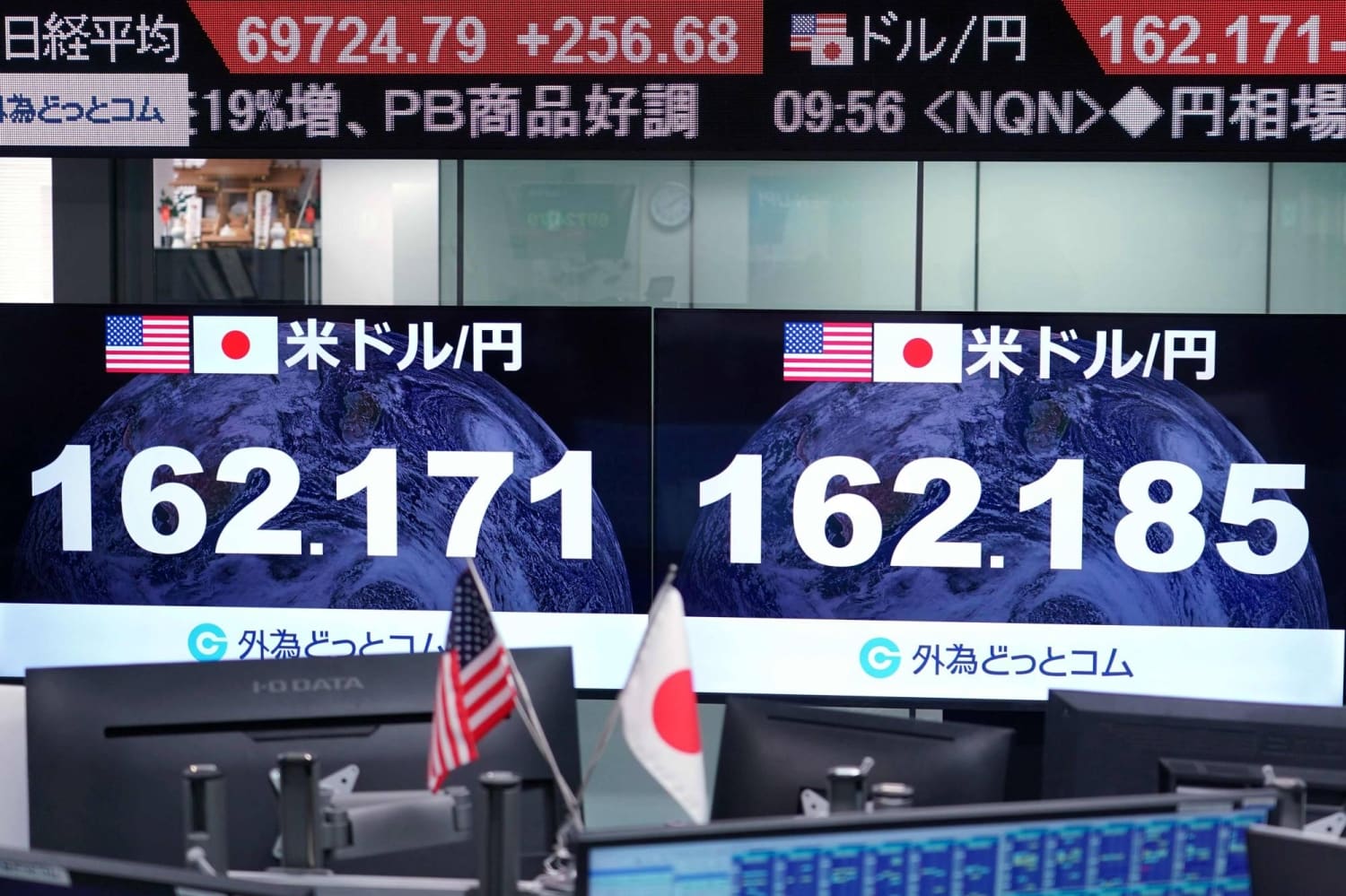
The Japanese yen remains under sustained pressure as currency markets in Tokyo reflect deepening concerns about structural factors weighing on the currency. Electronic boards at brokerages across the capital displayed continued weakness against the U.S. dollar this week, underscoring a trend that has persisted despite periodic intervention efforts by Japanese monetary authorities.
Market participants point to fundamental economic dynamics rather than temporary volatility as the primary driver of yen weakness. The currency's decline reflects a confluence of factors that appear resistant to conventional policy tools, from interest rate differentials with other major economies to Japan's persistent current account dynamics.
Policy Divergence Widens
The gap between Japanese monetary policy and that of other major central banks continues to exert downward force on the yen. While the Bank of Japan maintains its accommodative stance, the U.S. Federal Reserve and other central banks have kept rates elevated to manage inflation, creating a yield differential that encourages capital flows away from yen-denominated assets.
This policy divergence has become increasingly entrenched as Japan's economic recovery remains fragile compared to other developed markets. Domestic inflation, though present, has not reached levels that would compel aggressive monetary tightening, leaving Japanese policymakers with limited room to narrow the rate gap without risking growth.
Currency traders note that intervention operations, while capable of creating short-term volatility, have proven insufficient to reverse the underlying trend. The Ministry of Finance has conducted several rounds of dollar-selling intervention over the past year, yet each rally in the yen has proven temporary as structural pressures reassert themselves.
Trade and Investment Flows
Japan's external balance position adds another layer of complexity to the currency outlook. While the country maintains a trade surplus in certain high-value manufacturing sectors, rising energy import costs and shifting global supply chains have altered traditional trade patterns that once provided consistent support for the yen.
Investment flows tell a similar story. Japanese institutional investors, from pension funds to insurance companies, continue to seek higher yields abroad, creating steady demand for foreign currency assets. This outflow of capital compounds the pressure on the yen, particularly as domestic investment opportunities remain limited by low interest rates and modest growth prospects.
The manufacturing sector's gradual shift of production facilities overseas further reduces the natural demand for yen that would come from export-related repatriation of earnings. Major Japanese corporations have increasingly localized their operations in key markets, keeping revenues and profits offshore rather than converting them back to yen.
Limited Policy Options
Japanese authorities face constrained options in addressing currency weakness. Aggressive interest rate hikes risk derailing a fragile economic recovery and could destabilize a government bond market built on decades of low yields. Sustained currency intervention depletes foreign exchange reserves and risks international criticism if perceived as competitive devaluation.
Some economists argue that a weaker yen provides benefits to export-oriented industries and supports tourism revenue, both critical components of Japan's economic strategy. However, the currency's decline also raises import costs, particularly for energy and raw materials, squeezing household purchasing power and corporate margins for companies reliant on imported inputs.
The structural nature of the yen's weakness suggests that any meaningful reversal would require fundamental shifts in either Japan's economic trajectory or global monetary policy dynamics. Near-term prospects for such shifts remain limited, with most forecasters expecting the currency to remain under pressure through the remainder of 2026.
Regional Implications
The yen's sustained weakness carries implications beyond Japan's borders. Other Asian currencies face pressure as the yen's decline alters competitive dynamics in export markets. Regional central banks must weigh whether to allow their own currencies to weaken in response or to defend exchange rates at the risk of depleting reserves and tightening financial conditions.
For multinational corporations operating across Asia, currency volatility complicates financial planning and hedging strategies. A weak yen benefits Japanese exporters in price competition but creates challenges for companies in neighboring economies that compete in similar product categories.
Market observers note that the current currency environment reflects broader questions about Japan's economic model and its sustainability in a changed global landscape. The yen's trajectory serves as a barometer for investor confidence in Japan's ability to navigate demographic challenges, technological disruption, and shifting patterns of global trade and investment.
RELATED STORIES

Japan Deploys $96.5 Billion in Currency Intervention to Halt Yen's Slide
Aiko Nakamura · 3 min
Yen Climbs to Eight-Month High as Rate Hike Expectations Shift Sentiment
Jun-ho Seo · 3 min

Japan Wage Growth Hits 29-Year High, Reinforcing Central Bank Rate Path
Aiko Nakamura · 3 min

Bank of Japan Signals Possible Rate Increase This Month
Aiko Nakamura · 3 min
Spot something wrong? Email editor@briefasia.com. We log every correction publicly.