Asia · Business
Japan's Tax Revenue Breaks 80 Trillion Yen Barrier for First Time
Fiscal 2025 collections reached $523 billion, surpassing government forecasts as corporate earnings climb past bubble-era peaks
KEY TAKEAWAYS
- ·Japan collected 84.2 trillion yen in general-account tax revenue in fiscal 2025, crossing the 80 trillion-yen threshold for the first time and beating government forecasts.
- ·Corporate tax revenues surpassed levels last seen during the 1989 bubble economy, driven by export strength, yen depreciation effects, and multinational profit repatriation.
- ·The fiscal windfall gives Tokyo additional policy flexibility, though Japan's gross public debt still exceeds 250 percent of GDP and sustainability depends on global demand trends.
Record Collection Driven by Corporate Strength
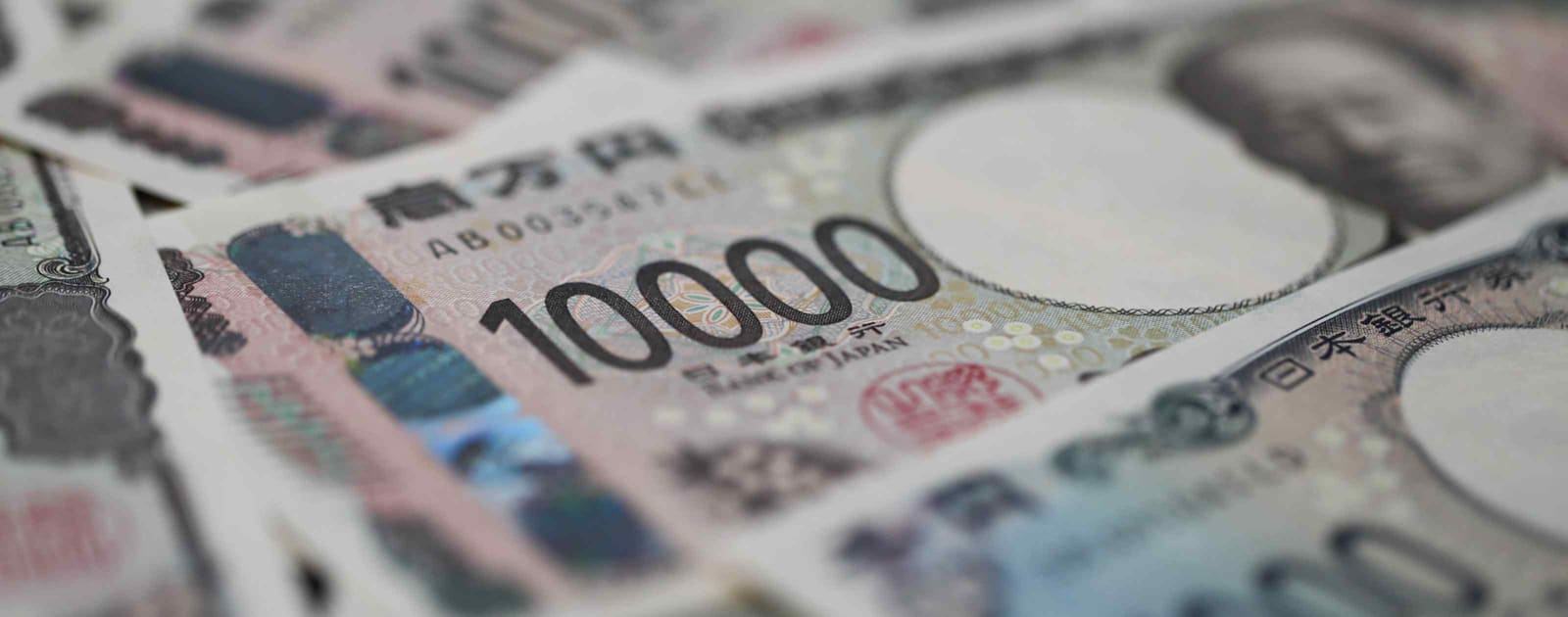
Japan's general-account tax revenue for fiscal 2025, which concluded in March, reached 84.2 trillion yen ($523 billion), marking the first time collections have exceeded the 80 trillion-yen mark. The figure surpassed government projections and reflects sustained corporate profitability across the world's third-largest economy.
The milestone represents a significant shift from decades of subdued tax intake. Corporate tax revenues contributed substantially to the total, climbing past levels last seen during the asset-price bubble of 1989. That period, characterized by soaring stock and real estate valuations, had long stood as the high-water mark for Japanese corporate tax collections.
The latest data underscores how Japan's economic landscape has evolved. While the bubble era was defined by speculative excess, today's corporate earnings reflect structural changes: export competitiveness in semiconductors and advanced manufacturing, currency effects that have boosted overseas profits when repatriated, and productivity gains in select industries.
What Drove the Surge
Several factors converged to push tax revenue past the symbolic threshold. Corporate income tax collections benefited from strong earnings reports across major exporters, particularly in automotive, electronics, and machinery sectors. The yen's depreciation through much of fiscal 2025 amplified overseas profits when converted back into yen, inflating taxable income for multinational firms.
Consumption tax revenue also contributed, though growth remained modest compared to corporate levies. Personal income tax intake edged higher as wage growth, while still sluggish by international standards, showed incremental improvement. The government had forecast lower overall tax revenue, making the actual result a positive surprise for fiscal planners in Tokyo.
The 84.2 trillion-yen figure does not include special-account revenues or local government taxes, which operate under separate frameworks. General-account tax revenue serves as the primary funding source for national spending priorities, including social security, infrastructure, and debt servicing.
Implications for Fiscal Policy
Crossing the 80 trillion-yen threshold gives Japanese policymakers additional room to maneuver, though the nation's debt burden remains among the highest in the developed world. Gross public debt exceeds 250 percent of GDP, and annual debt-servicing costs consume a significant portion of the budget.
Higher-than-expected tax revenue could ease pressure to raise consumption tax rates, a politically sensitive issue. Prime Minister Takaichi's administration, which has seen approval ratings climb to 68 percent in recent polling, may use the fiscal windfall to fund priority initiatives without immediate tax increases. These could include support for startups, subsidies for semiconductor fabs, or expanded childcare programs aimed at reversing demographic decline.
The record intake also complicates ongoing debates within the ruling party about fiscal discipline. Some lawmakers have advocated abandoning rigid primary balance targets in favor of more flexible frameworks that allow deficit spending during economic downturns. Others argue that strong tax revenue should be directed toward debt reduction rather than new spending.
Regional Context
Japan's fiscal performance contrasts with mixed signals elsewhere in Asia. South Korea recently reported export growth surpassing $100 billion in a single month, driven by semiconductor demand, while China faces headwinds as subsidy programs for autos and appliances are scaled back. Indonesia is grappling with concerns over financial regulations that critics say could enable money laundering.
For Japan, the question now is whether elevated tax revenue can be sustained. Corporate earnings remain sensitive to global demand, currency fluctuations, and geopolitical risks. Any slowdown in key export markets, particularly the United States and China, could quickly erode the tax base.
The fiscal 2025 result nonetheless marks a psychological turning point. Surpassing the bubble-era benchmark, even in nominal terms, signals that Japan's corporate sector has regained a measure of vitality. Whether that translates into broader economic dynamism, higher wages for workers, or meaningful debt reduction will depend on policy choices made in the months ahead.
RELATED STORIES

Mitsubishi Motors Brings Back Pajero SUV With Thailand Launch
Cheng Wei-Lun · 3 min

Berkshire Hathaway Eyes Larger Stakes in Japan's Top Trading Houses
Cheng Wei-Lun · 3 min

Honda Demands 30% Price Cuts From Suppliers in $9.4 Billion Cost Plan
Cheng Wei-Lun · 3 min
Japan's 10-Year Bond Yield Breaches 3% for First Time Since 1996
Aiko Nakamura · 4 min
Spot something wrong? Email editor@briefasia.com. We log every correction publicly.