Sustainability · Energy
Japan's Renewable Energy Push Stalls Despite Iran War Oil Shock
The Takaichi administration has not accelerated clean energy targets even as conflict near the Strait of Hormuz disrupted crude imports and drove up prices
KEY TAKEAWAYS
- ·Conflict near the Strait of Hormuz disrupted Japan's oil imports and drove up prices, exposing the country's continued dependence on Middle Eastern crude.
- ·The Takaichi administration has not accelerated renewable energy targets or announced new initiatives in response to the supply shock, maintaining existing policy timelines.
- ·Japan imports roughly 90 percent of its energy needs, and the crisis highlights how little that fundamental vulnerability has changed despite decades of diversification efforts.
Energy Security Exposed
Japan's vulnerability to imported oil has been laid bare by conflict near the Strait of Hormuz, yet the Takaichi administration shows little urgency in accelerating the country's renewable energy goals. The crisis drove up crude prices and exposed the fragility of supply chains that still underpin the world's third-largest economy.
The strait, through which nearly one-third of global seaborne oil passes, has long been a chokepoint for Japan's energy imports. Disruptions from the recent conflict sent ripples through Tokyo's energy markets, but the government's response has been measured rather than transformative.
Renewables Remain on Slow Track
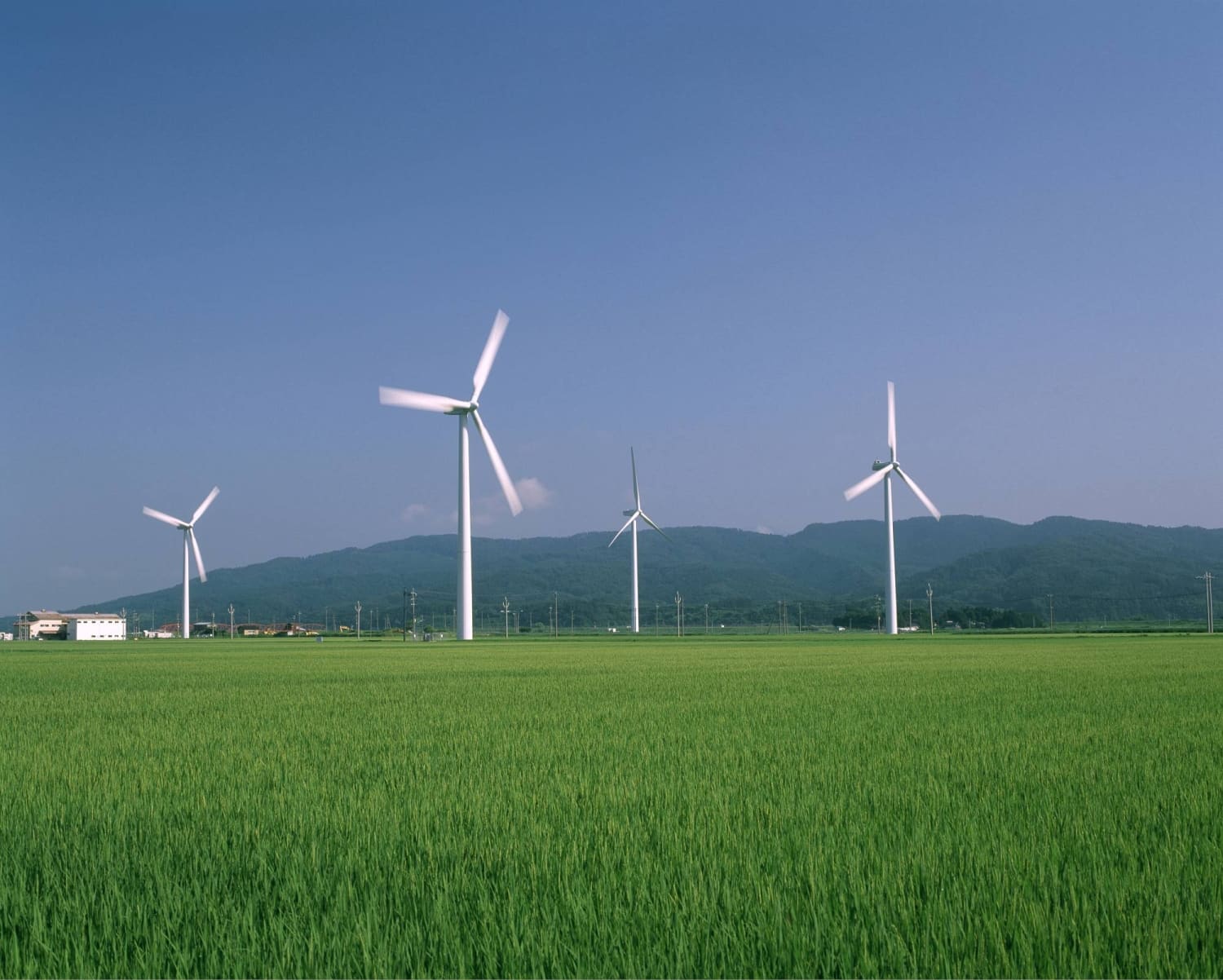
Wind turbines on the Shonai Plain in Yamagata Prefecture and solar installations across the archipelago continue to generate power, but policy momentum has not matched the scale of the supply shock. The administration has maintained existing renewable energy targets without announcing major new initiatives or accelerated timelines in response to the crisis.
Japan imports roughly 90 percent of its energy needs, with oil accounting for a significant portion despite decades of diversification efforts following the 1970s oil shocks. The latest instability in the Middle East underscored how little that fundamental dependence has changed.
Regional Context
Other Asian economies are watching Japan's response closely. South Korea and Taiwan face similar import dependencies, while China has been aggressively expanding solar and wind capacity as part of its broader energy security strategy. India, another major oil importer, has set ambitious renewable targets tied explicitly to reducing vulnerability to Middle Eastern supply disruptions.
Japan's caution contrasts with the urgency seen in parts of Europe, where energy security concerns following Russia's invasion of Ukraine triggered rapid policy shifts toward renewables and energy independence. Tokyo's approach suggests a calculation that short-term supply disruptions, while painful, do not yet justify a wholesale acceleration of its energy transition timeline.
Price Pressures and Political Calculus
Oil price volatility during the conflict period imposed real costs on Japanese consumers and industry. Fuel import bills climbed, and electricity prices, already elevated, faced additional upward pressure. Yet the Takaichi government has not framed the crisis as a catalyst for faster renewable deployment or revised energy security doctrine.
The administration's stance may reflect practical constraints. Japan's renewable energy build-out faces geographic limitations, grid integration challenges, and local opposition to large-scale wind and solar projects. Offshore wind holds promise but requires years of planning and infrastructure investment. Nuclear power, once a major pillar of Japan's energy mix, remains politically sensitive more than a decade after the Fukushima disaster.
What Comes Next
Energy analysts in Tokyo note that the administration's cautious posture could shift if instability in the Middle East persists or intensifies. A prolonged disruption to oil flows through the Strait of Hormuz would force a reckoning with Japan's import dependence and potentially unlock political will for faster renewable deployment.
For now, the crisis serves as a reminder rather than a turning point. Japan's renewable infrastructure continues to expand at its existing pace, driven by pre-war targets and climate commitments rather than a sudden recalibration of energy security priorities. The gap between the scale of the vulnerability and the policy response remains wide.
RELATED STORIES

Berkshire Hathaway Eyes Larger Stakes in Japan's Top Trading Houses
Cheng Wei-Lun · 3 min

Honda and Nissan Align on Software-Defined Vehicle Development
Cheng Wei-Lun · 2 min

Japan Deploys $96.5 Billion in Currency Intervention to Halt Yen's Slide
Aiko Nakamura · 3 min

Japan Deploys Record ¥15.39 Trillion to Defend Yen in Two-Month Intervention
Cheng Wei-Lun · 3 min
Spot something wrong? Email editor@briefasia.com. We log every correction publicly.