Real Estate · Offices
Japan's Office Landlords Hold Steady as Fed and BOJ Tighten Policy
Strong tenant demand in Tokyo and other major cities is cushioning property owners against rising interest rates across two of the world's largest economies.
KEY TAKEAWAYS
- ·Japanese office landlords face rising debt costs as the Federal Reserve holds rates high and the Bank of Japan signals further tightening after years of ultra-loose policy.
- ·Tokyo office vacancy remains below 4 percent with strong tenant demand from technology, finance, and consulting firms stabilizing landlord cash flows.
- ·Some property firms are accelerating asset sales or locking in fixed-rate financing to reduce exposure ahead of refinancing windows in a higher-rate environment.
Resilience Amid Rate Pressure
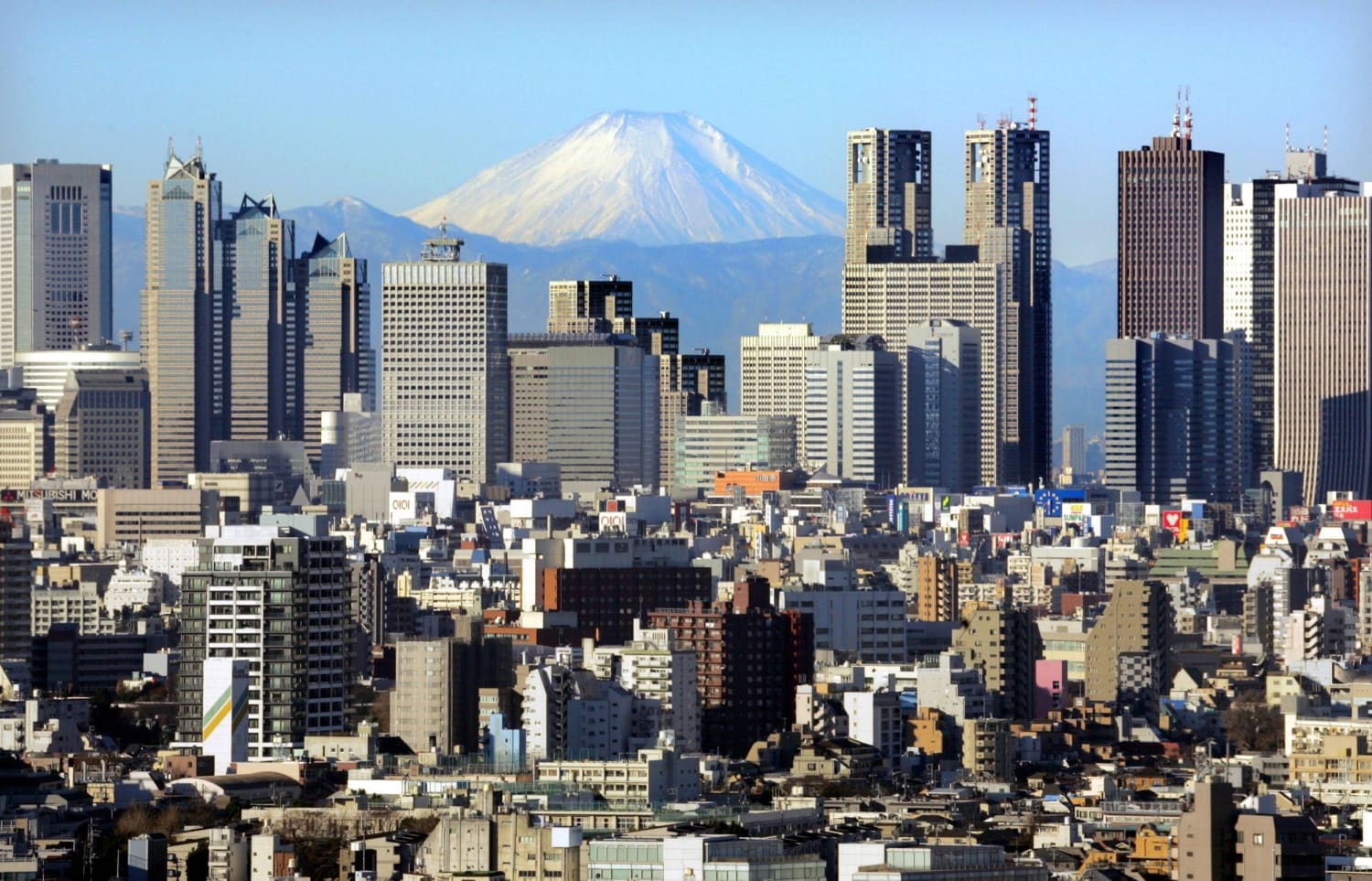
Japanese commercial property owners are navigating a dual-front monetary squeeze. While the Federal Reserve holds U.S. borrowing costs at restrictive levels, the Bank of Japan is signaling its own rate increases after years of ultra-loose policy. Yet landlords in Tokyo, Osaka, and other major business districts report confidence grounded in sustained office occupancy.
The shift marks a departure from the low-rate era that defined Japanese real estate financing for more than a decade. Property investors who locked in cheap debt during the BOJ's negative interest rate period now face refinancing at higher costs. At the same time, yen volatility tied to Fed policy has introduced currency risk for landlords with dollar-denominated liabilities or cross-border investment partners.
Tenant Demand Provides a Buffer
Strong leasing activity is offsetting financial headwinds. Office vacancy rates in central Tokyo remain below 4 percent, according to recent market data, as multinational corporations expand regional headquarters and domestic firms consolidate into premium buildings. Technology, financial services, and professional consulting tenants are driving long-term lease commitments, stabilizing cash flows for landlords.
Rental growth in prime districts has outpaced inflation over the past eighteen months, enabling property owners to absorb incremental debt servicing costs without margin compression. Grade-A office towers in Marunouchi and Otemachi continue to command premium rents, with limited new supply expected through 2027.
Policy Divergence and Strategic Adjustments
The Bank of Japan's pivot toward normalization contrasts sharply with its decade-long easing campaign. Governor Kazuo Ueda has indicated that further rate hikes are under consideration if wage growth and inflation remain on target. For landlords, this means recalibrating leverage ratios and hedging interest rate exposure more actively than in the past.
Some property firms are accelerating asset sales to reduce debt ahead of refinancing windows. Others are locking in fixed-rate financing or entering into interest rate swaps to cap future servicing costs. The shift is particularly pronounced among mid-tier landlords with floating-rate loans tied to Tokyo Overnight Average Rate benchmarks.
Meanwhile, the Federal Reserve's sustained hawkishness has kept U.S. Treasury yields elevated, widening the spread between Japanese Government Bonds and dollar-denominated debt. This divergence has complicated capital allocation for Japanese real estate investment trusts with international portfolios, prompting some to repatriate capital and focus on domestic assets.
Regional Variations and Outlook
While Tokyo landlords enjoy robust fundamentals, secondary cities face more uncertainty. Office markets in regional hubs such as Fukuoka and Sapporo have seen slower rent recovery, and vacancy rates remain elevated compared to pre-pandemic levels. Landlords in these markets are more vulnerable to rate increases, particularly if tenant demand softens.
Industrial and logistics properties continue to outperform traditional office assets, buoyed by e-commerce growth and supply chain reconfiguration across Asia. Warehouse landlords in the Greater Tokyo area and Kansai region report near-full occupancy and rising lease rates, attracting institutional capital seeking income stability.
The interplay between Fed policy and BOJ normalization will shape refinancing conditions and investor sentiment in the months ahead. Landlords with strong tenant rosters and conservative leverage are best positioned to weather the transition, while overleveraged players may face margin pressure or forced asset sales if rates climb further than anticipated.
RELATED STORIES
Bank of Japan Eyes Rate Increase as Inflation Risks Mount
Cheng Wei-Lun · 4 min
Japan Deploys $96.5 Billion in Currency Intervention to Halt Yen's Slide
Aiko Nakamura · 3 min
Yen Climbs to Eight-Month High as Rate Hike Expectations Shift Sentiment
Jun-ho Seo · 3 min
Japan's 10-Year Bond Yield Breaches 3% for First Time Since 1996
Aiko Nakamura · 4 min
Spot something wrong? Email editor@briefasia.com. We log every correction publicly.