Asia · Trade
Japan's Manufacturers Sound Alarm Over China's Rare-Earth Restrictions
Corporate warnings intensify as Beijing maintains tight control over critical mineral exports vital to electronics and automotive industries
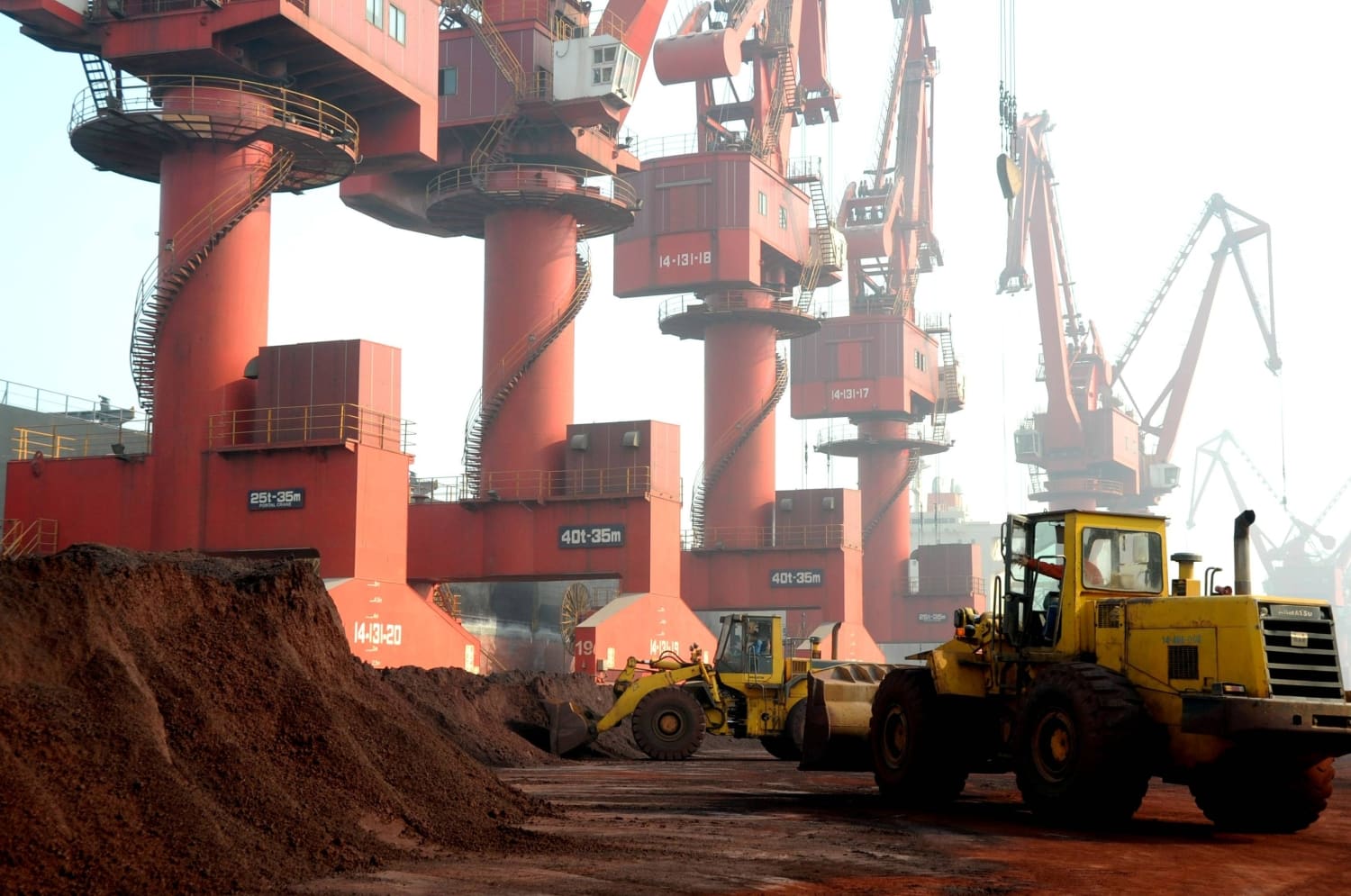
KEY TAKEAWAYS
- ·Japanese manufacturers are issuing urgent warnings about rare-earth supply constraints as China continues restricting exports of minerals critical to electronics and vehicle production.
- ·China controls roughly 70 percent of global rare-earth mining and nearly 90 percent of refining capacity, giving Beijing leverage over industries dependent on these seventeen elements.
- ·Alternative suppliers are expanding but cannot match China's scale in the near term, leaving Japanese firms reliant on stockpiles that cover three to six months of production.
Growing Anxiety in Japan's Industrial Heartland
Japanese manufacturers are voicing increasingly urgent warnings about the vulnerability of their supply chains as China continues to restrict exports of rare-earth elements, minerals essential to producing everything from electric vehicle motors to smartphone screens.
The concerns from corporate Japan reflect a deepening anxiety about Beijing's willingness to leverage its dominant position in rare-earth processing as a geopolitical tool. China controls approximately 70 percent of global rare-earth mining and nearly 90 percent of refining capacity, giving it enormous influence over industries that depend on these seventeen metallic elements.
Strategic Materials Under Pressure
Rare-earth elements including neodymium, dysprosium, and terbium are irreplaceable components in permanent magnets used in wind turbines, hybrid vehicle motors, and defense systems. Japan's automotive sector, which has bet heavily on hybrid and electric vehicle technology, faces particular exposure to any sustained disruption in rare-earth availability.
China's export restrictions have been in place for months, part of a broader pattern of using resource access as diplomatic leverage. Beijing has previously threatened or implemented rare-earth export controls during territorial disputes and trade tensions, most notably in 2010 during a maritime confrontation with Japan.
The current constraints come as Japanese manufacturers are already navigating semiconductor shortages, rising energy costs, and the realignment of regional supply chains following pandemic-era disruptions. Industry executives warn that prolonged rare-earth scarcity could force production cuts, delay new product launches, and undermine Japan's competitiveness in advanced manufacturing sectors.
Diversification Efforts Lag Behind Demand
Tokyo has for years encouraged companies to diversify rare-earth sources and invest in recycling technology, but progress has been slow. Alternative suppliers including Australia, Vietnam, and the United States are expanding mining and processing capacity, yet none can match China's scale or cost efficiency in the near term.
Japanese firms have stockpiled rare-earth materials to buffer against short-term disruptions, but those reserves are finite. According to industry estimates, most manufacturers maintain inventories sufficient for three to six months of normal production, meaning extended restrictions could begin to bite by year-end.
Some companies are exploring substitution strategies, redesigning products to use less rare-earth content or alternative materials. But such engineering shifts require significant time and investment, and in many applications no viable substitutes exist for rare-earth permanent magnets.
Regional Implications
Japan's predicament mirrors concerns across Asia's manufacturing economies. South Korea's electronics giants, Taiwan's semiconductor sector, and Southeast Asian automotive assembly operations all depend on stable rare-earth supplies flowing primarily from China.
The supply squeeze is prompting renewed discussion in Tokyo about economic security and the risks of concentrated dependencies. Japanese officials have been quietly working with counterparts in Washington, Canberra, and other capitals to coordinate rare-earth supply chain resilience, including joint stockpiling arrangements and subsidies for non-Chinese processing capacity.
Yet the path to meaningful supply diversification stretches across years, not months. Developing new mines and building refining facilities requires enormous capital, navigating complex environmental regulations, and mastering processing techniques China has spent decades perfecting.
For now, corporate Japan finds itself in the uncomfortable position of needing materials controlled by a neighbor with whom relations remain tense. The rare-earth warnings coming from boardrooms signal that this vulnerability is no longer theoretical but a tangible constraint on business planning and national industrial policy.
RELATED STORIES
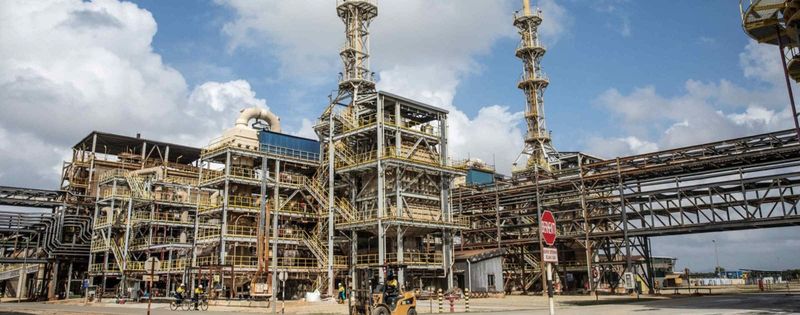
Malaysia's Rare Earth Deposits Draw Foreign Interest Ahead of China Export Controls
Priyanka V. Rao · 3 min

Honda Demands 30% Price Cuts From Suppliers in $9.4 Billion Cost Plan
Cheng Wei-Lun · 3 min
Kioxia Pushes Flash Memory to Replace DRAM Amid Market Squeeze
Jun-ho Seo · 3 min

Berkshire Hathaway Eyes Larger Stakes in Japan's Top Trading Houses
Cheng Wei-Lun · 3 min
Spot something wrong? Email editor@briefasia.com. We log every correction publicly.