Asia · Politics
Japan Emerges as Bridge Between US and Europe Amid Global Fragmentation
Tokyo positions itself as diplomatic connector as G7 leaders navigate deepening geopolitical divides at France summit
KEY TAKEAWAYS
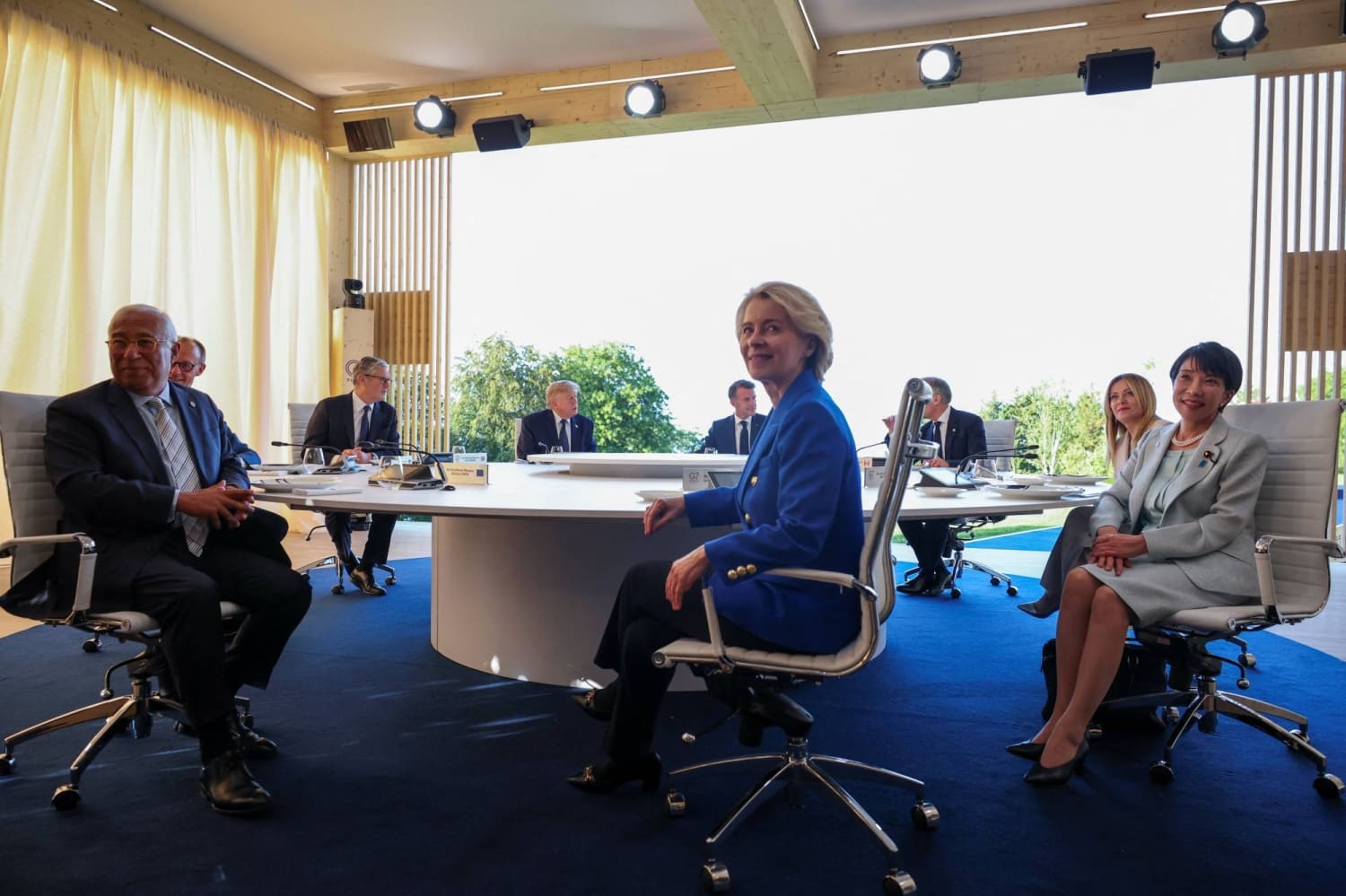
- ·Prime Minister Sanae Takaichi joined President Trump and Commission President von der Leyen at the G7 summit in Evian, France on June 15, positioning Japan as diplomatic bridge.
- ·Japan leverages deep security ties with Washington and extensive trade relationships with Europe to facilitate coordination amid transatlantic friction over technology and China policy.
- ·Tokyo's approach emphasizes sector-specific alignment rather than forcing binary strategic choices, maintaining flexibility while anchoring security cooperation with the United States.
Tokyo's Strategic Positioning
Japan is stepping into a diplomatic role that could reshape how advanced economies coordinate in an era of deepening geopolitical fractures. As Prime Minister Sanae Takaichi joined U.S. President Donald Trump and European Commission President Ursula von der Leyen at the Group of Seven summit in Evian, France on June 15, Tokyo's positioning as a connector between Washington and Brussels became increasingly visible.
The working dinner gathering underscored a shift in global power dynamics where traditional alliances face new strains. Japan's unique relationships with both the United States and Europe place it in a position to facilitate dialogue when direct channels between Western powers show friction.
A Fragmented Landscape
The current international environment presents challenges distinct from previous decades of G7 cooperation. Trade tensions, diverging approaches to China, and competing industrial policies have created friction points between the U.S. and European partners. Technology export controls, semiconductor supply chain security, and climate policy implementation remain areas where transatlantic coordination has proven difficult.
Japan's economic integration with both regions gives Tokyo practical leverage. The country maintains deep security ties with Washington through the U.S.-Japan alliance while simultaneously holding significant trade and investment relationships with European economies. Japanese automakers, electronics firms, and industrial equipment manufacturers operate extensive networks across both continents.
Diplomatic Capital in Practice
Takaichi's presence at the summit table reflects more than ceremonial participation. Japan has quietly worked to align positions on critical issues, from semiconductor cooperation frameworks to coordinated responses on regional security challenges. Tokyo's diplomatic approach emphasizes consensus-building rather than forcing binary choices between partners.
The G7 format itself provides Japan with a platform where its voice carries weight equal to larger economies. Unlike forums where population or GDP size dominate, the G7's structure allows Tokyo to shape agendas and broker compromises. This matters particularly when U.S. and European positions diverge on issues ranging from digital regulation to energy transition timelines.
Economic Interconnection as Foundation
Japan's role as bridge builder rests on substantial economic foundations. The country ranks as a top-five trading partner for multiple European Union member states and remains deeply integrated into U.S. supply chains. Japanese firms have invested hundreds of billions of dollars in manufacturing facilities, research centers, and financial operations across both regions.
This two-way investment creates mutual dependencies that give Tokyo credibility when proposing solutions to transatlantic disputes. When discussions turn to semiconductor supply chain resilience or critical mineral sourcing, Japan brings both technical expertise and established production networks that complement American and European capabilities.
Navigating Competing Pressures
Tokyo's bridge role comes with inherent tensions. The U.S.-Japan security alliance remains the cornerstone of Japanese defense policy, particularly as regional threats from North Korea and concerns about China's military modernization intensify. Yet Japan also seeks to maintain productive economic relations with China and avoid forcing European partners into stark confrontational postures.
Takaichi's government has signaled it will pursue this balancing act through sector-specific approaches rather than sweeping strategic declarations. On advanced semiconductors and military technologies, alignment with U.S. export controls remains tight. On consumer goods, infrastructure projects, and climate cooperation, Tokyo leaves more room for European partners to chart their own courses with Beijing.
Regional Implications
Japan's positioning carries significance beyond G7 dynamics. Other Asian economies watch closely how Tokyo manages relationships with both Western power centers. South Korea, Taiwan, and Southeast Asian nations face similar pressures to choose sides in a fragmenting global system. Japan's success or failure in maintaining productive ties with both the U.S. and Europe could influence how other regional players approach their own diplomatic strategies.
The Evian summit represented one snapshot of this evolving dynamic. As global fragmentation accelerates, driven by technology competition, supply chain reconfigurations, and security concerns, the demand for trusted intermediaries grows. Japan's historical ties, economic weight, and demonstrated commitment to multilateral institutions position it to fill that role, provided Tokyo can navigate the increasingly complex demands from partners on both sides of the Atlantic.
RELATED STORIES

Berkshire Hathaway Eyes Larger Stakes in Japan's Top Trading Houses
Cheng Wei-Lun · 3 min
Malaysia's Rare Earth Deposits Draw Foreign Interest Ahead of China Export Controls
Priyanka V. Rao · 3 min

Honda Demands 30% Price Cuts From Suppliers in $9.4 Billion Cost Plan
Cheng Wei-Lun · 3 min

Mitsubishi Motors Brings Back Pajero SUV With Thailand Launch
Cheng Wei-Lun · 3 min
Spot something wrong? Email editor@briefasia.com. We log every correction publicly.