Asia · Trade
Indonesia Pushes for Tariff Relief After US Imposes 10% Forced-Labor Duty
Jakarta enters negotiations with Washington as new trade measure takes effect Friday, threatening export-dependent manufacturers across the archipelago
KEY TAKEAWAYS
- ·The United States imposed a 10 percent tariff on Indonesian imports Friday under Section 301, citing forced-labor violations, while Australia, China, Singapore and South Korea face 12.5 percent duties.
- ·Jakarta is negotiating with the US Trade Representative for more favorable terms, emphasizing its regulatory framework and active commitment to combating forced labor in supply chains.
- ·Export-oriented manufacturers heavily dependent on the US market, Indonesia's second-largest export destination at roughly USD 22 billion in 2025, are expected to bear the impact.
Jakarta Seeks Carve-Out
Indonesia opened talks with Washington on Friday hours after a 10 percent tariff on Indonesian goods entered force, part of a broader US enforcement action targeting forced-labor violations in Asian supply chains.
Haryo Limanseto, spokesperson for the Office of Coordinating Economy Minister, confirmed the government is pursuing more favorable terms with the US Trade Representative. He noted that Washington acknowledged Indonesia's regulatory framework to combat forced labor and the country's active commitment to preventing abuses in global supply chains.
The tariff applies under Section 301 of the Trade Act of 1974, a statute the Trump administration revived after the Supreme Court invalidated sweeping reciprocal tariffs imposed in 2025. A separate temporary 10 percent global duty under Section 122 expired the same day after reaching its 150-day statutory limit.
Tiered Enforcement
The United States imposed a 12.5 percent tariff on Australia, China (including Hong Kong), Singapore and South Korea, alleging those jurisdictions failed to prevent goods made with forced labor from entering the American market. Indonesia, Malaysia, Taiwan and India face a lower 10 percent rate under the same authority.
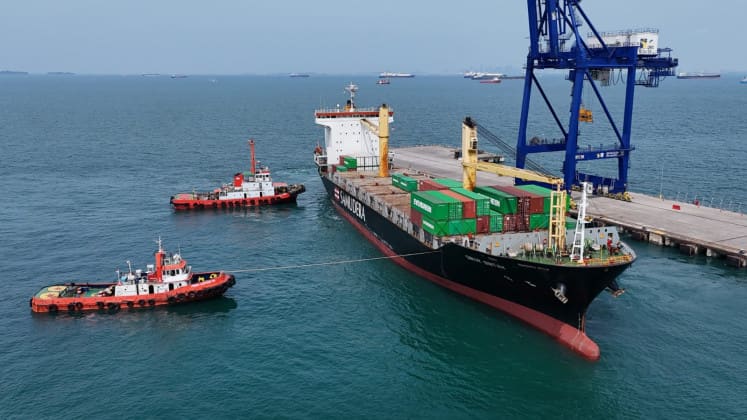
Business groups in Jakarta warned that export-oriented manufacturers will bear the brunt of the new regime, particularly firms heavily dependent on the US market. Indonesia shipped roughly USD 22 billion in goods to the United States in 2025, making it the archipelago's second-largest export destination after China.
Section 301 Revival
Section 301 grants the USTR broad authority to investigate and retaliate against foreign trade practices deemed unfair or discriminatory. The statute has historically been used to challenge intellectual-property violations and market-access barriers, but the Trump administration expanded its scope to cover labor standards and overcapacity concerns.
The February Supreme Court ruling struck down the reciprocal tariff framework, which had attempted to mirror trading partners' own duties on American goods. That decision forced the White House to rely on older trade statutes, including Section 301 and Section 232 (national security), to maintain leverage in bilateral negotiations.
Export Pressure
Indonesia's manufacturing base has expanded rapidly over the past decade, with foreign investment flowing into electronics, textiles, automotive components and processed commodities. Palm oil, rubber products, footwear and electronics rank among the top categories shipped to US buyers.
The 10 percent duty adds to existing headwinds. European Union carbon border adjustment mechanisms, scheduled to phase in through 2027, will impose levies on Indonesian steel, aluminum and cement exports. China's slowing demand for raw materials has also weighed on Indonesian commodity prices.
Jakarta has sought to diversify export markets, signing free-trade agreements with Australia and negotiating closer ties with the Gulf Cooperation Council and the African Continental Free Trade Area. However, the United States remains a critical destination for higher-value manufactured goods that generate employment in Java and Sumatra.
Regional Implications
The forced-labor tariffs reflect a broader US strategy to reshape Asian supply chains. Washington has pressed governments across the region to tighten labor oversight, audit subcontractors and certify compliance with International Labor Organization standards.
Indonesia enacted a 2023 regulation requiring exporters to submit annual forced-labor risk assessments and undergo third-party audits. The government also launched a national action plan to eliminate child labor and debt bondage in palm oil, fishing and garment sectors.
Yet enforcement remains uneven. Labor advocates point to gaps in inspection capacity, weak penalties for violators and limited protection for migrant workers in remote plantations and processing facilities. Those shortcomings provided ammunition for US trade officials to justify the new tariff.
Next Steps
Jakarta is preparing a detailed submission to the USTR documenting recent policy reforms and proposing a joint monitoring mechanism to track labor conditions in export industries. Officials hope the engagement will lead to a lower tariff rate or exemptions for certified suppliers.
The outcome will hinge on Washington's willingness to differentiate between countries making genuine progress and those maintaining systemic abuses. Indonesia's ability to demonstrate measurable improvements in labor standards over the coming months will determine whether the 10 percent duty remains in place or escalates further.
RELATED STORIES
Indonesia Unveils Bid to Become Global Commodity Price-Setter
Priyanka V. Rao · 3 min
Indonesia's Record Current Account Deficit Threatens Rupiah Stability
Siti Nuraini · 3 min

Indonesia Charges Toba Pulp Lestari in $113 Million Tax Fraud Probe
Siti Nuraini · 3 min
Indonesia Faces Critical Choice Between Resource Control and Industrial Growth
Tran Quoc Bao · 3 min
Spot something wrong? Email editor@briefasia.com. We log every correction publicly.