Asia · Trade
Indonesia Locks in Coal Deliveries to Manila Amid Energy Crunch
Jakarta commits to honoring existing contracts as the Philippines leans harder on coal imports to weather high oil prices and regional electricity pressures

KEY TAKEAWAYS
- ·Indonesia pledged to honor existing coal supply contracts with the Philippines, which imports 99 percent of its coal from Jakarta and relies on coal for 60 percent of electricity generation.
- ·Manila offered to take a direct role in coal procurement and expects Indonesian guidelines on joint import arrangements within two weeks.
- ·The assurance comes as the Philippines ramps up coal-fired dispatch to cushion electricity rates during a global oil crisis and contends with the highest power tariffs in Southeast Asia.
Jakarta Confirms Supply Continuity
Indonesia has assured the Philippines that it will honor existing coal supply contracts, a critical commitment for Manila as it navigates a global oil crisis and the highest electricity tariffs in Southeast Asia. The pledge came during high-level meetings in Jakarta last week between Energy Secretary Sharon Garin and Indonesian counterparts.
The Philippines imports roughly 95 percent of its coal, with Indonesia accounting for 99 percent of those shipments, according to Department of Energy figures. Coal-fired plants currently generate about 60 percent of the country's electricity, making the archipelago one of the most coal-dependent grids in the region.
Garin said the Philippine delegation pressed Indonesian officials to maintain the terms of long-term contracts, particularly as Jakarta rolls out a new export governance framework for coal and other strategic resources. "We asked them to avoid any changes. If there are any changes, we hope they can lower the price instead. But they assured us will be maintained," Garin said after the meetings.
Government Eyes Direct Procurement Role
Manila offered to take a more active role in coal procurement, signaling a willingness to participate directly in import arrangements with Indonesia. Garin noted that Indonesian officials would issue new guidelines within two weeks outlining how such cooperation might work in practice.
The proposal reflects a broader effort by the Philippine government to secure stable fuel supply chains as energy costs climb. With oil and natural gas prices rising sharply during the current energy emergency, coal-fired power plants have been dispatched at higher rates to help moderate the impact on electricity bills.
The Department of Energy has ramped up coal generation as a buffer against volatile fossil fuel markets, even as the country faces persistent criticism over its reliance on the dirtiest form of power generation. For now, however, coal remains the lowest-cost option available at scale for baseload electricity.
Energy Security and Grid Stability
Beyond price stability, Indonesia's assurances are central to the Philippines' energy security strategy. Garin framed the commitment in terms of essential services. "This strengthens our efforts to keep our energy supply secure: helping hospitals care for patients, schools stay open, businesses create jobs and families keep the lights on at home," she said.
The Philippines already contends with the highest average residential electricity rates in Southeast Asia, a structural disadvantage that weighs on household budgets and industrial competitiveness. Any disruption to coal imports would force the grid to rely more heavily on oil-fired peaking plants or liquefied natural gas, both of which carry higher marginal costs and would likely push tariffs higher still.
Indonesia's export policy shift has raised concerns across coal-importing nations in the region. Jakarta has signaled interest in prioritizing domestic energy needs and value-added processing, prompting buyers to seek explicit reassurances that existing contractual arrangements will remain intact.
LNG and Renewables on the Agenda
The bilateral talks also covered opportunities for expanded cooperation in liquefied natural gas and renewable energy. The Philippine side expressed interest in small-scale LNG projects tailored for off-grid communities, a segment where diesel generation remains dominant and costly.
While the government has set long-term targets to increase the share of renewables in the energy mix, coal will remain the workhorse of the Philippine grid for years to come. The Department of Energy projects that coal capacity will continue to grow in the near term as demand rises faster than renewable installations can be brought online.
The Jakarta meetings underscore Manila's recognition that energy security in the current environment depends on maintaining predictable access to coal imports, even as it pursues diversification over the longer horizon. For now, the assurance from Indonesia provides a measure of stability in an otherwise turbulent energy landscape.
RELATED STORIES

Philippines Energy Budget Climbs 26% as Electric Vehicle Funding Surges
Priyanka V. Rao · 3 min
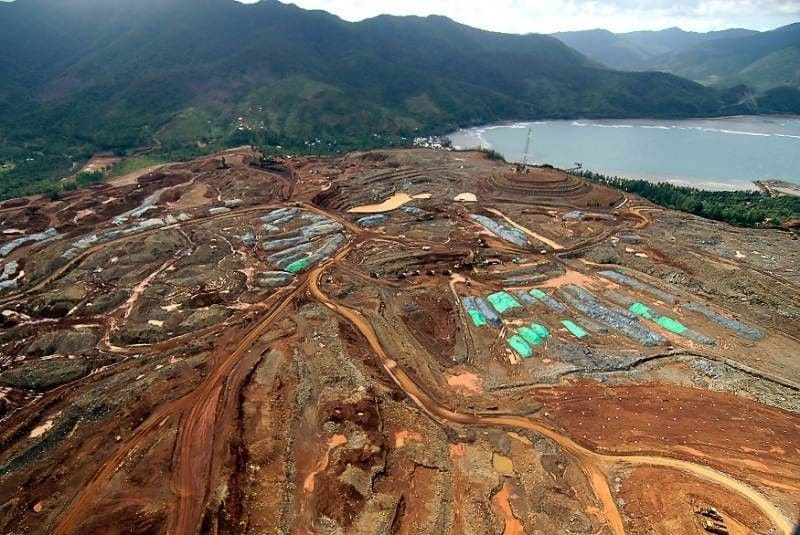
Philippine Nickel Miners Push for Unified Policy Framework as Critical Minerals Race Intensifies
Priyanka V. Rao · 3 min

Philippine Water Operator Earmarks $400 Million for Southeast Asia Expansion
Mariel D. Santos · 2 min
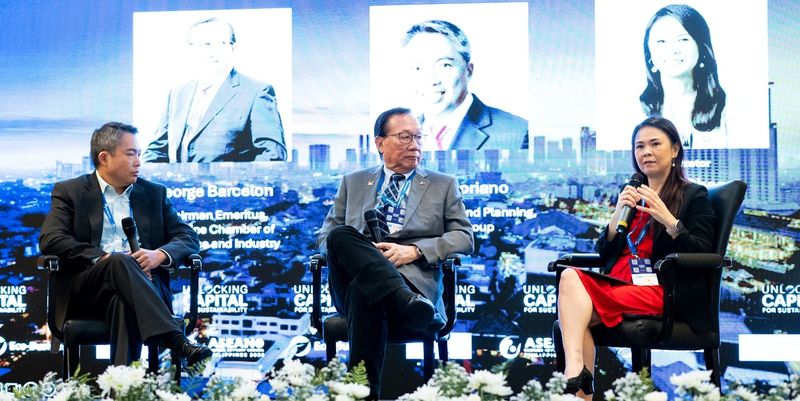
Manila's Hyperscaler Bet Draws Fire Over Job Creation and Grid Strain
Priyanka V. Rao · 5 min
Spot something wrong? Email editor@briefasia.com. We log every correction publicly.