Asia · Trade
Indonesia Awaits US Decision on Section 301 Tariffs as Temporary Duty Lapses
Jakarta has submitted its defense against forced-labor allegations as Washington prepares replacement levies on 60 economies after Supreme Court struck down earlier measures.
KEY TAKEAWAYS
- ·Indonesia has submitted clarifications to US investigators regarding forced-labor allegations under Section 301, with 60 economies facing proposed tariffs up to 12.5 percent as Washington's temporary 10 percent global duty expires Friday.
- ·The Trump administration turned to Section 301 of the Trade Act after the Supreme Court invalidated its broader tariff package in February, seeking a legal framework less vulnerable to judicial challenge.
- ·Indonesian exporters are adjusting supply chains and exploring alternative markets in anticipation of new US duties, with the outcome setting a precedent for how labor standards are used as trade restrictions.
Clock Running Out on Temporary Measure
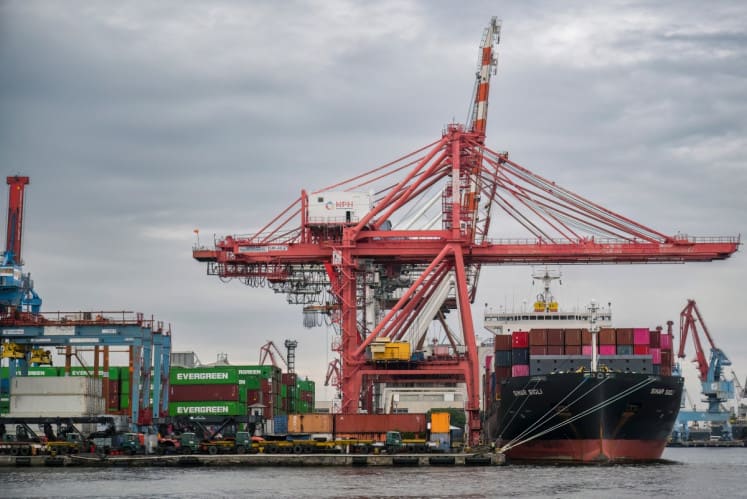
Indonesia is preparing for a new round of US trade restrictions as Washington's temporary 10 percent global tariff reaches its expiration date this week. The levy, imposed earlier this year after the Supreme Court invalidated a broader tariff package in February, lapses on Friday.
Jakarta has already responded to a US investigation under Section 301 of the Trade Act of 1974, submitting explanations and clarifications regarding allegations of forced-labor practices. Haryo Limanseto, spokesman for the Office of the Coordinating Economy Minister, confirmed that Indonesia and other affected countries are now awaiting the US Trade Representative's final determination and tariff mechanism.
The Section 301 probe, announced in early June, targets 60 economies with proposed duties of up to 12.5 percent on imports linked to alleged forced-labor concerns and unfair trade practices. Indonesia is among 14 economies facing a proposed 10 percent tariff specifically related to the forced-labor investigation.
Legal Scramble After Court Setback
The temporary global duty was President Donald Trump's stopgap response after the Supreme Court struck down his administration's initial tariff program. That earlier package had covered a wider range of imports and countries but failed to survive judicial scrutiny on procedural and constitutional grounds.
Since the February ruling, Washington has been searching for alternative legal frameworks to maintain tariff pressure. Section 301, which grants the executive branch authority to respond to unfair foreign trade practices, offers a pathway that administration officials believe will withstand legal challenges.
The Trade Act provision has been used in the past to justify levies on Chinese goods and other targeted measures, though its application to labor standards across dozens of countries simultaneously represents a broader interpretation of the statute.
Regional Exposure
Southeast Asia's largest economy is particularly exposed to any shift in US trade policy. Indonesian exports to the United States span palm oil, textiles, electronics components, and rubber products. A sustained tariff increase would affect manufacturers already navigating tight margins and regional competition from Vietnam, Thailand, and Malaysia.
The proposed Section 301 tariffs come as Jakarta has been working to strengthen trade ties with Washington, including discussions on a bilateral framework that would address labor standards, environmental commitments, and market access. Indonesian officials have emphasized improvements in workplace regulations and enforcement, particularly in export-oriented sectors.
Other economies in the crosshairs include several ASEAN members, South Asian exporters, and select African nations. The breadth of the investigation reflects a US strategy that frames labor practices as a trade competitiveness issue rather than purely a human rights concern.
Waiting on USTR
The US Trade Representative's office has not disclosed a precise timeline for its final determination. A senior administration official told media outlets in recent days that action is expected soon, but declined to specify whether announcements would come before or immediately after the temporary tariff expires.
If the Section 301 tariffs take effect as proposed, Indonesia would face a baseline 10 percent levy on a range of goods, with the possibility of higher rates on specific product categories depending on the final findings. The investigation allows for differentiated tariff levels based on the severity of alleged violations and the degree of cooperation from each government.
Indonesian exporters are already adjusting supply chain planning in anticipation of higher US duties. Some manufacturers have accelerated shipments to beat potential tariff deadlines, while others are exploring alternative markets in Europe, Japan, and the Middle East.
Next Moves
Jakarta's response has focused on procedural engagement rather than public confrontation. Officials have provided documentation of labor law reforms, inspection protocols, and enforcement data to US investigators. The strategy mirrors Indonesia's approach during previous trade disputes, where it has sought to resolve issues through technical dialogue rather than escalation.
The outcome will set a precedent for how the Trump administration applies Section 301 in its second term, particularly whether labor standards become a routine basis for trade restrictions. For Indonesia, the stakes extend beyond immediate tariff costs to the longer-term question of how it positions itself between competing US and Chinese economic spheres in Southeast Asia.
With the Friday deadline looming, Indonesian trade officials are monitoring Washington closely, ready to respond to whatever tariff structure emerges from the USTR's final determination.
RELATED STORIES
Indonesia Unveils Bid to Become Global Commodity Price-Setter
Priyanka V. Rao · 3 min
Indonesia's Record Current Account Deficit Threatens Rupiah Stability
Siti Nuraini · 3 min

Indonesia Charges Toba Pulp Lestari in $113 Million Tax Fraud Probe
Siti Nuraini · 3 min
Indonesia Faces Critical Choice Between Resource Control and Industrial Growth
Tran Quoc Bao · 3 min
Spot something wrong? Email editor@briefasia.com. We log every correction publicly.