Finance · Markets
Indian Rupee Falls to 95.62 Against Dollar on Strait of Hormuz Closure
Currency hits one-month low as Iran shuts critical shipping route, pushing oil prices up 3% and widening India's trade deficit to $30.4 billion in June
KEY TAKEAWAYS
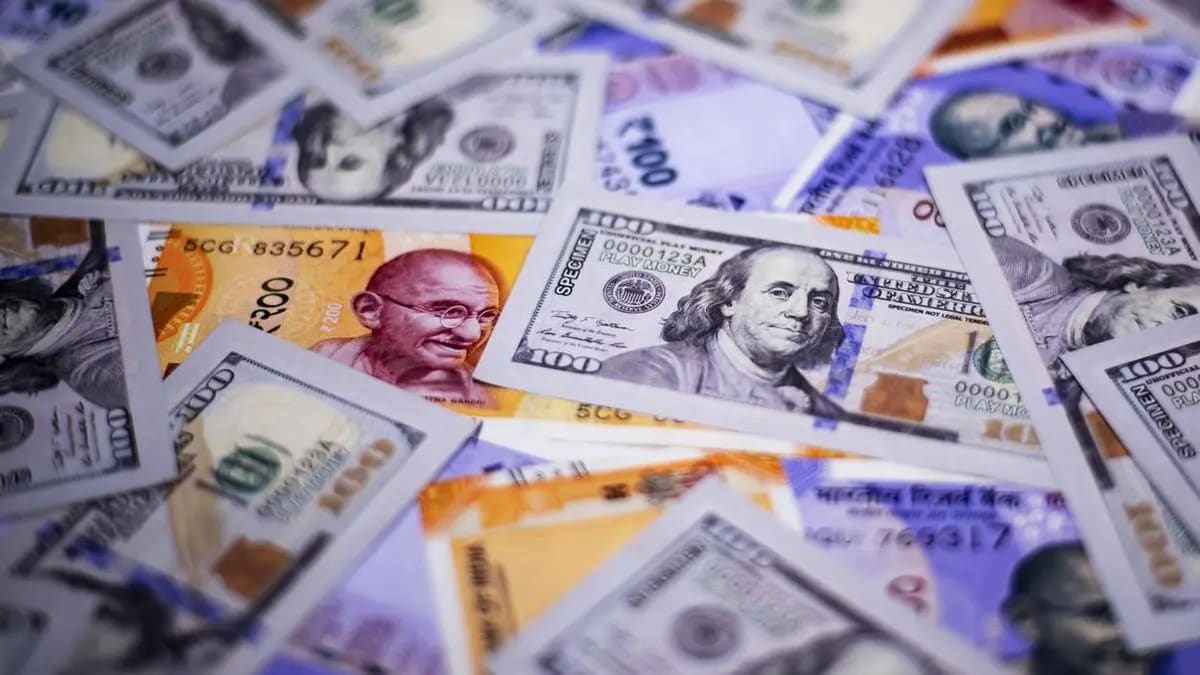
- ·The Indian rupee closed at 95.62 per dollar, its weakest level in over a month, after Iran closed the Strait of Hormuz and Brent crude rose 3% to $78 per barrel.
- ·India's merchandise trade deficit widened to $30.43 billion in June as exports fell faster than imports, with higher oil prices threatening to worsen the current account balance.
- ·Consumer inflation data due Monday is expected to exceed the Reserve Bank of India's 4% target, prompting analysts to forecast 50 basis points of rate hikes by year end.
Currency Under Pressure
The Indian rupee closed at 95.62 per US dollar on Monday, marking its weakest level in over a month as geopolitical tensions in the Gulf sent oil prices climbing. The currency lost 0.3% from its previous session close and touched an intraday low of 95.85 before intervention from the Reserve Bank of India helped limit the decline.
Brent crude rose 3% to $78 per barrel after Iran announced it had closed the Strait of Hormuz, the vital shipping lane through which roughly one-fifth of global oil supply passes. The closure followed an exchange of strikes between Tehran and Washington, reigniting concerns about energy security across Asian markets.
For India, the world's third-largest energy importer, the timing is particularly difficult. Higher oil prices widen the current account deficit, slow economic growth, and push inflation upward at a moment when the country's merchandise trade deficit has already swelled to $30.43 billion in June. Exports fell faster than imports during the month, according to data released Monday.
Heightened Depreciation Risk
Market indicators show growing nervousness about the rupee's trajectory. The one-month 25-delta dollar-rupee risk reversal, a gauge of currency depreciation risk in the options market, drifted to 0.3 from nearly zero at the start of July. The shift signals that traders are placing more bets on a weaker rupee than on a stronger one.
A trader at a state-run bank noted that the rupee's sensitivity to headlines will likely remain elevated in the near future, demanding a more assertive market presence by the Reserve Bank of India to prevent sharp moves. The central bank's intervention on Monday helped cushion what traders said would otherwise have been a steeper fall.
Inflation Concerns Mount
Investors are now watching consumer inflation data due later Monday, which is expected to show the Consumer Price Index rising above the central bank's 4% medium-term target for the first time in 16 months. That prospect has swap markets pricing in approximately 50 basis points of rate increases over the next twelve months.
Goldman Sachs analysts expect the Reserve Bank of India to raise rates by 25 basis points each in October and December if inflation remains elevated. Higher interest rates would mark a reversal from the pause in tightening that had given the rupee some breathing room earlier this year.
Energy Import Arithmetic
The closure of the Strait of Hormuz, even if temporary, underscores India's vulnerability to supply disruptions. The country imports more than 80% of its crude oil needs, and any sustained increase in prices directly hits the trade balance. A $10 increase in the price of Brent crude adds roughly $15 billion to India's annual import bill.
With the Gulf hostilities showing no immediate sign of resolution, currency strategists are bracing for continued volatility. The rupee has depreciated roughly 2% against the dollar since the start of 2026, and the latest geopolitical shock threatens to accelerate that slide unless oil prices stabilize quickly.
RELATED STORIES

Temasek Defends SIA's Air India Stake as Loss-Making Carrier Seeks $1.5 Billion
Priyanka V. Rao · 3 min

Singapore Airlines Confronts $375 Million Capital Call From Air India
Priyanka V. Rao · 3 min
Navi Secures $100 Million From Prosus Ahead of India IPO Push
Priyanka V. Rao · 2 min
Sembcorp Pours Cold Water on Indian Green Energy IPO Reports
Priyanka V. Rao · 3 min
Spot something wrong? Email editor@briefasia.com. We log every correction publicly.