Finance · Markets
India's SEBI Halts Trading in Darjeeling Industries Over Warrant Fraud Allegations
Market regulator finds evidence of circular fund flows and price manipulation in ₹11.76-crore preferential allotment scheme involving 10 entities
KEY TAKEAWAYS
- ·SEBI has barred 10 entities, including Ashok Dilipkumar Jain, from trading Darjeeling Industries shares over an alleged ₹11.76-crore warrant fraud scheme involving circular fund flows.
- ·The regulator traced 58 percent of the initial ₹2.94-crore subscription amount back to Jain through connected entities, with funds allegedly diverted to unrelated businesses within two days.
- ·The entities face potential gains of ₹18 crore to ₹29.05 crore from their holdings if unchecked, and have 21 days to respond to the interim order.
The Freeze
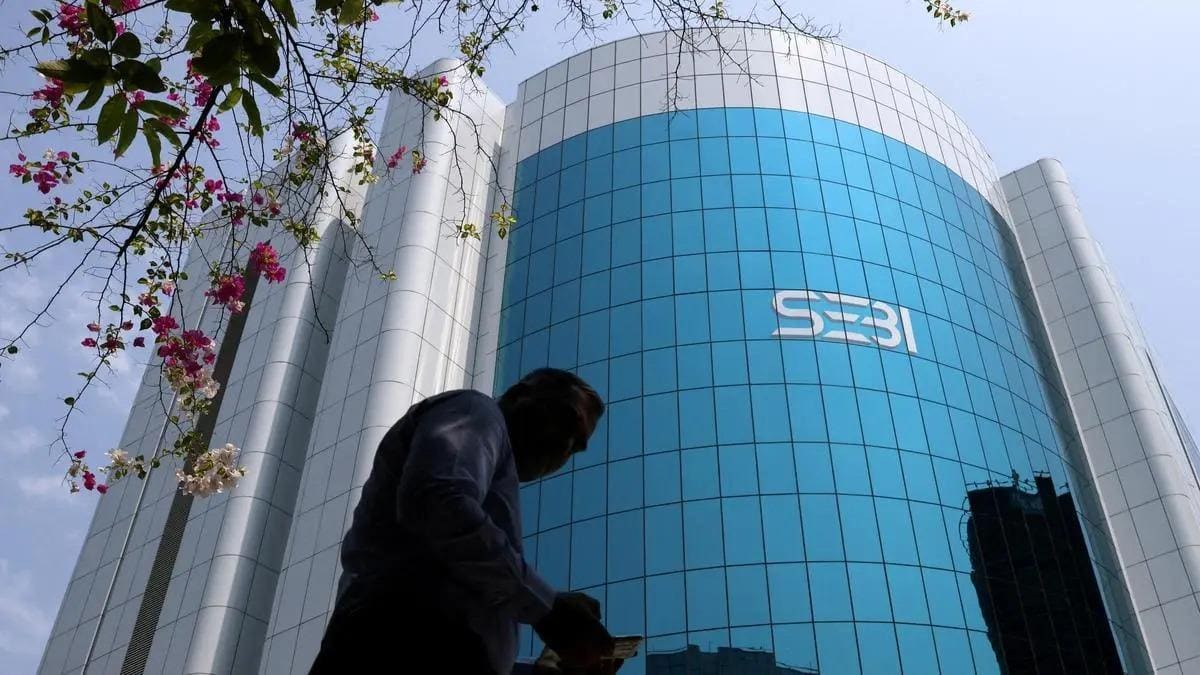
India's Securities and Exchange Board has barred 10 individuals and entities from trading shares of Darjeeling Industries Ltd after identifying what it calls a fraudulent scheme involving preferential warrant allotments and circular fund movements. The interim order, issued Tuesday, targets Ashok Dilipkumar Jain and nine other allottees who participated in a ₹11.76-crore warrant issuance.
SEBI's 62-page order alleges the group orchestrated a manipulation scheme using connected entities to artificially influence the company's stock price. The regulator examined transactions spanning September 2024 through December 2025, tracing fund flows beyond that window to map the full network.
The Mechanics
Darjeeling Industries issued 70 lakh warrants on a preferential basis to 10 non-promoter allottees. The regulator alleges many subscribers were funded directly or indirectly by Jain or his connected entities. Of the ₹2.94 crore collected as the initial 25 percent subscription payment, SEBI traced ₹1.71 crore, or 58 percent, back to Jain through layered transactions.
The pattern raised immediate red flags. According to SEBI, the ₹2.94 crore received by Darjeeling Industries was transferred back to Jain within two days, then routed through the company again before being diverted to several unrelated entities. The regulator found payments flowing to businesses operating in baby care products, aluminium recycling, laundry services, and food processing, none of which align with Darjeeling Industries' stated operations in agricultural trading.
Site visits to the company's registered offices in Mumbai and Rajkot found no active operations at either location. The company's website was non-functional.
The Timing
Darjeeling Industries had reported negligible revenue for two years before Jain assumed the role of Managing Director in October 2024. Following his appointment, the company's financial performance showed a sharp upturn, coinciding with the warrant issuance and subsequent transactions under scrutiny.
SEBI's investigation uncovered electronic communications and WhatsApp chats indicating Jain was in contact with Surendra Jain, who is already under investigation in a separate SEBI matter. The messages referenced shareholder lists, company affairs, and payments, suggesting coordination aimed at manipulating Darjeeling Industries' shares, according to the regulator.
The Risk
SEBI whole-time member Kamlesh Varshney emphasized the need for immediate action to prevent the group from benefiting from the alleged scheme and moving assets beyond regulatory reach. The regulator estimates the 10 entities could potentially realize between ₹18 crore and ₹29.05 crore from their holdings if left unchecked.
The interim order restrains all 10 entities from buying, selling, or dealing in Darjeeling Industries shares until further notice. They must cooperate with the ongoing investigation and have 21 days to file responses and request a personal hearing.
The Pattern
The case illustrates a familiar template in India's small-cap equity markets: preferential allotments to connected parties, circular fund flows designed to obscure the source of capital, and sharp price movements following changes in management or reported financial performance. SEBI has stepped up enforcement in this area over the past two years, targeting shell entities and layered transactions that facilitate stock manipulation.
For investors in thinly traded stocks, the Darjeeling Industries case underscores the importance of scrutinizing preferential allotments, verifying operational presence, and tracing the origin of funds in sudden turnaround stories. The regulator's ability to freeze trading and holdings pending investigation serves as a deterrent, but enforcement remains reactive, arriving only after alleged schemes have unfolded.
The 10 entities now face the burden of demonstrating the legitimacy of their transactions and the commercial rationale for fund flows that SEBI has characterized as circular and fraudulent. Until the investigation concludes, their stakes in Darjeeling Industries remain locked.
RELATED STORIES

Temasek Defends SIA's Air India Stake as Loss-Making Carrier Seeks $1.5 Billion
Priyanka V. Rao · 3 min

Singapore Airlines Confronts $375 Million Capital Call From Air India
Priyanka V. Rao · 3 min
Razorpay Deploys Foundation AI Model Across India's Payment Rails
Priyanka V. Rao · 2 min

Navi Secures $100 Million From Prosus Ahead of India IPO Push
Priyanka V. Rao · 2 min
Spot something wrong? Email editor@briefasia.com. We log every correction publicly.