Finance · Deals
Hyundai Motor Profit Drops 21 Percent as Raw Material Costs Bite
South Korea's largest automaker posted $1.94 billion in second-quarter operating profit despite hitting record quarterly revenue, as supply chain pressures offset strong hybrid sales
KEY TAKEAWAYS
- ·Hyundai Motor reported second-quarter operating profit of $1.94 billion, down 20.8 percent year-on-year, while revenue hit a record 49.22 trillion won.
- ·Rising raw material costs and production disruptions eroded margins despite strong demand for hybrid vehicles in North America and Europe.
- ·Operating margin contracted to 5.8 percent from 7.3 percent a year earlier, signaling acute cost pressures across Asia's automotive supply chain.
Profit Squeeze Amid Revenue Growth
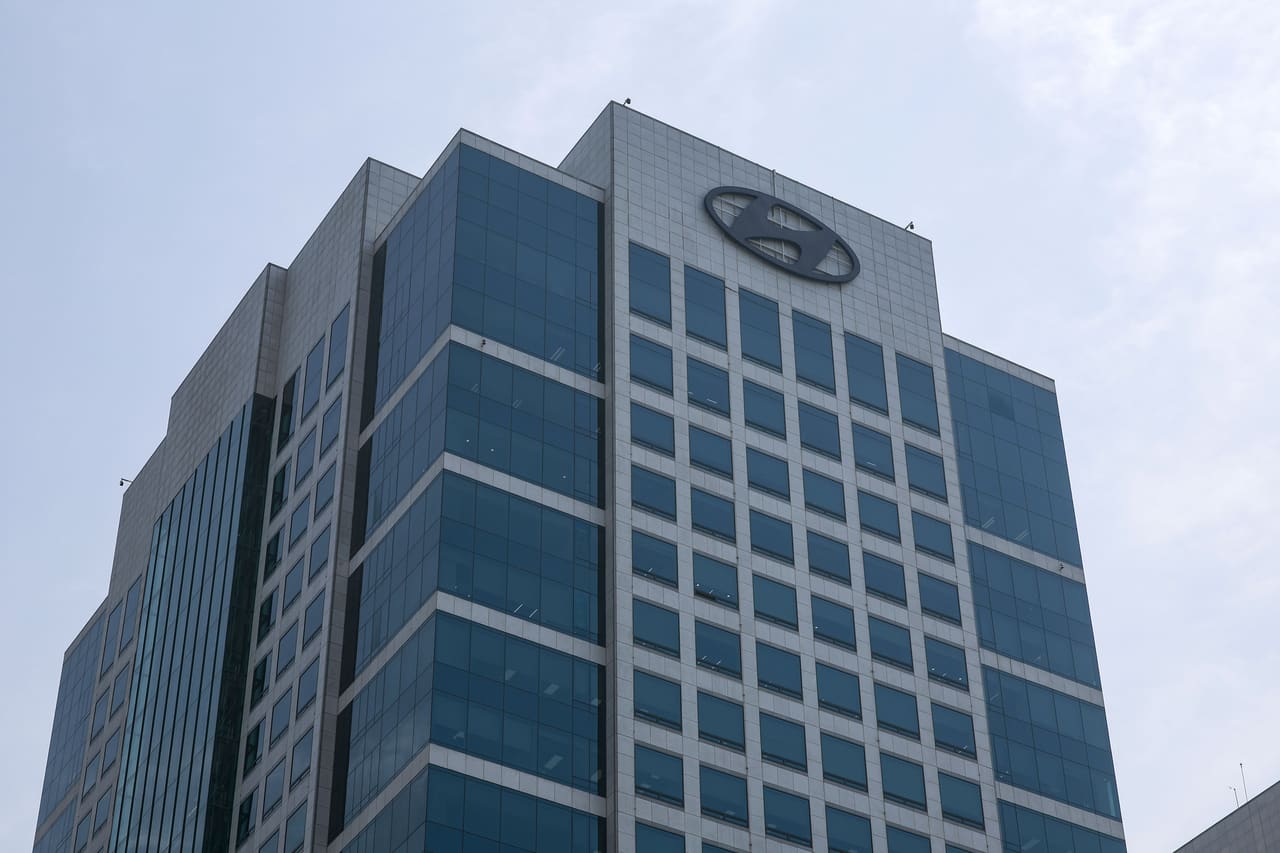
Hyundai Motor posted a 20.8 percent decline in operating profit for the second quarter, even as the Seoul-based automaker recorded its highest quarterly revenue on record. The company reported operating profit of 2.85 trillion won ($1.94 billion) for the April-June period, down from 3.6 trillion won in the same quarter last year, according to the company's Thursday announcement.
Revenue climbed 1.9 percent to 49.22 trillion won, marking a new quarterly high for the automaker. The divergence between top-line growth and shrinking margins highlights the pressure facing Asian auto manufacturers as they navigate a volatile cost environment.
Cost Pressures Override Demand Strength
Rising raw material expenses emerged as the primary drag on profitability during the quarter. Steel, aluminum, and battery component prices have maintained elevated levels throughout the first half of the year, squeezing margins across the automotive supply chain.
Production disruptions compounded the cost challenges. While Hyundai did not detail the specific nature of these disruptions, industry-wide semiconductor shortages and logistics bottlenecks have continued to affect output schedules for major manufacturers across the region.
The profit decline comes despite strong consumer appetite for the company's hybrid lineup. Hyundai has positioned itself aggressively in the hybrid segment, particularly in North American and European markets where regulatory tailwinds and fuel price volatility have driven buyers toward electrified powertrains that stop short of full battery-electric vehicles.
Regional Context
The earnings snapshot from Hyundai reflects broader dynamics in Asia's automotive sector. Japanese rivals Toyota and Honda have similarly reported margin compression in recent quarters, even as unit sales remain resilient. The pattern underscores a structural challenge: automakers are selling more vehicles and booking higher revenue, yet cost inflation is outpacing pricing power.
Seoul has watched its flagship exporters grapple with this margin squeeze at a time when the won's relative weakness should theoretically boost overseas earnings when repatriated. Instead, the benefit has been neutralized by input cost inflation and the need to absorb production inefficiencies.
Hyundai's hybrid strategy is particularly significant for Asia's automotive value chain. The company sources battery cells and power electronics from South Korean suppliers LG Energy Solution and SK On, creating a tightly integrated regional ecosystem. Strong hybrid sales, therefore, ripple through the supply base, even if profitability at the assembly level is under pressure.
What the Numbers Mean
The 21 percent profit drop on near-flat revenue growth translates to a sharp contraction in operating margin. Hyundai's second-quarter operating margin fell to approximately 5.8 percent, down from 7.3 percent a year earlier. For a high-volume manufacturer, a 150-basis-point margin compression in a single year signals acute cost control challenges.
Investors will watch whether the company can stabilize margins in the second half of the year. Commodity prices have shown signs of cooling in recent weeks, and if production disruptions ease, Hyundai may see some relief. However, the trajectory of raw material costs remains unpredictable, and any renewed supply chain shocks could extend the margin pressure.
Outlook and Investor Sentiment
Hyundai has not issued revised guidance for the full year, but the second-quarter results suggest the company will need a stronger second half to meet earlier profit targets. The automaker's ability to pass additional costs to consumers without dampening demand will be tested in the coming months, particularly in price-sensitive markets across Southeast Asia and India.
Hybrid vehicle momentum offers a partial buffer. Unlike the binary bet on pure electric vehicles, hybrids allow Hyundai to capture environmentally conscious buyers while avoiding the infrastructure and range anxiety concerns that still limit battery-electric adoption in many Asian markets. The company's hybrid sales growth in the quarter suggests this middle path is resonating.
For now, Hyundai's earnings illustrate a familiar tension in Asia's manufacturing economy: revenue growth is achievable, but profitability requires navigating a minefield of input costs, supply fragility, and competitive pricing. The automaker's third-quarter performance will clarify whether the second quarter was an anomaly or the start of a more sustained margin challenge.
RELATED STORIES
Samsung Biologics Plans $2.2 Billion Rights Offering to Fund Peptide Acquisition
Jun-ho Seo · 3 min
South Korea Breaks Full-Year Export Record in September
Tran Quoc Bao · 3 min

Samsung Electronics Drops 8% as Market Questions Buyback Strategy
Cheng Wei-Lun · 2 min

Japan Deploys $96.5 Billion in Currency Intervention to Halt Yen's Slide
Aiko Nakamura · 3 min
Spot something wrong? Email editor@briefasia.com. We log every correction publicly.