Finance · Deals
HSBC Sheds A$36 Billion Australian Loan Book in Blackstone Deal
The London-based lender accelerates its retail retreat as CEO Georges Elhedery refocuses capital on institutional banking and higher-margin markets across Asia-Pacific.
KEY TAKEAWAYS
- ·HSBC is selling its A$36 billion Australian home and personal loan portfolio to a Blackstone-controlled vehicle, with the deal expected to close in the first half of 2027.
- ·The transaction is part of CEO Georges Elhedery's strategy to exit low-return consumer banking and redeploy capital into higher-margin corporate and institutional operations across Asia-Pacific.
- ·HSBC will book a loss of less than US$100 million and incur US$300 million in restructuring costs, with no impact on its Common Equity Tier 1 capital ratio.
The Transaction
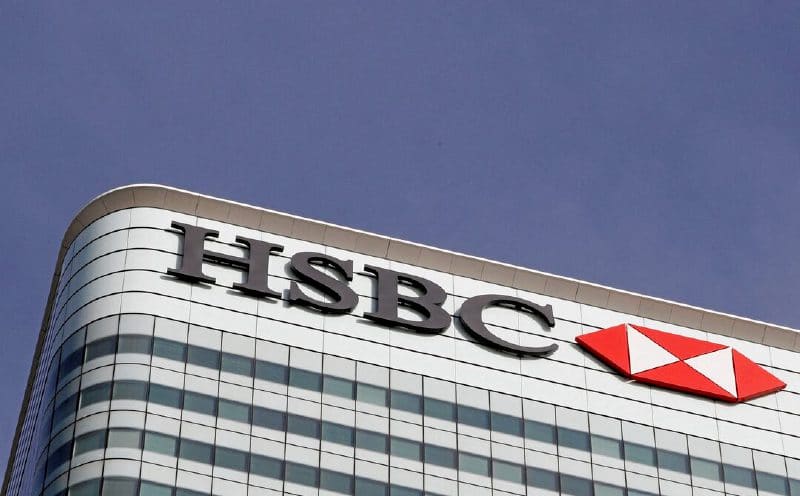
HSBC announced the sale of its A$36 billion (US$25.3 billion) Australian residential mortgage and personal loan portfolio to Virgo BidCo, a vehicle controlled by Blackstone-managed funds. The transaction is expected to close in the first half of 2027, pending regulatory and competition clearances.
The disposal forms part of a broader strategy under CEO Georges Elhedery to simplify the bank's structure, cut costs, and redeploy capital into businesses that generate stronger returns. Since taking the helm in September 2024, Elhedery has trimmed management layers, exited non-core markets, and narrowed the bank's geographic spread.
HSBC said it plans to maintain and grow its corporate and institutional banking operations in Australia and New Zealand, signaling that the retreat is limited to retail lending rather than a full departure from the market.
A Pattern of Exits
The Australian sale follows a string of similar moves. Last week HSBC agreed to offload its Singapore insurance business to Allianz SE, and in May it struck a deal to sell its retail and wealth operations in Indonesia to Oversea-Chinese Banking Corp. Each divestment reflects the same calculus: lower capital intensity, higher returns, and a tighter focus on wholesale banking.
Since the global financial crisis, HSBC has been steadily withdrawing from consumer banking in markets where scale or profitability fell short. It has exited retail operations in France, Greece, and Canada, among others, as part of a multi-year effort to rationalize its footprint and improve shareholder returns.
The Australian portfolio sale is one of the largest single disposals in that campaign, underscoring the bank's willingness to exit even sizable books when they no longer fit strategic priorities.
Blackstone's Australian Bet
Blackstone said it has been investing in Australia for nearly two decades and intends to continue allocating capital to the country's housing market. The firm has built a track record in acquiring and managing residential loan portfolios, leveraging its scale and servicing infrastructure to extract value from assets that incumbent banks view as non-core.
The acquisition adds a substantial Australian mortgage book to Blackstone's credit portfolio at a time when the country's housing market faces headwinds. Higher borrowing costs and recent tax policy changes have dampened investor demand, and major local lenders have reported softening application volumes.
Westpac noted in June that mortgage applications had fallen 10 percent since the government's May budget, while National Australia Bank reported a 15 percent decline in applications during the June quarter. Those dynamics may have contributed to HSBC's decision to exit, as slower origination and tighter margins make retail lending less attractive.
Financial Impact
HSBC expects to book a loss of less than US$100 million on the transaction by the first half of 2027. The bank will also incur approximately US$300 million in restructuring costs tied to winding down its retail operations in Australia, plus around US$300 million in foreign currency translation losses. It stated that the disposal will have no impact on its Common Equity Tier 1 ratio, a key measure of capital strength.
The relatively modest loss and neutral capital effect suggest the portfolio was priced close to book value and that HSBC views the strategic benefits of redeployment as outweighing the near-term hit to earnings.
Asia-Pacific Repositioning
The Australian exit sits within a broader pivot toward institutional and wealth clients in higher-growth Asian markets. HSBC has long positioned itself as a bridge between East and West, with deep roots in Hong Kong, Singapore, and mainland China. By shedding consumer lending in mature, lower-margin markets, the bank aims to free up capital for trade finance, corporate lending, and private banking in cities such as Hong Kong, Singapore, and Shanghai.
That repositioning aligns with Elhedery's mandate to boost returns and streamline operations. The bank's Asia franchise remains its profit engine, and concentrating resources there allows it to defend market share against regional competitors and capitalize on cross-border flows as supply chains and capital markets continue to integrate across the region.
For Blackstone, the deal represents a bet that it can manage the Australian loan book more efficiently than a global bank juggling dozens of portfolios. For HSBC, it is another chapter in a decade-long story of shrinking to grow.
RELATED STORIES

HSBC Exits Australian Mortgages With $25 Billion Blackstone Sale
Priyanka V. Rao · 3 min
HSBC Exits Australian Retail Banking With A$36 Billion Sale to Blackstone
Priyanka V. Rao · 3 min
Allianz Acquires HSBC Singapore Insurance Operations in $2.3 Billion Deal
Priyanka V. Rao · 3 min
HSBC Names Dual Leaders for Insurance Unit After CEO Exit
Priyanka V. Rao · 2 min
Spot something wrong? Email editor@briefasia.com. We log every correction publicly.