Asia · Business
Hong Kong Retail Sales Climb 8% in May, Marking 13 Months of Consecutive Growth
The city's retail sector reaches HK$33.8 billion in monthly sales as recovery from pandemic-era lows gains momentum
KEY TAKEAWAYS
- ·Hong Kong retail sales reached HK$33.8 billion in May, up 7.9% from the prior year and marking the sector's 13th consecutive month of year-on-year growth.
- ·January-to-May retail sales climbed 10.6% year-on-year, outpacing the single-month gain and signaling strengthening momentum across the first half of the year.
- ·The recovery follows years of pandemic disruption and competition from mainland shopping alternatives, with tourist flows and local consumption both contributing to recent gains.
Sustained Recovery Takes Hold
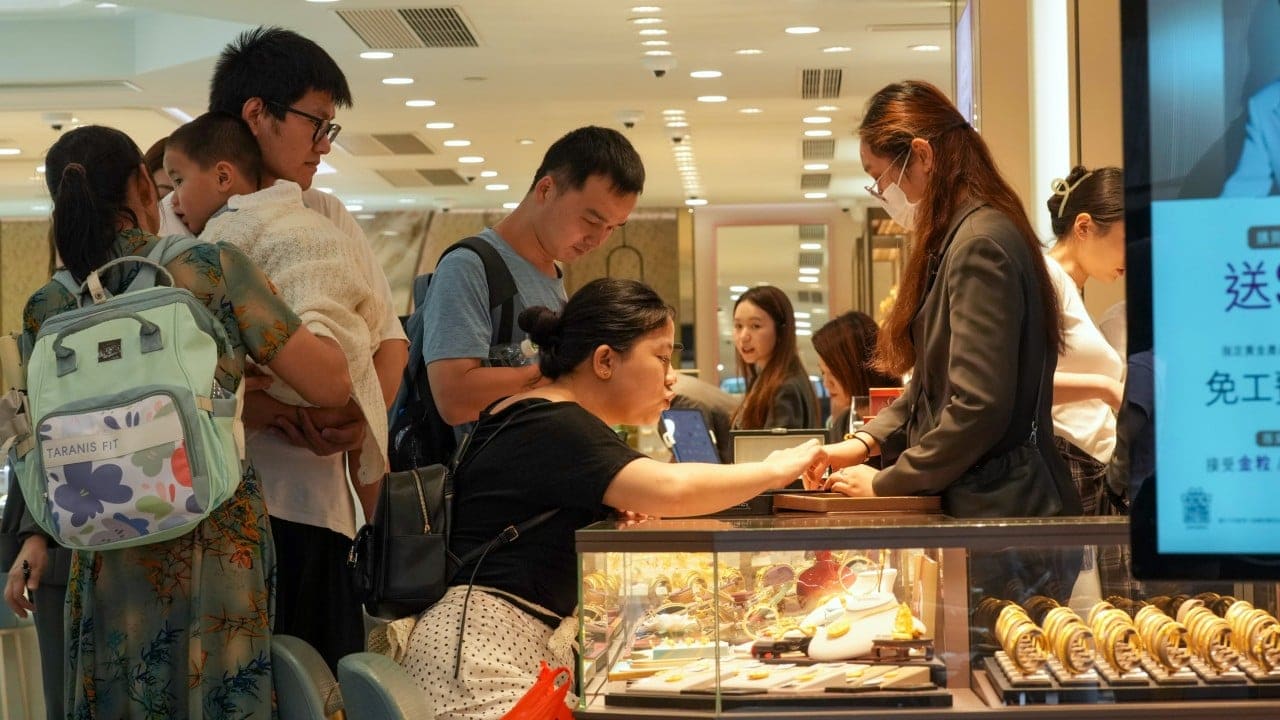
Hong Kong's retail sector recorded HK$33.8 billion (US$4.3 billion) in sales during May, representing a 7.9% increase compared to the same month in 2025, according to government data. The figure extends the sector's expansion run to 13 consecutive months, signaling a sustained recovery after years of pandemic-related disruption and competition from mainland shopping destinations.
The May performance builds on momentum established earlier in the year. Retail sales for the January-to-May period climbed 10.6% year-on-year, outpacing the single-month gain and suggesting strengthening consumer confidence across multiple quarters.
Sales in May 2025 stood at HK$31.3 billion, meaning the city added HK$2.5 billion in retail volume over the 12-month span. The growth comes as Hong Kong works to reclaim its reputation as a regional shopping hub, a status that eroded during border closures and the subsequent shift in mainland Chinese consumer behavior toward domestic and cross-border alternatives.
The Road Back from Pandemic Lows
The retail sector faced compounding pressures over the past five years. Covid-19 border restrictions severed tourist flows, particularly from mainland China, which historically accounted for the majority of visitor spending. Even after borders reopened, Hong Kong retailers confronted a new reality: mainland consumers had developed habits around domestic luxury shopping and trips to destinations like Hainan, which offers duty-free incentives.
The 13-month streak marks a turning point. While the sector has not returned to pre-2019 peaks, the consistent monthly gains suggest structural adjustments, renewed tourist interest, and potentially stronger local consumption are taking effect.
Government stimulus measures, including consumption vouchers distributed to residents, have played a role in supporting domestic demand. Meanwhile, the return of mainland tour groups and individual travelers has injected fresh spending into jewelry, watches, cosmetics, and fashion categories that anchor Hong Kong's retail landscape.
What's Driving the Numbers
Several factors underpin the recent performance. The resumption of large-scale events, from Art Basel Hong Kong to international finance conferences, has brought high-spending visitors back to the city. Luxury brands have also rolled out exclusive product launches and pop-up experiences, attempting to differentiate Hong Kong from mainland retail options.
Currency dynamics may be contributing as well. The Hong Kong dollar's peg to the US dollar means that for some regional shoppers, particularly those holding currencies that have weakened against the dollar, Hong Kong pricing remains competitive despite the strength of the yuan.
Retail categories have shown varied performance. Jewelry, watches, and luxury goods typically lead growth during tourist-driven recoveries, while everyday consumer goods and supermarket sales reflect local household sentiment. The aggregate 7.9% gain in May suggests both segments are participating in the upswing, though granular category data will clarify the composition.
Challenges Remain Beneath the Surface
The positive trajectory does not erase underlying vulnerabilities. Mainland China's economic growth has slowed, with consumer spending there under pressure from property-market stress and uneven post-pandemic recovery. If mainland household income and confidence weaken further, discretionary spending on Hong Kong shopping trips could plateau or reverse.
Competition from other Asian retail hubs is intensifying. Singapore, Tokyo, and Seoul have all invested in tourism infrastructure and retail experiences, vying for the same pool of affluent Asian travelers. Hong Kong's edge in proximity to the Greater Bay Area remains an asset, but it is no longer a guaranteed advantage.
Rental costs for prime retail space, while lower than peak years, still constrain smaller merchants. The sector's recovery has been uneven, with flagship luxury stores rebounding faster than independent boutiques and neighborhood shops. Sustaining broad-based growth will require more than tourist spending; it will demand a resilient local economy and wage growth that supports household consumption.
Outlook and Next Milestones
The 13-month run provides a foundation, but the test ahead is whether Hong Kong can convert episodic gains into a durable, multi-year expansion. Government and industry groups are eyeing the summer travel season and the return of major mainland Chinese holidays as key indicators. If sales hold above the 7-8% growth band through the third quarter, confidence in a structural turnaround will strengthen.
Retailers are also watching policy signals from Beijing. Any措施 to ease travel or spending restrictions for mainland tourists could amplify the current momentum. Conversely, tighter capital controls or shifts in domestic consumption policy could dampen outbound shopping appetite.
For now, the data tells a story of recovery in motion. Hong Kong's retail sector, once written off as a casualty of pandemic and shifting consumer patterns, is proving it retains appeal. Whether that appeal can be sustained, broadened, and deepened will determine if the city truly reclaims its place as Asia's premier shopping destination.
RELATED STORIES
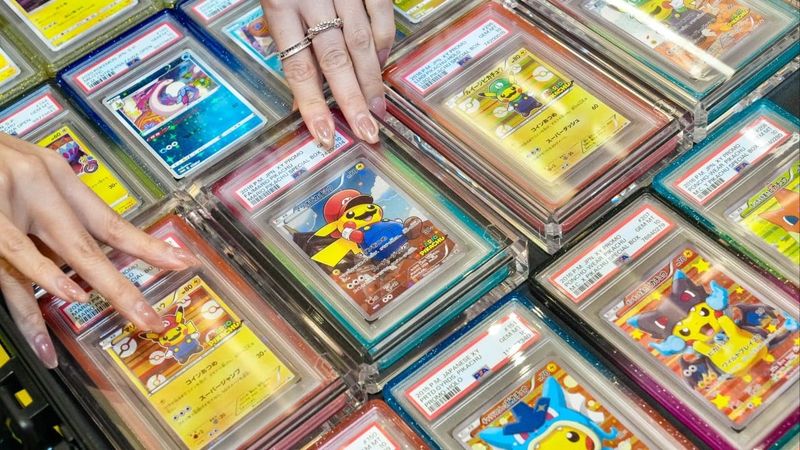
Hong Kong's Pokemon Card Market Transforms Into Alternative Asset Class
Lim Hui Ying · 4 min
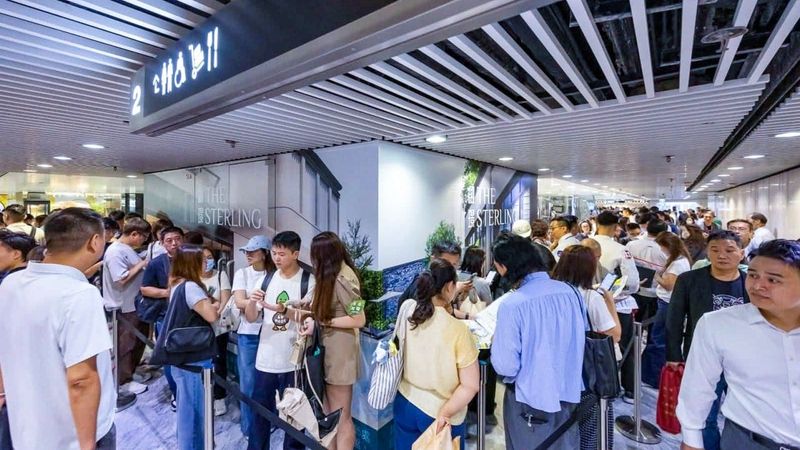
Hong Kong Housing Market Tests Durability as Flipper Activity Drops
Cheng Wei-Lun · 3 min
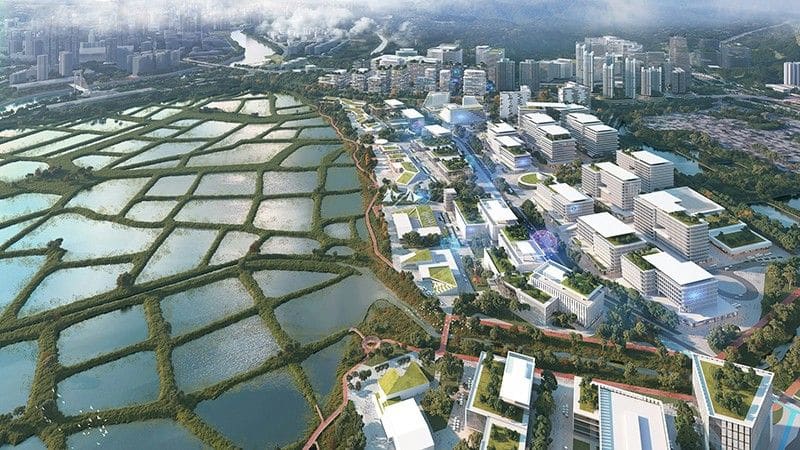
Philippines Builds Twin Export Engine on Electronics and Workforce Scale
Priyanka V. Rao · 3 min
China's Social Security Fund Doubles Offshore Holdings to $86 Billion
Jun-ho Seo · 3 min
Spot something wrong? Email editor@briefasia.com. We log every correction publicly.