Asia · Politics
Hong Kong Legislators Face Scrutiny Over Links to US-Sanctioned Chinese Firms
London think tank raises alarm about growing connections between lawmakers and companies blacklisted for alleged military ties
KEY TAKEAWAYS
- ·The China Strategic Risks Institute found increasing connections between Hong Kong Legislative Council members and Chinese companies on US blacklists for alleged military ties.
- ·The relationships raise compliance concerns for international banks operating in Hong Kong, which must navigate potential secondary sanctions while facilitating mainland capital flows.
- ·Hong Kong's positioning as a neutral financial bridge between China and global markets faces growing strain as US sanctions expand and lawmakers' mainland ties deepen.
Growing Web of Connections
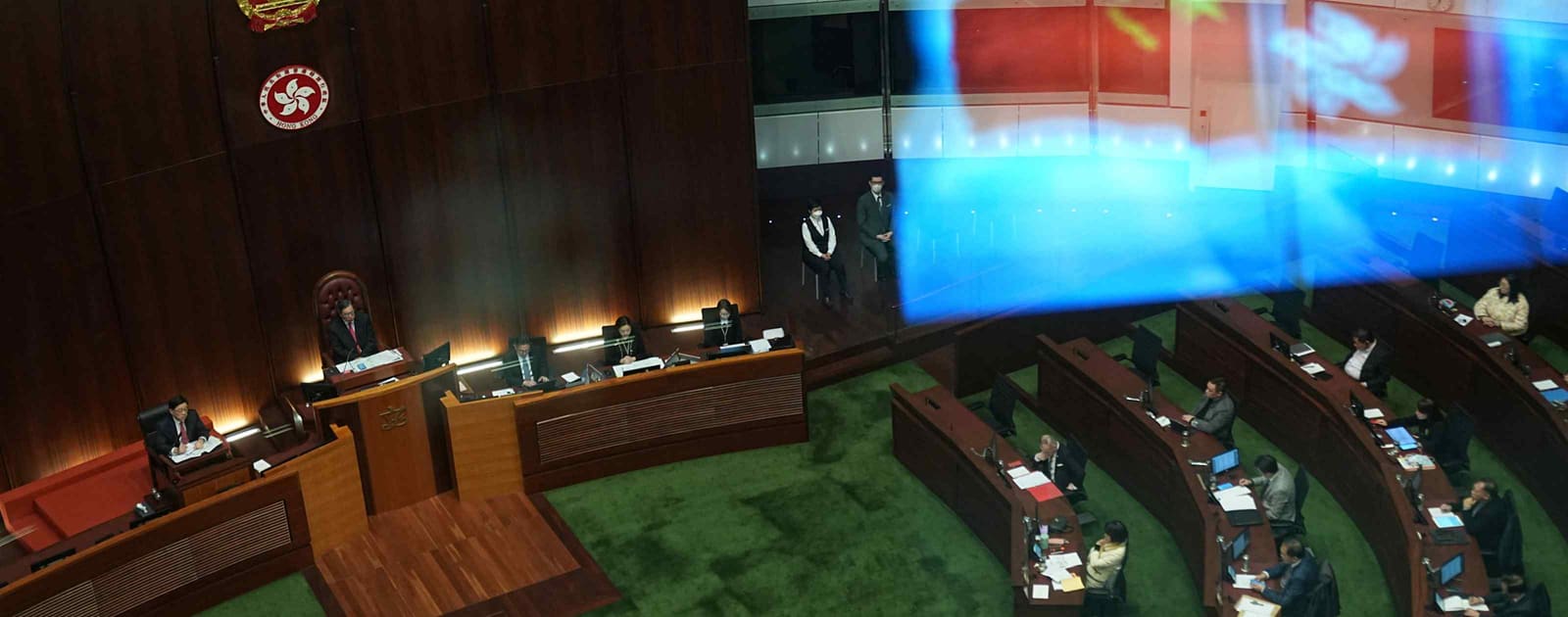
Members of Hong Kong's Legislative Council are developing deeper connections with Chinese companies that Washington has flagged for alleged military links, according to research published by the China Strategic Risks Institute (CSRI). The London-based think tank's findings arrive as the city attempts to maintain its position as a global financial center while navigating increasingly complex geopolitical pressures.
The research highlights a pattern that has intensified in recent years, with lawmakers holding positions or interests in firms that appear on various US sanctions lists. These blacklists target companies Washington believes support China's military modernization or contribute to activities that threaten American national security interests.
Sanctions Architecture and Hong Kong Exposure
US export controls and entity list designations have expanded significantly since 2020, encompassing hundreds of Chinese firms across technology, defense, and industrial sectors. Companies on these lists face severe restrictions on accessing American technology, components, and capital markets.
For Hong Kong, the implications extend beyond individual lawmakers. Financial institutions operating in the city must navigate compliance requirements that can conflict with their role in facilitating mainland China's capital flows. Banks face potential secondary sanctions if they knowingly process transactions involving blacklisted entities, creating a compliance minefield for institutions with operations spanning both jurisdictions.
The CSRI report does not allege wrongdoing by the lawmakers themselves. Rather, it maps relationships that could complicate Hong Kong's efforts to reassure international investors and financial institutions about the separation between the city's commercial ecosystem and entities subject to Western sanctions.
The Finance Hub Dilemma
Hong Kong has long marketed itself as the bridge between China and global capital markets. That positioning grows more precarious as US-China tensions deepen and Washington's sanctions toolkit expands. The city's Legislative Council, stacked with pro-Beijing figures following electoral reforms implemented under the 2020 national security law, now includes members whose business interests intersect with sanctioned mainland firms.
Chief Executive John Lee, himself subject to US sanctions since 2020 for his role in implementing Beijing's security policies, has championed closer integration with mainland economic initiatives. His administration has pushed to deepen Hong Kong's role in supporting Chinese technology development and manufacturing supply chains, sectors that overlap heavily with US sanctions targets.
International banks operating in Hong Kong have quietly increased compliance staff and tightened due diligence protocols. Several institutions have reduced exposure to clients with unclear beneficial ownership structures or connections to sanctioned entities, according to industry sources. These moves reflect growing anxiety about inadvertent sanctions violations that could trigger penalties from US regulators.
Regional Context
Hong Kong's predicament mirrors challenges facing other Asian financial centers attempting to maintain neutrality in the US-China contest. Singapore has positioned itself as an alternative hub for firms seeking to avoid geopolitical crosswinds, while Tokyo has aligned more closely with Washington's technology restrictions targeting Beijing.
The CSRI research adds to a body of work examining how China's political and economic systems increasingly overlap in ways that create friction with Western regulatory frameworks. Previous studies have documented the difficulty of distinguishing purely commercial Chinese entities from those with state security functions, particularly in advanced technology sectors.
For multinational corporations with significant Hong Kong operations, the blurring lines present strategic questions. Some firms have begun separating their China and Hong Kong operations more distinctly, while others have consolidated functions in Singapore or other regional hubs perceived as carrying less sanctions risk.
What Comes Next
The Legislative Council connections documented by CSRI are unlikely to trigger immediate consequences. US sanctions enforcement focuses primarily on direct transactions and technology transfers rather than indirect business relationships or governance roles. However, the research provides ammunition for critics who argue that Hong Kong's autonomy has eroded to the point where it can no longer credibly claim separation from mainland political and security priorities.
Financial regulators in Hong Kong have not commented on the CSRI findings. The city's government has consistently maintained that it complies with United Nations sanctions but does not recognize unilateral measures imposed by individual countries, including the United States.
That position may prove increasingly difficult to sustain as Washington expands its sanctions architecture and European jurisdictions adopt similar measures. Hong Kong's financial sector, built on access to dollar clearing systems and Western capital markets, cannot easily insulate itself from rules set by major economies even if the city's government declines to formally recognize them.
The stakes extend beyond Hong Kong. How the city navigates this tension will signal whether Asian financial centers can maintain genuine neutrality in an era of strategic competition, or whether geography and political alignment will inevitably determine their role in global capital flows.
RELATED STORIES

Hong Kong Wealth Hub Resilient Despite Beijing Investment Restrictions
Cheng Wei-Lun · 3 min
Hong Kong Debuts Robot-Run Convenience Store in Commercial Automation Push
Cheng Wei-Lun · 3 min
Hong Kong Awards First Northern Metropolis Land to Mainland-Local Consortium
Cheng Wei-Lun · 3 min
China's Social Security Fund Doubles Offshore Holdings to $86 Billion
Jun-ho Seo · 3 min
Spot something wrong? Email editor@briefasia.com. We log every correction publicly.