Finance · Markets
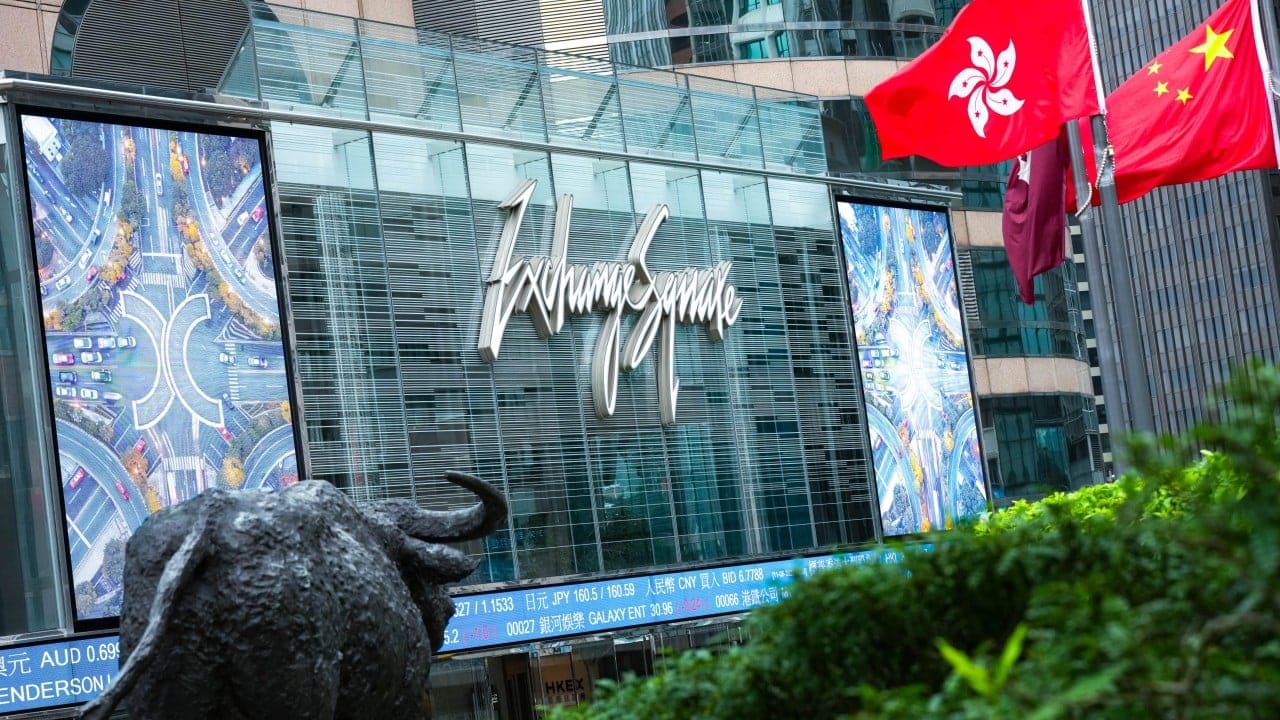
Hong Kong IPO Market Surges 84% in First Half of 2026
The exchange raised $26.4 billion across 84 listings, with mainland Chinese tech and consumer firms dominating the resurgence
KEY TAKEAWAYS
- ·Hong Kong's stock exchange raised $26.4 billion in the first half of 2026, an 84.3 per cent increase year-on-year, ranking second globally for capital raised.
- ·Mainland Chinese issuers contributed 98.5 per cent of total proceeds across 84 listings, with advanced technology and consumer staples sectors absorbing the majority of investor capital.
- ·Victory Giant Technology led with a $2.73 billion IPO focused on AI chips, while the second-half pipeline includes over 60 companies targeting more than $20 billion in combined fundraising.
Capital Flight Returns to Hong Kong
Hong Kong's stock exchange reclaimed its position as a global fundraising hub in the first six months of 2026, pulling in $26.4 billion through initial public offerings and secondary listings. The figure represents an 84.3 per cent jump from the same period a year earlier, according to exchange data, and placed the city second worldwide for capital raised during the period.
Eighty-four companies debuted on the Hong Kong exchange between January and June. Mainland Chinese issuers dominated the roster, contributing 98.5 per cent of total proceeds. The concentration signals a continued preference among Chinese firms for offshore listings despite regulatory uncertainty and geopolitical friction that had dampened enthusiasm in prior years.
Two sectors absorbed the bulk of investor capital: advanced technology and consumer staples. The pattern reflects broader shifts in Asia's investment landscape, where semiconductor supply chains and domestic consumption remain focal points for institutional money.
Tech Hardware Leads the Pack
Victory Giant Technology topped the league table with a $2.73 billion offering, the largest single deal of the half. The company manufactures AI accelerator chips and high-performance computing modules, products in high demand as data centers across Asia expand capacity to support generative AI workloads.
The listing came amid a regional push to localize semiconductor production. Governments in Japan, South Korea, and Taiwan have committed tens of billions in subsidies to fab construction and equipment purchases, creating downstream demand for packaging and testing services that Victory Giant supplies.
Investor appetite for the stock remained strong through the first day of trading, with shares closing 18 per cent above the offer price. Analysts pointed to the company's exposure to hyperscale cloud operators and its partnerships with leading foundries as key attractions.
Consumer Brands Tap Public Markets
The second-largest deal of the period was a consumer play. An energy drink manufacturer raised $1.85 billion in an oversubscribed offering, drawing interest from both retail and institutional investors. The company operates distribution networks in more than 30 provinces across mainland China and has begun expanding into Southeast Asian markets.
Management indicated proceeds would fund production capacity expansions and marketing campaigns targeting younger consumers in tier-two and tier-three cities. The brand has gained traction among university students and young professionals, a demographic driving beverage consumption growth in the region.
Three other deals rounded out the top five, each raising between $1.2 billion and $1.6 billion. The roster included a logistics technology platform, a pharmaceutical contract manufacturer, and a renewable energy equipment supplier. All three companies are headquartered on the mainland and generate the majority of revenue domestically.
Market Conditions and Outlook
The resurgence in listing activity follows a lean 2024 and early 2025, when geopolitical tensions and regulatory reviews slowed the IPO pipeline. Hong Kong's exchange had slipped behind rivals in New York, Shanghai, and Shenzhen in several quarterly rankings during that stretch.
Several factors contributed to the rebound. Chinese regulators streamlined approval processes for offshore listings in late 2025, reducing average wait times by roughly 40 per cent. Valuations for technology stocks stabilized after a prolonged correction, and institutional investors began reallocating capital to Asia-Pacific equities.
Currency dynamics also played a role. The Hong Kong dollar's peg to the US dollar provided a hedge for issuers concerned about renminbi volatility, while international investors gained exposure to Chinese growth without navigating onshore settlement mechanics.
Secondary listings accounted for a smaller but notable share of total proceeds. Several companies already trading on mainland exchanges opted for Hong Kong listings to broaden their investor base and improve liquidity for cross-border shareholders.
What Comes Next
The pipeline for the second half of 2026 remains robust. Exchange officials have indicated that more than 60 companies have filed preliminary prospectuses, with a combined fundraising target exceeding $20 billion. Technology firms continue to dominate the queue, though financial services and healthcare issuers are also represented.
Market participants are watching regulatory signals from Beijing and monetary policy decisions from the Federal Reserve. Interest rate trajectories will influence valuation multiples and investor risk appetite, particularly for growth-stage companies with longer paths to profitability.
Hong Kong's ability to sustain momentum depends on maintaining its role as a bridge between mainland capital and global investors. The exchange's dual currency settlement system and familiarity with Chinese accounting standards give it structural advantages, but competition from Singapore and Tokyo is intensifying as those markets court regional issuers with streamlined processes and tax incentives.
For now, the first-half numbers suggest Hong Kong has regained its footing. Whether the pace continues will hinge on macroeconomic stability and the willingness of Chinese companies to pursue offshore capital despite an evolving regulatory environment.
RELATED STORIES

Hong Kong Wealth Hub Resilient Despite Beijing Investment Restrictions
Cheng Wei-Lun · 3 min

China's Social Security Fund Doubles Offshore Holdings to $86 Billion
Jun-ho Seo · 3 min

Shein's Sky Xu Loses $15 Billion as Hong Kong IPO Deflates Fast-Fashion Empire
Priyanka V. Rao · 4 min
Shein Drops 4% in Hong Kong Debut as Tariff Pressure Weighs on Valuation
Priyanka V. Rao · 4 min
Spot something wrong? Email editor@briefasia.com. We log every correction publicly.