Asia · Politics
Hong Kong Races to Build Independent Drug Approval System by 2030
City targets WHO recognition for its Centre for Medical Products Regulation as it pivots from reliance on foreign approvals to primary evaluation hub
KEY TAKEAWAYS
- ·Hong Kong is working to secure WHO recognition for its Centre for Medical Products Regulation by 2030, shifting from secondary to primary drug evaluation.
- ·The government is recruiting specialized talent and coordinating with mainland Chinese authorities to meet international regulatory standards.
- ·Success would position Hong Kong as a first-approval jurisdiction for therapies targeting Asian populations, reshaping the regional biotech landscape.
Racing Against the Clock
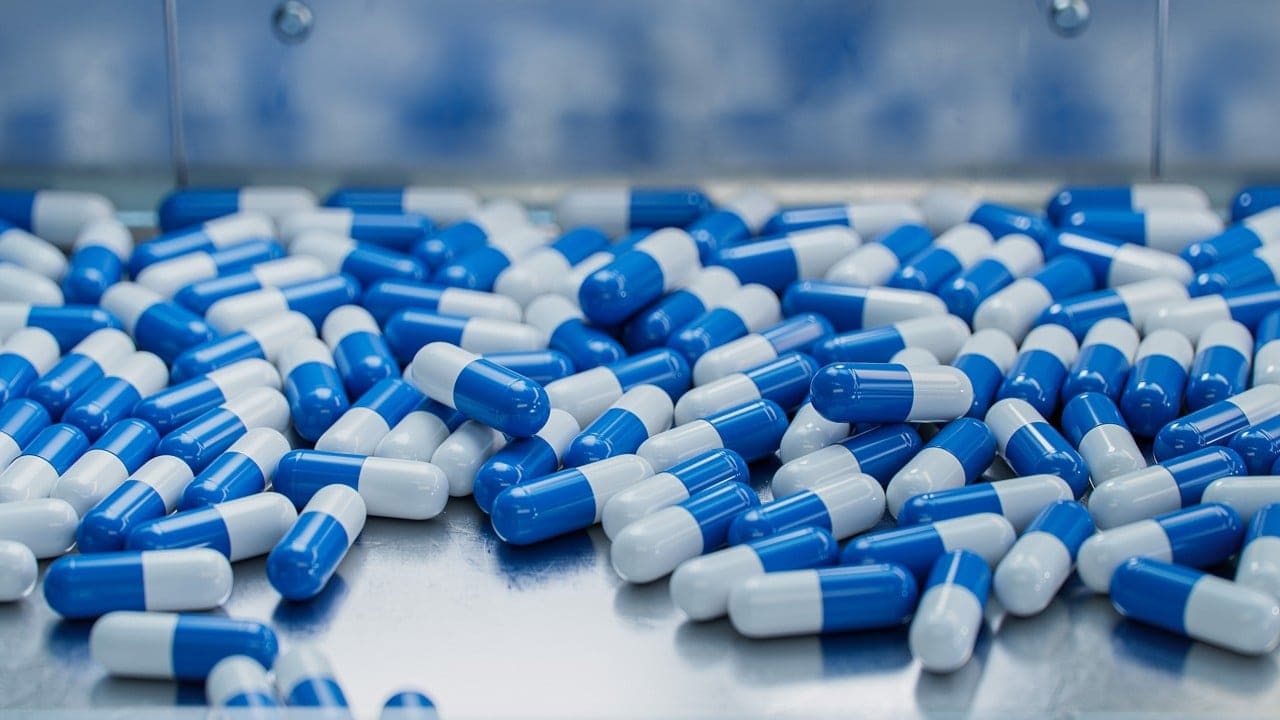
Hong Kong has set an ambitious deadline: transform its pharmaceutical regulatory apparatus into a primary evaluation center by the end of the decade. The initiative centers on securing World Health Organization recognition for the Centre for Medical Products Regulation, a move that would fundamentally alter how drugs reach patients in the city.
Secretary for Health Lo Chung-mau outlined the government's strategy in a recent interview, emphasizing two parallel tracks. The administration is recruiting specialized talent while simultaneously working with mainland Chinese authorities to meet WHO standards. The collaboration reflects Hong Kong's unique position straddling international regulatory frameworks and mainland systems.
For years, the city operated under a secondary evaluation model. Drugs already approved by major regulators - the US Food and Drug Administration, the European Medicines Agency, or similar bodies - received expedited pathways into Hong Kong's market. That approach kept approval timelines short but left the city dependent on decisions made elsewhere.
The Infrastructure Build
The Centre for Medical Products Regulation represents the institutional backbone of the new approach. Achieving WHO recognition requires demonstrating capacity across multiple dimensions: technical expertise, transparent processes, post-market surveillance systems, and independence from commercial interests.
Hong Kong's government has not disclosed the full budget allocated to the transformation, but the talent recruitment drive signals substantial investment. The city faces competition from Singapore, which has spent two decades building the Health Sciences Authority into a respected regional evaluator. Singapore's model - combining local assessment with strategic reliance on trusted foreign decisions - offers a template, though Hong Kong's closer integration with mainland China adds complexity.
The timeline is tight. Building a credible primary evaluation system typically requires years of precedent, published guidelines, and demonstrated consistency. Regulatory agencies gain trust through track records, not announcements. Hong Kong will need to show it can assess novel therapies, manage conflicts of interest, and communicate decisions transparently.
Biotech Ecosystem Implications
The shift carries direct consequences for Hong Kong's life sciences sector. The city has courted biotech firms with tax incentives and streamlined listing rules on the Hong Kong Stock Exchange since 2018. Those measures attracted companies, but regulatory bottlenecks remained. A local drug might complete clinical trials in Hong Kong yet still require approval from a foreign regulator before reaching local patients.
Primary evaluation capability changes that calculus. Companies developing therapies for Asian populations - where genetic factors, disease prevalence, and treatment responses can differ from Western cohorts - could use Hong Kong as a first-approval jurisdiction. That would position the city as more than a capital-raising venue; it would become a genuine development hub.
The pharmaceutical industry watches these developments closely. Novo Nordisk, Roche, and other multinational firms maintain regional offices in Hong Kong but conduct regulatory strategy from Singapore or Shanghai. An independent, WHO-recognized Hong Kong evaluator could redistribute that activity, particularly for products targeting Greater China markets.
Mainland Coordination and Standards
The collaboration with mainland authorities introduces both opportunity and complication. China's National Medical Products Administration has expanded its own capabilities rapidly, approving innovative drugs at a pace that now rivals Western agencies for certain categories. Aligning Hong Kong's standards with mainland practices while maintaining WHO recognition requires careful calibration.
One model under discussion involves mutual recognition agreements, where approvals granted by one jurisdiction receive expedited review in the other. The European Union operates a similar system among member states. For Hong Kong, such an arrangement could provide scale - access to mainland clinical trial data and manufacturing capacity - while preserving the autonomy WHO recognition demands.
The political dimension cannot be ignored. International pharmaceutical companies value Hong Kong partly because its legal and regulatory systems have historically operated independently from mainland structures. Any perception that the Centre for Medical Products Regulation functions as an extension of mainland oversight could undermine confidence, regardless of technical competence.
What Comes Next
The 2030 target leaves limited room for delays. Hong Kong must publish detailed regulatory pathways, recruit and train evaluators, establish advisory committees, and process enough applications to demonstrate capability. Early decisions will be scrutinized intensely; any appearance of political interference or lax standards could derail WHO recognition.
The city's success will likely hinge on transparency. Publishing full assessment reports, disclosing timelines, and explaining rejections builds credibility. Singapore's Health Sciences Authority publishes detailed evaluation summaries; Hong Kong will need similar openness to earn trust from both industry and international regulators.
If Hong Kong achieves its goal, the regional regulatory landscape will shift. Biotech firms will have another primary approval option in Asia, potentially accelerating patient access to new therapies. If the effort stalls, the city risks remaining a financial center for life sciences without the regulatory infrastructure to match its ambitions.
RELATED STORIES
Hong Kong Debuts Robot-Run Convenience Store in Commercial Automation Push
Cheng Wei-Lun · 3 min
China's Social Security Fund Doubles Offshore Holdings to $86 Billion
Jun-ho Seo · 3 min

Shein Drops 4% in Hong Kong Debut as Tariff Pressure Weighs on Valuation
Priyanka V. Rao · 4 min

Hong Kong Wealth Hub Resilient Despite Beijing Investment Restrictions
Cheng Wei-Lun · 3 min
Spot something wrong? Email editor@briefasia.com. We log every correction publicly.